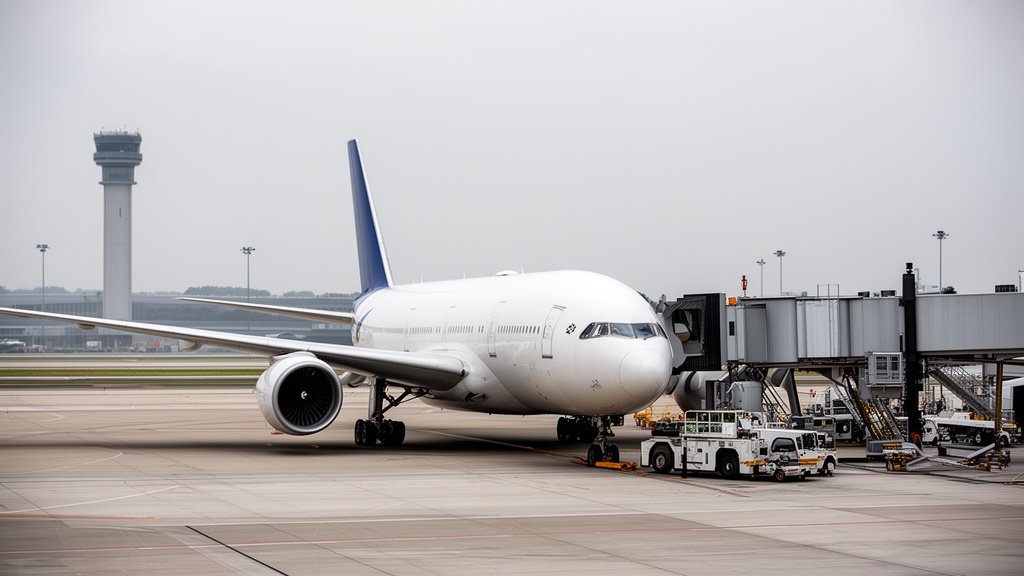
On January 11, 2023, the U.S. aviation landscape ground to a total standstill. For the first time since the September 11, 2001, terrorist attacks, the Federal Aviation Administration (FAA) issued a nationwide ground stop, effectively paralyzing the entire civil aviation network. The crisis, which saw thousands of flights delayed or canceled, exposed the brittle reality of the infrastructure underpinning American air travel. While the immediate chaos disrupted the lives of millions of travelers, the long-term questions regarding system modernization, technical debt, and political accountability continue to shape the industry’s discourse.
Key Highlights
- Historic Halt: The January 2023 event marked the first nationwide ground stop for the FAA since the post-9/11 shutdown, impacting virtually all domestic flights.
- Technical Root Cause: The failure was traced back to a corrupted database file within the Notice to Air Missions (NOTAM) system, preventing the successful synchronization between the primary and backup systems.
- Infrastructure Debate: The incident ignited a firestorm of political debate, with supporters of the previous administration pointing to infrastructure upgrades as a point of contention, while regulators focused on the fragility of antiquated legacy software.
- Systemic Vulnerability: Beyond the immediate fix, the outage highlighted the precarious nature of outdated digital frameworks that rely on decades-old architecture while struggling to integrate modern, high-traffic demands.
Anatomy of a Digital Collapse
The NOTAM System Failure
The heart of the catastrophe lay in the Notice to Air Missions (NOTAM) system. NOTAMs are critical, real-time communications that alert pilots and ground crews to essential safety information, such as runway closures, bird hazards, or GPS anomalies. Without these notifications, it is illegal and unsafe for aircraft to take off or land.
When the system failed, it was not due to a malicious cyberattack or a simple power failure, but rather a cascading failure stemming from a corrupted database file. According to FAA officials, the error occurred during a synchronization process between the primary NOTAM system and its designated backup. The corruption was introduced into both systems, effectively crippling the ability of flight crews to receive safety-critical data. This synchronization error served as a stark reminder of the technical debt present in essential government infrastructure: older systems often struggle to handle the complexity of modern, frequent data updates.
The Political Crossfire: Blame and Modernization
Following the resumption of flight operations, the narrative quickly shifted from technical troubleshooting to political accountability. Critics of the current administration, including prominent voices associated with the Trump administration’s policy era, argued that recent technology upgrades had fundamentally overloaded antiquated systems.
This argument suggests that attempting to patch modern data requirements onto legacy, decades-old code created a “brittle” environment. The contention is that the push for rapid digital modernization may have introduced instability. Conversely, the Department of Transportation and the FAA faced immediate pressure to demonstrate that funding, which had been previously allocated for infrastructure, was being utilized effectively to replace, rather than simply patch, these vulnerable systems. This tension between “upgrading existing infrastructure” and “wholesale system replacement” became a central theme in subsequent congressional hearings.
Historical Context: The 25-Year Benchmark
The 25-year benchmark often cited in relation to this incident refers to the unprecedented duration and scope of the shutdown. While the aviation industry has experienced localized or regionalized ground stops due to weather or technical glitches, a nationwide halt of this magnitude was historically singular.
In the era following 9/11, the U.S. air traffic control system was significantly hardened against external threats. However, the 2023 event demonstrated that the industry’s greatest threat may not be external actors, but internal systemic fragility. The reliance on centralized, legacy data pipelines remains a strategic vulnerability. When one node of the NOTAM system fails to communicate with the next, the entire network—which manages thousands of departures per hour—collapses.
Economic and Logistical Fallout
The economic impact of the hours-long ground stop was immediate and cascading. Airlines faced millions of dollars in losses due to crew scheduling issues, displaced aircraft, and mandatory passenger compensation. Beyond the direct financial hit, the incident forced a reevaluation of “system resilience.” Airports, which typically operate with tight turn-around times, found themselves filled to capacity with stranded travelers, creating a secondary logistical challenge. The incident underscored the need for air traffic control systems that possess decentralized fail-safes, allowing regional hubs to operate even if a central national system experiences a localized failure.
FAQ: People Also Ask
Q: Was the 2023 FAA outage a cyberattack?
A: No, federal officials investigated the incident and found no evidence of a cyberattack or malicious intent. The FAA attributed the ground stop to a corrupted database file that impacted the synchronization of the NOTAM system.
Q: Why was the NOTAM system so fragile?
A: The NOTAM system relies on aging infrastructure that has undergone various updates and patches over decades. The failure occurred when the synchronization process between the primary and backup systems failed due to data corruption, highlighting the difficulty of maintaining complex, legacy-integrated software.
Q: What has been done to prevent a recurrence?
A: The FAA has prioritized the modernization of the NOTAM system, moving toward a more resilient, cloud-based, and redundant architecture. The incident spurred significant funding debates in Congress regarding the necessity of a complete digital overhaul of U.S. air traffic control technology.
Q: How does this compare to other aviation delays?
A: While airlines frequently delay flights due to weather or localized equipment issues, a total nationwide ground stop is rare. This event was unique in the last 25 years because it effectively halted the entire commercial aviation ecosystem simultaneously due to a single point of failure in the FAA’s internal data network.