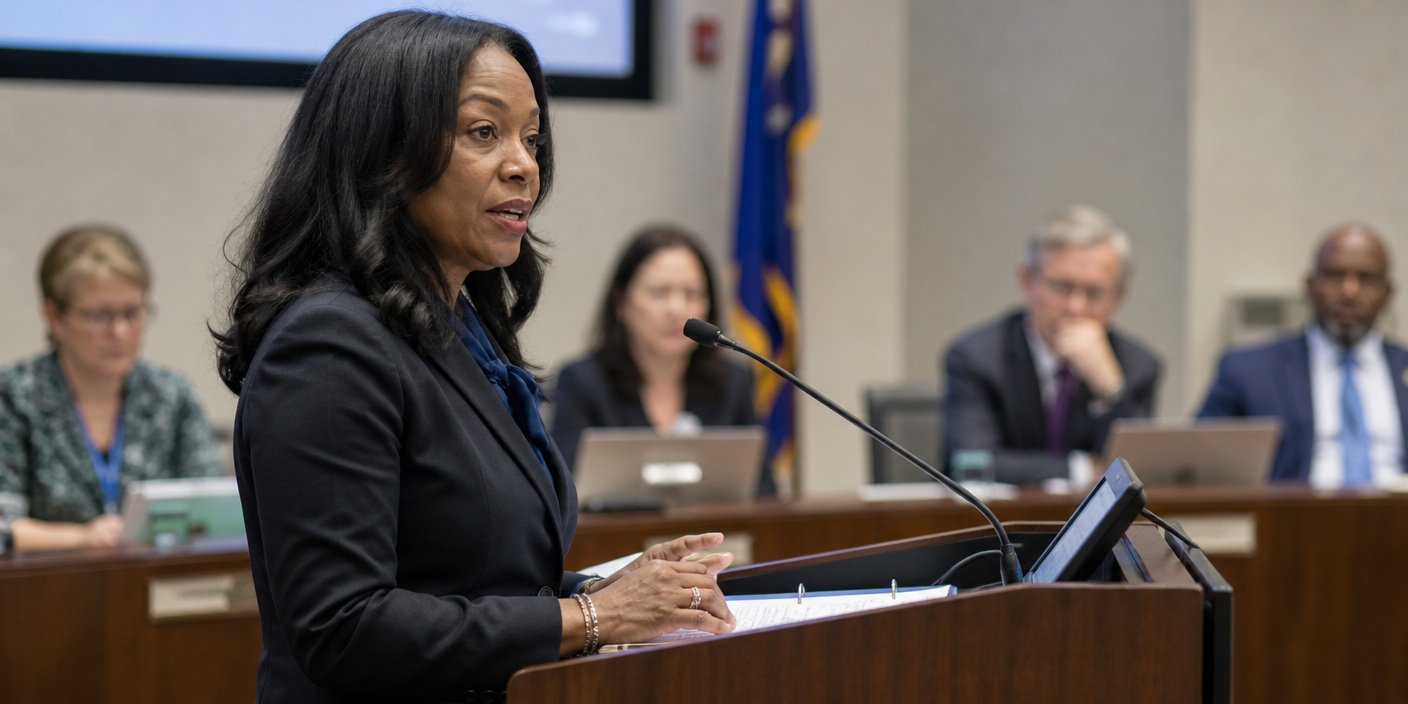
Portland Public Schools (PPS) Superintendent Kimberlee Armstrong has formally presented a revised plan to the Board of Education, recommending the closure of 10 elementary schools over a two-year period. This announcement marks a significant pivot from earlier, more aggressive proposals that had considered closing as many as 14 schools across the district. As the community braces for the final decision, the upcoming December 15 board vote has become the central focus for parents, teachers, and administrators alike.
The Shift in Strategy: From 14 to 10
The revision from the initial proposal of 14 school closures to the current recommendation of 10 reflects a complex balancing act between fiscal necessity and community stability. Superintendent Armstrong’s office has spent the preceding months analyzing district demographics, facility maintenance costs, and educational equity outcomes. By narrowing the scope of the closures, district leadership appears to be attempting to mitigate the disruption to neighborhood cohesion while still addressing the stark reality of the district’s declining student population.
This adjustment is not merely a reduction in numbers; it signals a recalibration of the district’s long-term facility usage strategy. The original proposal drew substantial pushback from parent-teacher organizations and neighborhood associations, many of whom argued that the closures would disproportionately affect vulnerable communities and dismantle the social fabric of local school zones. The revised plan, while still painful for affected families, suggests that the administration has listened to community feedback, attempting to preserve a larger footprint than initially feared.
Analyzing the Demographic Drivers
The fundamental driver behind these recommendations is the steady decline in enrollment across the Portland Public Schools district. Over the past decade, shifting demographics, lower birth rates in urban centers, and the migration of families to suburban areas have left many PPS facilities under-utilized. Schools designed to host hundreds of students are now operating with significantly smaller cohorts, creating inefficiencies in resource allocation.
When a school operates with low enrollment, the cost per student to maintain the facility—including utilities, staffing for specialized roles, and general upkeep—skyrockets. The district’s current budgetary model relies on maintaining optimal classroom sizes to secure state funding and local tax levies. When these thresholds are not met, the district is forced to spread resources thin, potentially compromising the quality of specialized education, extracurricular offerings, and student support services across the entire system. Closing schools is a harsh mechanism to consolidate these resources, ensuring that the remaining buildings are fully funded, staffed, and equipped to provide a robust educational experience.
Operational Realities and Facility Costs
Beyond the raw enrollment numbers, the physical state of the district’s aging infrastructure plays a critical role. Many of the buildings currently under consideration for closure require extensive, multi-million dollar seismic upgrades, lead abatement, and general renovation. In an era of tightening budget constraints, the district faces a binary choice: either sink limited capital funds into crumbling facilities with shrinking student bodies or consolidate resources into newer or modernized buildings that can serve more children effectively.
This is a classic ‘deferred maintenance’ trap that many urban school districts across the United States are currently facing. Superintendent Armstrong’s recommendation is rooted in the belief that the district cannot afford to maintain an excessive number of physical locations while simultaneously attempting to raise teacher pay, reduce classroom sizes, and implement new pedagogical technologies. The consolidation is intended to create a more efficient operational footprint, allowing the district to focus its capital improvement budget on buildings that will remain the bedrock of the district’s future.
The Road to December 15
The period leading up to the December 15 board vote is set to be one of the most intense in the district’s recent history. For parents and stakeholders, this timeline provides a brief window to advocate for their specific schools, though the momentum seems heavily weighted toward the Superintendent’s data-driven recommendations. The PPS Board of Education will have the final say, and their vote will carry long-term implications for the geographical distribution of students and the overall culture of Portland’s public education system.
Board members must now weigh the administrative arguments for fiscal efficiency against the passionate pleas of families who view their local school as the heart of their community. If the proposal is approved, the district will immediately enter the implementation phase, which involves logistical planning for student reassignment, staff transitions, and the eventual repurposing or sale of closed properties. The next two years will be defined by this transition, testing the district’s ability to manage change while maintaining the trust of the families it serves.
FAQ: People Also Ask
Why did the district decrease the number of proposed closures from 14 to 10?
Superintendent Armstrong’s revision reflects a response to community concerns and a re-evaluation of facility utilization data. The administration sought to balance the urgent need for fiscal consolidation with the desire to maintain neighborhood-level schooling where feasible.
When will the final vote take place?
The PPS Board of Education is scheduled to vote on the recommendation for the 10-school closure plan on December 15.
How will student assignments change if these closures are approved?
If the closures are approved, the district will initiate a transition plan over the next two years. This process typically involves boundary adjustments, ensuring that students from closed schools are integrated into nearby facilities with sufficient capacity to accommodate them.
What are the main factors driving these closures?
The primary drivers are declining enrollment figures, high per-pupil maintenance costs for underutilized buildings, and the need to allocate limited capital funds toward modernizing core facilities rather than maintaining older, empty schools.