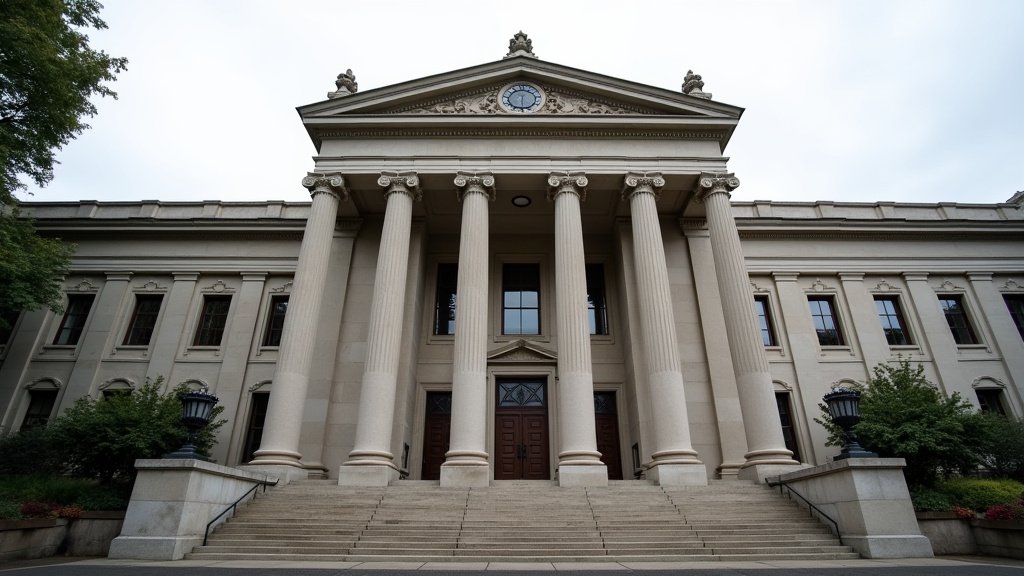
The Oregon Supreme Court has officially calendared oral arguments to address a significant legal challenge surrounding Measure 120, the voter-approved initiative that has become a flashpoint for constitutional and fiscal debate. Following its success in the recent primary election, the measure, which dictates specific funding allocations for state-wide programs, has been met with immediate resistance from powerful business organizations. These groups argue that the funding mechanisms authorized by the measure run contrary to established legislative constraints and the Oregon State Constitution. The upcoming judicial review will determine not only the immediate fiscal trajectory of the programs supported by Measure 120 but will also set a crucial precedent regarding the extent to which initiative-based funding can override traditional legislative budget-setting powers.
Key Highlights
- Judicial Review Initiated: The Oregon Supreme Court has scheduled oral arguments to resolve a legal challenge to the funding structure of the recently passed Measure 120.
- Opposition by Industry: State business groups, citing concerns over long-term fiscal sustainability and constitutional compliance, are leading the challenge against the measure.
- Constitutional Scrutiny: Central to the case is whether the initiative’s funding mandates violate the separation of powers or specific revenue-raising limitations outlined in Oregon state law.
- Wide-Ranging Impact: A decision by the Court could force a significant recalibration of the state’s budgetary priorities and potentially alter the legal landscape for future citizen-led initiatives.
Unraveling the Legal and Constitutional Conflict
The core of the current legal battle over Measure 120 lies in the complex intersection of the citizen initiative process and the constitutional oversight of public finance. While Oregon’s initiative system is designed to provide voters with a direct pathway to legislate, the mechanisms used to fund these new mandates often collide with existing tax statutes and revenue-raising authorities held by the state legislature. The business groups challenging Measure 120 have built their case on the premise that the measure improperly delegates or constrains revenue authority in a way that bypasses the statutory oversight necessary for sound fiscal management.
Plaintiffs argue that while the policy goals of Measure 120 may have received public approval, the specific method used to capitalize the program creates an inflexible, non-legislative budget requirement. This, they contend, undermines the state’s ability to adjust to economic volatility and ignores the checks and balances integral to the constitutional framework. Conversely, proponents of the measure argue that the will of the voters is paramount and that the funding mechanism was specifically designed to be self-sustaining, thus insulating the program from the political posturing and potential defunding that often plagues legislative appropriations.
The Role of Business Lobbies in Oregon Policy
The intervention of Oregon’s business community in this matter highlights a recurring tension within the state’s political ecosystem. Industry associations often view these legal challenges as a necessary line of defense against what they perceive as unpredictable and costly ballot measures that lack the rigorous fiscal impact analysis typically required during the legislative session. By bringing this case to the Supreme Court, these groups are attempting to establish a higher bar for how ballot initiatives must structure their financial backing.
For the court, the challenge is twofold: they must respect the democratic process while strictly interpreting the constitutional limits on how public money is generated and spent. This case is not merely about the specific dollars attached to Measure 120; it is about the structural integrity of Oregon’s revenue-collection protocols. The outcome will likely influence how future advocacy groups draft their initiatives, potentially leading to more rigorous financial modeling during the signature-gathering phase to avoid similar legal traps.
Fiscal Implications and Future Uncertainty
Should the Supreme Court find in favor of the plaintiffs, the immediate fallout would create a complex fiscal puzzle for the Oregon State Legislature. If the current funding mechanism is deemed unconstitutional, the programs intended to be supported by Measure 120 would be left in limbo. Lawmakers would then be tasked with identifying alternative revenue streams or fundamentally restructuring the program’s operations to align with the Court’s ruling. This process could lead to a legislative scramble, potentially requiring a special session to address the budgetary shortfalls left in the measure’s wake.
Conversely, a ruling upholding the funding mechanism would solidify the power of ballot initiatives to dictate long-term fiscal policy. This would likely embolden advocacy groups to pursue even more ambitious, revenue-dependent initiatives, knowing that the judiciary has provided a roadmap for creating legally resilient funding models. The ruling will serve as a bellwether for the state’s economic governance, effectively determining whether the power of the purse remains primarily with the legislature or can be effectively transferred to the ballot box.
FAQ: People Also Ask
1. What is the main argument against Measure 120?
Business groups argue that the measure’s funding mechanism creates a non-legislative mandate that violates constitutional revenue-raising constraints and prevents necessary fiscal flexibility.
2. When will the Oregon Supreme Court hear the case?
Oral arguments have been scheduled by the Court to address the challenge, following the initiative’s passage in the recent primary election.
3. What happens if the court rules against the funding mechanism?
If the court finds the funding unconstitutional, the legislature would need to intervene to find alternative revenue sources or restructure the program’s requirements to ensure legal compliance.
4. Is this the first time Oregon has faced such a challenge?
Oregon has a long history of legal challenges against ballot measures involving funding, reflecting a persistent tension between direct democracy and legislative budget authority.