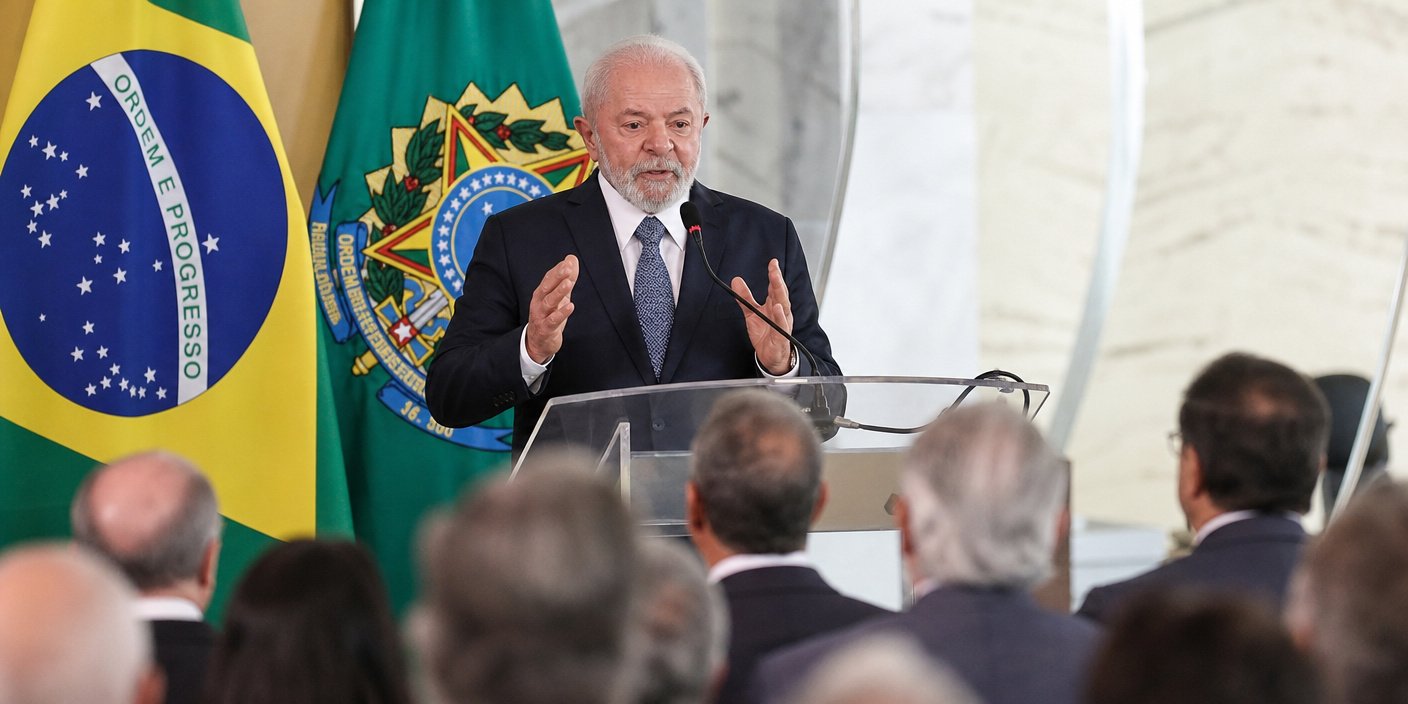
The October 30, 2022, presidential election in Brazil marked a definitive turning point for the nation, as Luiz Inácio Lula da Silva emerged victorious in a high-stakes runoff against incumbent Jair Bolsonaro. The results, finalized after an intense campaign season, saw Lula secure 50.9% of the vote compared to Bolsonaro’s 49.1%. This razor-thin margin—a difference of approximately 2.1 million votes—highlighted the profound ideological chasm that defined the national discourse, pitting the left-wing Workers’ Party (PT) against the right-wing Liberal Party (PL) in a contest that captured the attention of the global community.
Key Highlights
- Final Tally: Luiz Inácio Lula da Silva won 50.9% of the valid votes, while Jair Bolsonaro received 49.1%.
- Turnout: Over 124 million Brazilians cast their ballots, reflecting massive civic engagement despite record levels of polarization.
- The Margin: The victory was the narrowest in the history of Brazil’s modern democratic presidential elections, underscoring the deep societal divides.
- Institutional Role: The Supreme Federal Court (STF) played a critical role in maintaining electoral integrity and combating misinformation throughout the cycle.
The Battle for the Soul of Brazil
The 2022 presidential election was not merely a contest between two political figures; it was a referendum on the direction of the Brazilian state. For millions of voters, the choice was between the return of the social welfare policies synonymous with the ‘Lula era’ of the 2000s and the continuation of the nationalist, conservative agenda championed by Jair Bolsonaro. The election cycle was defined by a surge in digital disinformation, fierce rhetoric, and a heightened awareness of the fragility of democratic institutions in Latin America’s largest economy.
The Polarization of a Nation
Brazil’s electorate appeared split into two distinct, often incompatible, realities. The geography of the vote revealed a stark divide: Lula found his strongest support in the impoverished Northeast and among lower-income demographics who benefited from social programs like ‘Bolsa Família’ during his previous terms (2003–2010). Conversely, Bolsonaro galvanized his base in the wealthier, more industrialized South and Southeast, as well as among the evangelical Christian community, rural agricultural sectors, and proponents of law-and-order rhetoric.
This demographic split created a nation where citizens were not just voting for different policies but for different visions of Brazilian identity. The campaign was characterized by personal attacks, with supporters of both camps expressing deep fear regarding what a victory for the opposition would mean for the country’s stability. For the Lula camp, the primary concern was the erosion of democratic norms and environmental protections in the Amazon; for the Bolsonaro camp, the fear was that a return to PT governance would result in economic mismanagement and a slide toward authoritarianism.
The Return of Luiz Inácio Lula da Silva
Lula’s victory marked an unprecedented political comeback. Having served two terms as president previously, he had been imprisoned in 2018 on corruption charges—convictions that were later annulled by the Supreme Federal Court (STF) in 2021, citing jurisdictional bias and legal irregularities. His victory was positioned as a validation of his legacy and a mandate to tackle poverty, hunger, and environmental degradation.
Upon winning, Lula faced the daunting task of reconciling a divided nation. His primary economic agenda centered on strengthening the public sector, raising the minimum wage, and implementing ‘Fome Zero’ (Zero Hunger) style policies. However, the economic reality facing Brazil was far more constrained than during his first presidency, as high inflation, stagnant growth, and global economic headwinds created a significantly more challenging environment for social spending.
Bolsonaro’s Legacy and the Right-Wing Movement
Although Jair Bolsonaro lost the election, his performance was arguably more impressive than pre-election polls had predicted. With 49.1% of the vote, he cemented his status as a permanent force in Brazilian politics. His brand of conservatism—frequently referred to as ‘Bolsonarismo’—remains a powerful ideology among a significant portion of the population. This movement prioritizes national sovereignty, family values, and skepticism toward mainstream media and international institutions.
Bolsonaro’s legacy includes a significant transformation of the Brazilian right. Before his rise, the right was fragmented; under his leadership, it became a disciplined, mobilized, and tech-savvy political force. Even in defeat, the Liberal Party maintained a significant presence in Congress, ensuring that the new administration would face fierce opposition when attempting to pass legislation.
Institutional Stability and Democracy
The role of the judiciary during this election cannot be overstated. The Supreme Federal Court (STF) and the Superior Electoral Court (TSE) faced unprecedented pressure, managing the constant threat of disinformation campaigns that sought to undermine trust in the electronic voting system. By resisting these pressures and ensuring the transparency of the count, the Brazilian electoral authorities reinforced the resilience of the nation’s democratic institutions. The transition of power, while tense, served as a stress test for the Constitution of 1988, proving that the established systems of governance remained the final arbiter of political disputes in Brazil.
FAQ: People Also Ask
1. What was the exact percentage spread between Lula and Bolsonaro?
Lula da Silva secured 50.9% of the vote, while Jair Bolsonaro secured 49.1%. This 1.8 percentage point difference represents the tightest margin in the history of Brazil’s modern presidential elections.
2. What role did the Brazilian Supreme Court play in the election?
The Supreme Federal Court (STF) and the Superior Electoral Court (TSE) were pivotal in upholding the integrity of the electronic voting machines, actively countering disinformation campaigns, and ensuring the final election results were certified against attempts to disrupt the democratic process.
3. What does ‘Bolsonarismo’ represent in modern Brazilian politics?
‘Bolsonarismo’ refers to the right-wing populist movement cultivated by Jair Bolsonaro. It emphasizes conservative Christian values, skepticism of globalist institutions, a strong focus on law-and-order policies, and an aggressive, digitally-focused style of political engagement that continues to hold significant sway over nearly half of the electorate.
4. What are the biggest challenges facing the administration post-election?
The administration faces severe economic constraints, including high inflation and high unemployment, alongside a fragmented Congress where the opposition holds significant power, making it difficult to pass ambitious social reform legislation without extensive negotiation.