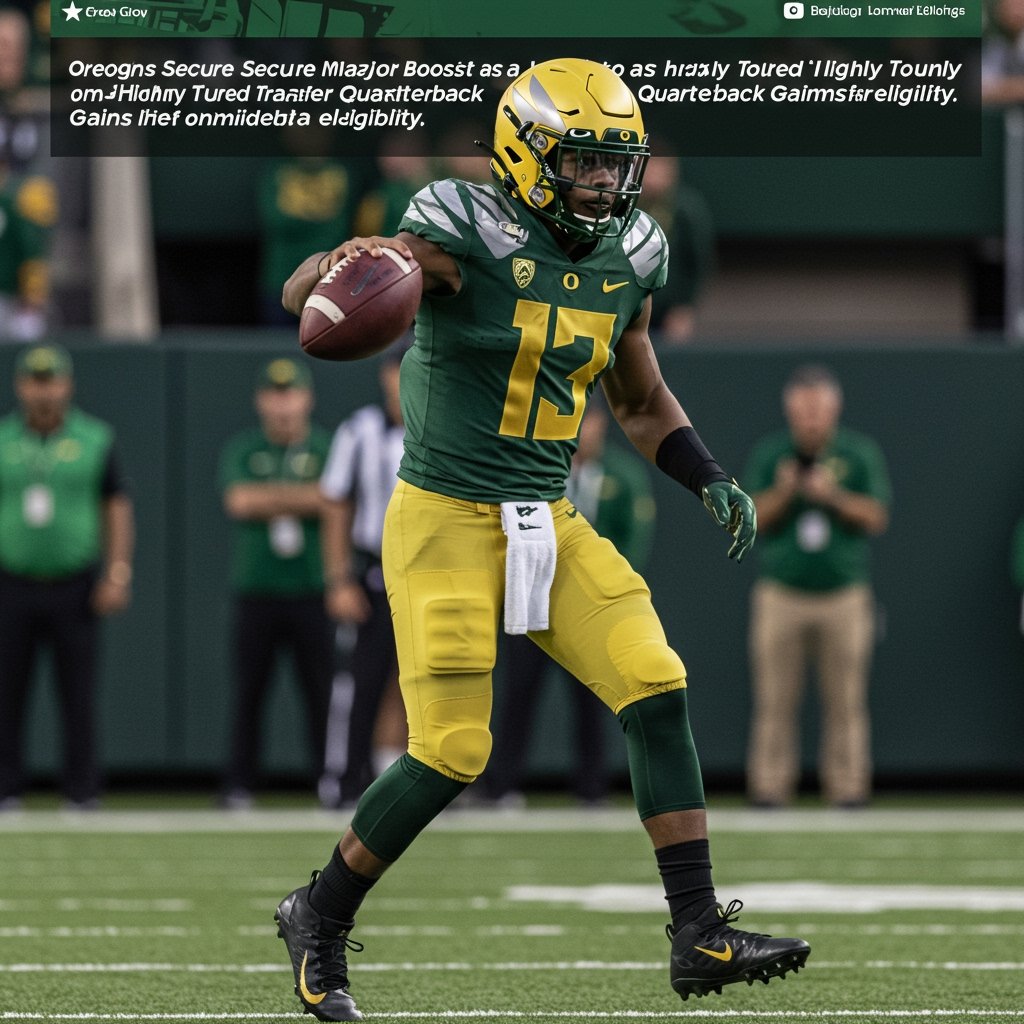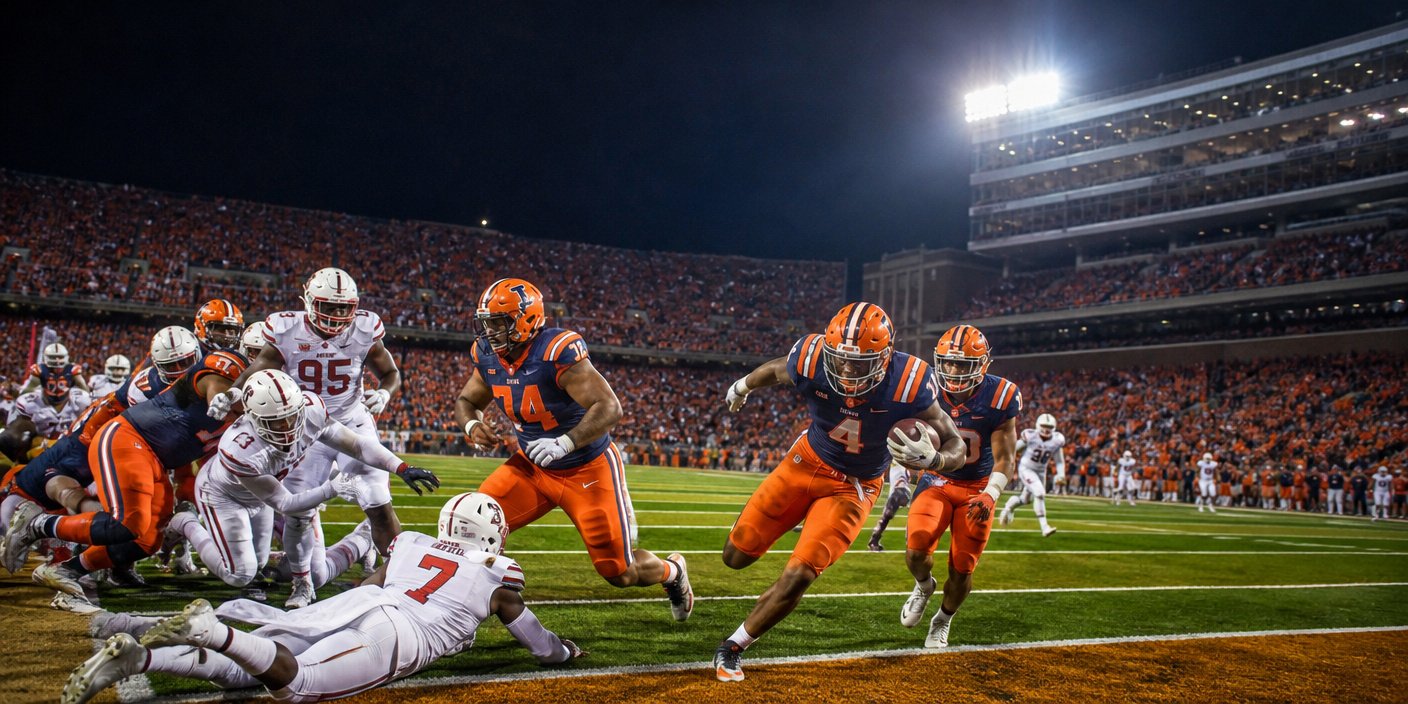
In an electrifying night at Memorial Stadium, the Illinois Fighting Illini secured a landmark 21-10 victory over the Oregon Ducks on October 24, 2026, effectively dismantling the Ducks’ reputation as an impenetrable force on the road in Big Ten conference play. The game, defined by resilient defensive adjustments and a clinical second-half offensive surge, saw the Illini score 21 unanswered points to overturn an early deficit, leaving the visiting Oregon squad scrambling for answers in a hostile environment.
Key Highlights
- Decisive Turnaround: After trailing early, Illinois rallied with 21 unanswered points to seal a 21-10 upset victory over the Oregon Ducks.
- Offensive Leaders: Aidan Laughery and Collin Dixon emerged as the game’s primary catalysts, both recording critical touchdowns that shifted the momentum firmly in favor of the Illini.
- Defensive Masterclass: The Illinois defense successfully stifled the Oregon attack, holding the Ducks to just 10 points—a stark departure from Oregon’s high-scoring offensive identity.
- Conference Implications: The loss marks a significant blow to Oregon’s previously undefeated road record in conference play, tightening the Big Ten standings and boosting Illinois’ playoff resume.
The Champaign Upset: Tactical Breakdown and Game Narrative
The Anatomy of the Rally
The game began as a testament to Oregon’s ability to control tempo, with the Ducks establishing an early lead that suggested a routine conference victory. However, the narrative shifted rapidly in the second quarter. The Illinois coaching staff, demonstrating elite situational awareness, transitioned into a high-tempo offensive scheme that exploited gaps in the Oregon perimeter defense. The turning point arrived when Aidan Laughery broke free for a touchdown, a play that served as a psychological catalyst for the Illini sideline. It wasn’t just the score; it was the method. Laughery’s ability to find seams in the secondary neutralized the Ducks’ aggressive pass rush, forcing the Oregon defensive coordinators to reconsider their blitz-heavy approach.
As the stadium energy intensified, Collin Dixon solidified his status as a go-to target in the red zone. Dixon’s touchdown reception was a masterclass in route running, showcasing the synchronization between the Illinois quarterback and his receiving corps. By the fourth quarter, the Illinois offense had achieved a level of rhythm that Oregon simply could not disrupt. The execution was surgical, characterized by high-percentage passes and clock-draining runs that limited Oregon’s opportunities to mount a meaningful comeback. The ability of the Illini offensive line to win the trenches in the second half proved to be the decisive factor, allowing the team to maintain possession and dictate the speed of the game.
Defensive Fortress: Stifling the Ducks
While the offense provided the points, the Illinois defensive unit delivered the victory. Entering the game, Oregon’s offense was statistically among the most efficient in the nation, frequently putting up 30-plus points against high-caliber opponents. Yet, on this October night, they were systematically dismantled. The Illinois defensive scheme focused on bracket coverage, effectively taking Oregon’s primary receiving threats out of the equation. By prioritizing the middle of the field and forcing the Ducks to settle for contested sideline throws, Illinois successfully limited explosive plays.
Specific attention must be paid to the Illinois front seven. Their ability to disrupt the backfield forced hurried throws and critical turnovers that kept the momentum firmly in Champaign. The defensive discipline displayed—avoiding costly penalties and maintaining gap integrity—was a hallmark of a team prepared for an elite-level opponent. Holding a team of Oregon’s caliber to double-digit scoring is a testament to the preparation and physical conditioning of the Fighting Illini, signaling a shift in the hierarchy of the Big Ten. This performance will likely be analyzed as a blueprint for how to defend the Ducks’ multifaceted spread offense for the remainder of the season.
Big Ten Parity and Future Projections
The ramifications of this result extend well beyond the final whistle. With this win, Illinois cements its position as a legitimate contender within the Big Ten, forcing the national committee to reassess their standing in the playoff conversation. The loss for Oregon is more than a mere statistical blemish; it strips away the aura of invincibility that the team carried into conference play. For the remainder of the 2026 season, Oregon will now face intense scrutiny regarding their ability to adapt to physical, defensive-minded opponents who are willing to grind out a win at the line of scrimmage.
Looking ahead, the victory provides Illinois with a vital boost in confidence and national recognition. The win over a premier opponent like Oregon is the exact type of resume-builder that can influence seeding and postseason placement. Conversely, Oregon must now navigate a narrow path for the rest of their schedule. The Big Ten has once again proven its depth and volatility; any given Saturday, the landscape can shift based on execution and tactical discipline. The 21-10 scoreline will be remembered as the moment the 2026 conference race became a true scramble, with parity once again reigning supreme.
FAQ: People Also Ask
Q: What was the final score of the Illinois vs. Oregon game?
A: The final score was Illinois 21, Oregon 10. The Illini staged a significant comeback to hold the Ducks to just 10 points.
Q: Who were the key scorers for Illinois in this victory?
A: Aidan Laughery and Collin Dixon were the key scorers for Illinois, both finding the end zone to secure the victory.
Q: When did this game take place?
A: The game took place on October 24, 2026, during the Big Ten regular season.
Q: Why is this result considered a significant upset?
A: It was considered an upset because Oregon entered the game undefeated on the road in conference play and was widely favored to control the game against Illinois.