Today, November 14, 2026, the Confederated Tribes of Siletz Indians are transforming Lincoln City into a vibrant epicenter of Indigenous culture and historic commemoration. The 49th Annual Restoration Pow-Wow stands as a testament to nearly half a century of resilience, marking the anniversary of the Siletz Restoration Act of 1977. This event is not merely a social gathering; it is a profound declaration of identity, sovereignty, and the enduring survival of the Siletz people against the historical tide of federal termination policies.
A Legacy Reclaimed: From Termination to Restoration
To understand the magnitude of today’s gathering, one must look back at the dark period known as the ‘Termination Era.’ In 1954, the federal government passed the Western Oregon Indian Termination Act, which unilaterally stripped the Siletz and many other tribes of their legal status, essentially declaring them non-existent in the eyes of federal law. This policy decimated the tribe’s ability to protect its lands, resources, and cultural rights.
However, the spirit of the Siletz people could not be terminated. For over two decades, tribal leaders organized, lobbied, and persisted, culminating in the 1977 Siletz Restoration Act. This landmark legislation, signed into law on November 18, 1977—but celebrated annually around this date—was one of the first successful examples of a tribe reversing federal termination. The 49th Annual Restoration Pow-Wow is the direct fruit of that struggle. It serves as a living museum, ensuring that the younger generations understand that their status as a federally recognized tribe was hard-won and must be protected with the same ferocity that their ancestors employed.
The Heartbeat of the Nation: Cultural Traditions and Regalia
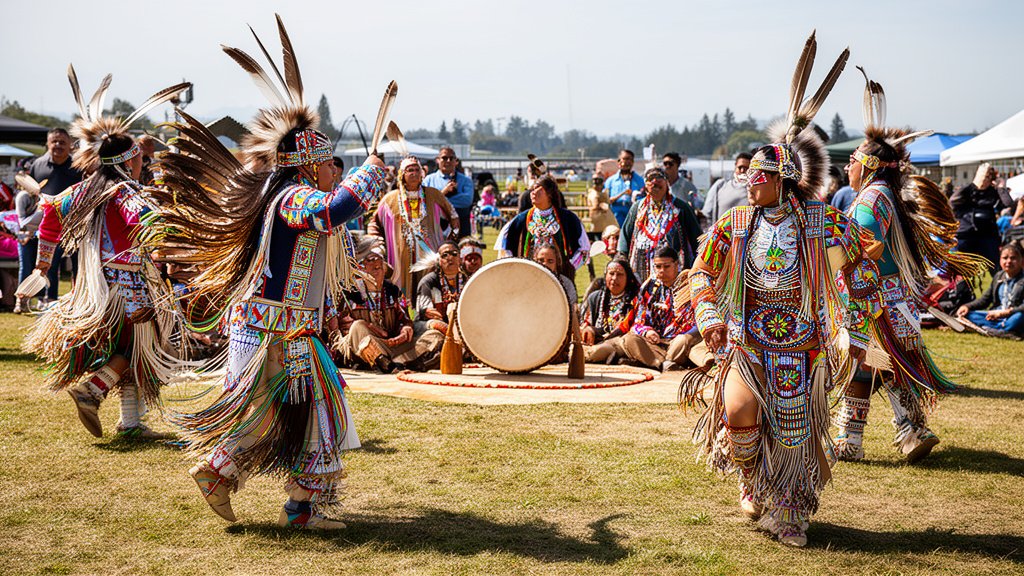
The atmosphere in Lincoln City today is defined by the rhythmic heartbeat of the drum circle, often described as the ‘heartbeat of the people.’ Participants from various tribal nations have gathered to engage in traditional dance, showcasing intricate regalia that tells personal and ancestral stories. Each piece of beadwork, every feather, and the specific patterns in the fabric are not mere costumes; they are sacred items handed down through families, symbolizing status, spiritual beliefs, and tribal affiliations.
The Pow-Wow serves as a vital venue for the transmission of knowledge. Elders pass down oral histories, traditional songs, and the protocols of the dance floor to the youth. In an era where digital distractions are ubiquitous, the Pow-Wow remains a radical act of analog preservation. It forces the community to slow down, listen to the drum, and synchronize their movements with the shared history of the Confederated Tribes of Siletz Indians. Visitors to the event are witnessing the living continuity of a culture that the government once sought to erase.
Strengthening the Civic Fabric in Lincoln City
The partnership between the Confederated Tribes of Siletz Indians and the city of Lincoln City is a cornerstone of this event’s success. The local community has embraced the Pow-Wow, recognizing it as a major cultural anchor for the Oregon Coast. This synergy highlights the economic and social integration of the tribe within the broader region. The event draws attendees from across the Pacific Northwest, creating a significant boost for local hospitality, while also fostering a deeper understanding between Indigenous and non-Indigenous residents.
By inviting the public to witness these traditions, the tribe is effectively engaging in a form of cultural diplomacy. It bridges the gap between historical ignorance and modern appreciation. When local schools, businesses, and tourists participate, they are participating in a reconciliation process that is as much about the present as it is about the past. The Pow-Wow transforms public spaces into sacred ground, reminding all who attend that the land they stand on has an ancient, unbroken history.
The Road to 50: Looking Toward the Golden Anniversary
As the tribe celebrates its 49th year, there is a palpable sense of anticipation for next year’s 50th-anniversary celebration. The upcoming golden anniversary will be a landmark moment, not just for the Siletz, but for the entire movement of tribal restoration in the United States. It represents half a century of successfully exercising sovereignty, managing self-governance, and building a sustainable future.
Today’s event sets the tone for that milestone. It is a moment for reflection on the sacrifices made by the ‘termination survivors’ who fought for the restoration, and a moment to celebrate the success of the modern tribe as a robust government and economic power. The 49th Annual Restoration Pow-Wow is a powerful reminder that while policies can be legislated, identity and culture remain resilient against the constraints of time.
FAQ: People Also Ask
What is the primary purpose of the Siletz Restoration Pow-Wow?
The primary purpose is to commemorate the restoration of federal recognition for the Confederated Tribes of Siletz Indians, which was achieved via the Siletz Restoration Act in 1977. It celebrates the tribe’s sovereignty, cultural survival, and community heritage.
Can the general public attend the Restoration Pow-Wow?
Yes, the event is designed to be an inclusive gathering. The tribe welcomes the public to experience Indigenous traditions, including dance, drumming, and food, as a way to build cross-cultural understanding.
Why is this the ’49th’ anniversary?
The event marks 49 years since the tribe regained its federal status in 1977. This creates a countdown to the upcoming 50th-anniversary celebration, which will mark a half-century of restored sovereignty.
What does ‘restoration’ mean in the context of Siletz history?
‘Restoration’ refers to the legal process of regaining federal status after a tribe was ‘terminated’ by the U.S. government in the mid-20th century. Termination stripped tribes of their rights, land protections, and legal recognition, making the restoration movement a critical fight for human rights and tribal survival.