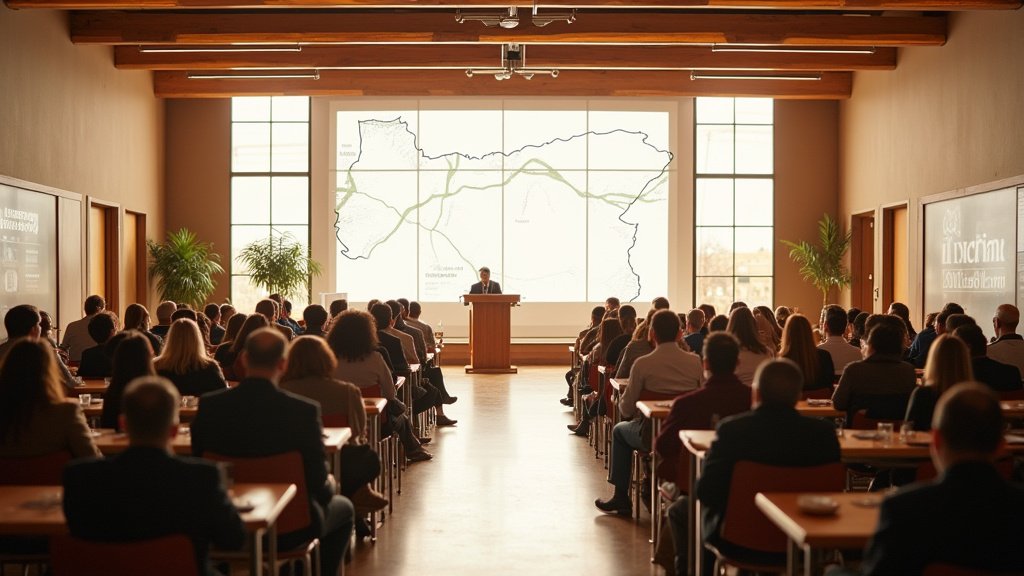
The 2026 Oregon Outdoor Recreation Summit drew to a close today, October 24, in Ashland, Oregon, marking a pivotal three-day convergence of policy makers, industry titans, and conservationists. The gathering served as a strategic forum for stakeholders to dissect the trajectory of the state’s outdoor economy, prioritizing a delicate balance between aggressive tourism growth and the imperative of sustainable land stewardship. As Oregon continues to leverage its natural assets as a core economic driver, the summit provided the necessary platform to align diverse interests—from the Pacific Crest Trail Association to regional tourism boards—under a unified vision for a more resilient, accessible outdoor future.
Key Highlights
- Regenerative Economics: Industry leaders prioritized shifting from mere visitor volume to high-value, sustainable tourism models that benefit local communities.
- Universal Access: New initiatives were unveiled to remove barriers for underrepresented groups, focusing on adaptive trail infrastructure and expanded outdoor programs.
- Public-Private Partnerships: Discussions centered on increased funding for the Oregon Parks and Recreation Department (OPRD) through enhanced cross-sector collaboration.
- Climate Resilience: A comprehensive roadmap was drafted to address the impact of climate change on recreation hubs, emphasizing preventative land management.
Navigating the Future of Oregon’s Outdoor Economy
The Economic Catalyst: Beyond the Visitor Count
For decades, the standard metric for success in the outdoor sector was the sheer volume of visitors. However, the 2026 summit signaled a distinct pivot. Attendees argued that a “volume-first” approach risks degrading the very environment that attracts tourists. Instead, the discourse shifted toward “regenerative tourism,” a concept where visitor spending is directly reinvested into the maintenance and improvement of public lands. Data presented during the keynote sessions highlighted that tourists who engage with conservation-minded activities contribute 22% more to local economies than casual day-trippers. This shift is not merely philosophical; it is a pragmatic strategy to ensure that Oregon remains a premier destination for decades to come, rather than succumbing to the degradation often seen in over-touristed regions.
Bridging the Accessibility Gap: A More Inclusive Outdoors
Perhaps the most compelling track at this year’s summit involved the concerted effort to dismantle systemic barriers to outdoor access. The Oregon Outdoor Recreation Industry Office facilitated panels involving inclusivity advocates who successfully argued that the state’s natural bounty must be accessible to all, regardless of physical ability or socioeconomic status. The proposed “Accessibility First” mandate aims to ensure that 40% of all newly developed trailheads and park facilities in Oregon include universal design features—such as high-traction, graded pathways and adaptive equipment rentals—by 2030. This initiative is expected to draw a new demographic of visitors, expanding the market share for outdoor retailers and gear manufacturers while fostering a more equitable state culture.
Sustainable Infrastructure and Climate Stewardship
The intersection of recreation and climate change formed the technical backbone of the summit’s policy discussions. With Southern Oregon facing increasing threats from fire risk and erratic weather patterns, the summit introduced a proactive “Climate-Ready Recreation” framework. This plan advocates for the integration of real-time environmental data into visitor management systems. By utilizing predictive analytics, park managers can dynamically adjust traffic flow during high-risk fire periods, protecting both the land and public safety. Moreover, significant discussions were held regarding the electrification of outdoor logistics, with a proposed plan to install EV charging networks at major trailhead hubs, further cementing Oregon’s reputation as a pioneer in green infrastructure.
The Legislative Landscape and Funding
Policy leaders emphasized that the ambitious goals set during this three-day summit require sustained legislative support. Collaboration between the Oregon Parks and Recreation Department and local municipalities is critical. Speakers addressed the current budgetary constraints facing state parks and proposed a diversified revenue stream model, incorporating voluntary “stewardship fees” alongside public funding. This dual-funding approach, they argued, would insulate the park system from economic downturns and ensure that maintenance crews have the resources necessary to manage the increasing density of trail users. The summit concluded with a unified commitment to present a comprehensive outdoor reform package to the state legislature by the first quarter of 2027, ensuring that the momentum generated in Ashland translates into tangible state-level action.
FAQ: People Also Ask
Q: What was the primary focus of the 2026 Oregon Outdoor Recreation Summit?
A: The primary focus was aligning the outdoor recreation industry with sustainable practices, improving accessibility for all, and identifying long-term strategies for economic stability within the state’s tourism sector.
Q: Where was the summit held and who attended?
A: The summit took place in Ashland, Oregon. Attendees included a diverse mix of government officials, leaders from the outdoor industry, conservationists, non-profit organizations, and academic experts in tourism.
Q: How does the summit propose to balance economic growth with environmental protection?
A: Through the adoption of “regenerative tourism” models, which prioritize high-value engagement over mass volume and ensure that visitor spending is directly tied to the maintenance and restoration of the natural landscape.
Q: Are there specific new programs for inclusivity?
A: Yes, the summit introduced the “Accessibility First” mandate, which aims to ensure that 40% of newly developed park and trail infrastructure will feature universal design standards by 2030, facilitating access for individuals with limited mobility.