
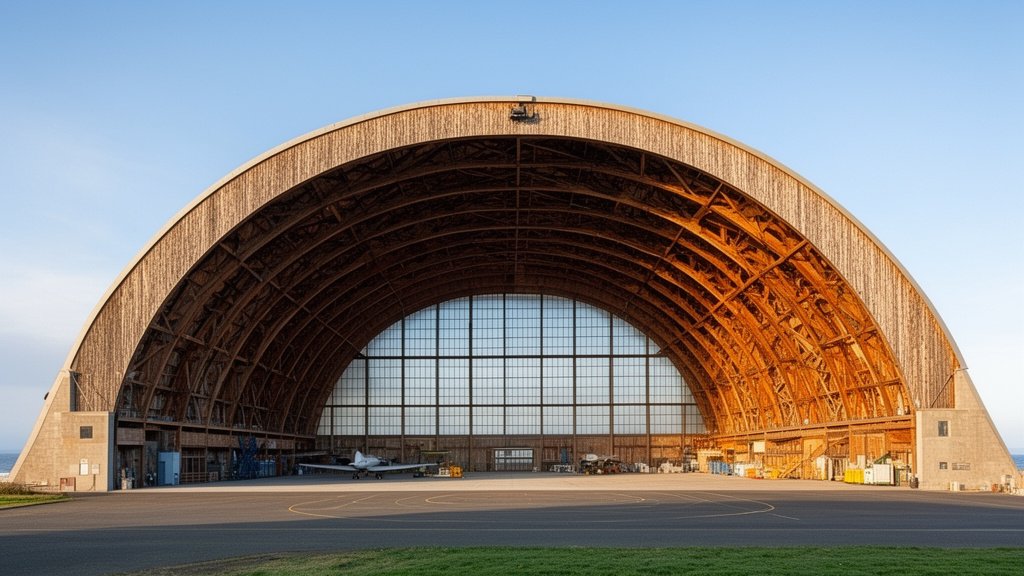
The Tillamook Air Museum, a cornerstone of Oregon’s aviation heritage and coastal tourism, has officially announced it will reopen its doors to the public on October 29, 2026. The institution has been shuttered for the past ten months following severe storm damage that compromised the structural integrity of the historic facility, a site renowned for housing its collection within the massive expanse of the former Naval Air Station Tillamook’s Hangar B. This reopening signifies a critical victory for local cultural preservation and the regional tourism economy, which has grappled with the absence of one of its most recognizable landmarks since the early months of the year.
Key Highlights
- Reopening Date: The museum will officially welcome visitors back starting October 29, 2026.
- Duration of Closure: The facility was closed for ten months due to significant storm-related infrastructure damage.
- Architectural Significance: The museum is housed in Hangar B, the world’s largest clear-span wooden structure, which required specialized preservation efforts.
- Economic Recovery: The reopening is expected to revitalize foot traffic along the US Highway 101 corridor.
Engineering Resilience and the Restoration of Hangar B
The story of the Tillamook Air Museum’s closure is as much about architecture as it is about meteorology. Hangar B, built in 1942 as part of the Naval Air Station Tillamook, stands as a testament to wartime engineering. Spanning over 1,000 feet in length and reaching heights of nearly 200 feet, the structure is constructed entirely of massive timber arches, making it the world’s largest clear-span wooden structure. When severe winter storms battered the Oregon coast earlier this year, the sheer scale of the hangar made it uniquely vulnerable to wind-driven structural stress. The damage necessitated an immediate, extended closure to ensure public safety and to conduct complex, specialized repairs that could not be completed while the site remained operational.
Restoring a historical timber structure of this magnitude presents a distinct set of challenges. Unlike modern steel-frame buildings, Hangar B relies on the stability of its wooden trusses and the integrity of its roofing materials, which are constantly exposed to the harsh, salt-heavy maritime climate of the Pacific Northwest. Engineers and preservationists tasked with the recovery effort had to coordinate repairs that would meet modern building codes while simultaneously respecting the historical fabric of the site. This required sourcing high-grade timber and employing specialized contractors familiar with mid-century military architecture. The ten-month timeline, while significant, allowed the museum to not only address the immediate storm damage but also to perform necessary maintenance on the hangar’s exterior envelope, ensuring that the facility is better equipped to handle future climatic volatility. This process underscores the increasing difficulty institutions face in maintaining historic sites amidst a shifting climate, where “severe weather” is becoming a recurring variable rather than a statistical anomaly.
The Ripple Effect on Regional Tourism
The absence of the Tillamook Air Museum was keenly felt by the surrounding community. Located along the US Highway 101 corridor—a primary artery for tourism in the Pacific Northwest—the museum acts as a critical anchor for travelers navigating the Oregon Coast. Small businesses, ranging from local eateries and hotels to gift shops in Tillamook County, rely heavily on the consistent flow of visitors the museum attracts. Reports from local commerce boards indicated a tangible decline in off-season tourism revenue during the first half of 2026, highlighting the museum’s role as a primary driver of day-trip traffic.
The reopening on October 29 is strategically timed, allowing the museum to welcome visitors as they look for indoor activities during the cooler, wetter fall and winter months. For many, the return of the museum represents a return to normalcy for the region. The institution plans to leverage this reopening by rolling out updated exhibits that highlight the history of the Naval Air Station and the advancements in aviation that occurred during the mid-20th century. By revitalizing its visitor experience, the museum aims to capture both the long-standing fan base and a new generation of travelers exploring the Oregon coast, potentially cushioning the local economy against the lingering effects of the year’s prolonged closure.
Future-Proofing Aviation Heritage
Beyond the immediate relief of reopening, the restoration efforts have sparked a broader conversation regarding the long-term preservation of the site. The museum’s management has indicated that the repairs are part of a multi-phase initiative to ‘future-proof’ the hangar. This involves implementing advanced monitoring systems for the roof and exterior walls, allowing for real-time data collection on structural stress during high-wind events. This proactive approach is a shift from traditional maintenance to a data-driven model, which is becoming increasingly common for museums housing large-scale artifacts in extreme environments.
Furthermore, the closure forced the institution to re-evaluate its operational strategy. During the shutdown, the museum digitized significant portions of its collection, allowing for virtual engagement that kept the Tillamook brand in the public eye. As the doors reopen, this digital presence will continue to run in parallel with the physical exhibits, creating a hybrid model that maximizes accessibility. The goal is to ensure that even if the physical structure faces future limitations, the educational and historical mission of the museum remains unyielding. The upcoming reopening is not merely a return to business as usual; it is a reintroduction of a resilient institution that has successfully navigated the dual pressures of environmental risk and economic instability.
FAQ: People Also Ask
Q: Will all exhibits be open when the museum reopens on October 29?
A: Yes, the museum has confirmed that all major displays, including the primary aviation collection and the Hangar B exhibits, will be accessible to the public starting from the reopening date.
Q: Was the damage to Hangar B considered severe?
A: Yes, the damage was significant enough to warrant a total closure for ten months to ensure public safety. Specialized structural repairs were required to fix the compromised sections of the world-famous wooden hangar.
Q: How does the museum’s reopening affect the surrounding Tillamook area?
A: The museum is a major tourism anchor. Its reopening is expected to boost traffic for local businesses along US Highway 101, which saw reduced visitor numbers during the ten-month closure period.
Q: Are there any changes to ticket prices or visitor policies?
A: The museum encourages visitors to check their official website for the most current information regarding hours, ticket pricing, and potential COVID-era safety protocols that may have been updated during the closure.


