Mirror Pond Welcomes Divers Back After 15-Year Hiatus
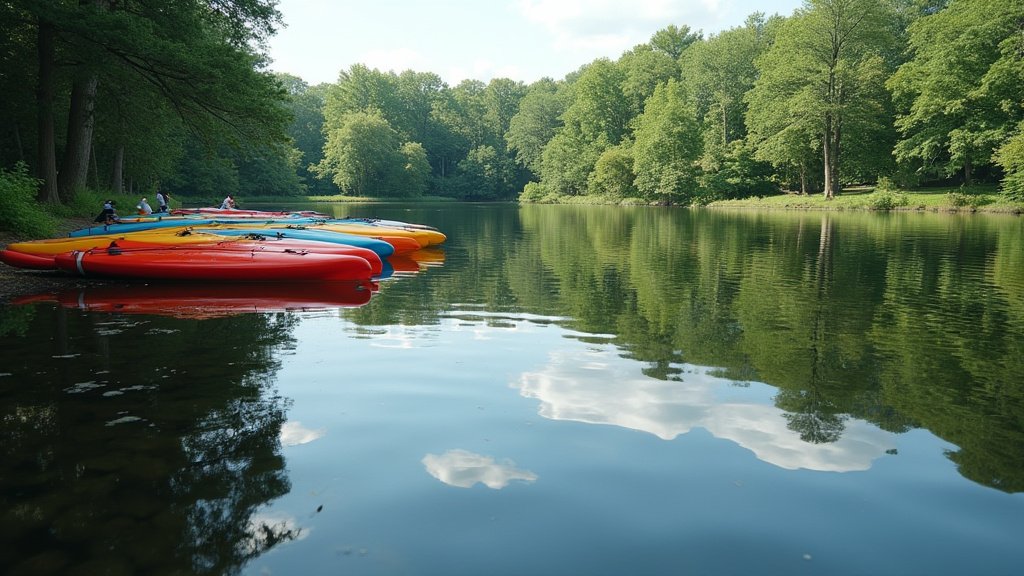
Volunteer scuba divers are set to plunge into Mirror Pond this Saturday, July 11th, for a significant underwater cleanup. This marks the first time in approximately 15 years that divers have undertaken such an effort in the beloved Bend, Oregon, landmark. The event is a key component of the 30th Annual Deschutes River Cleanup, an initiative led by the Upper Deschutes Watershed Council. The primary objective is to meticulously remove accumulated litter and pollutants, thereby enhancing the water quality and safeguarding the delicate aquatic ecosystems within Mirror Pond and the broader Deschutes River watershed. This return to underwater recovery efforts highlights a renewed commitment to the health and preservation of this vital natural resource, with a wide array of volunteers, including kayakers, paddleboarders, and land-based participants, contributing to the comprehensive cleanup.
A Historic Return to Underwater Restoration
The resurgence of underwater cleanup efforts in Mirror Pond is a notable event, signifying a period of dedicated environmental stewardship. Historically, Mirror Pond, created in 1910 by the construction of a hydroelectric dam by the Bend Water, Light & Power Company, has been a focal point for the city of Bend. The dam, now owned by Pacific Power, continues to generate electricity, sufficient for about 200 homes. However, the dam’s presence has led to significant sediment buildup over the decades, a challenge that has plagued the pond since at least the mid-1970s after the removal of a mill pond upstream altered river flow. Previous dredging efforts, such as the one in 1984 which cost $312,000 and removed approximately 60,000 cubic feet of material, were not permanent solutions. The recurring issue of sedimentation has prompted ongoing discussions and planning for future management, including the potential for fish passage structures at the dam, with efforts to design a “nature-like fishway” underway.
The Scope and Significance of the Cleanup
This year’s Deschutes River Cleanup will engage volunteers across six distinct locations, with Mirror Pond being a primary focus for the dive teams. The Upper Deschutes Watershed Council, a non-profit organization dedicated to protecting and restoring the watershed, spearheads this annual event. Their work encompasses habitat restoration, watershed education, and long-term monitoring, all aimed at preserving the ecological integrity of the Upper Deschutes River watershed. The cleanup efforts are crucial for mitigating the impact of human activity and natural processes on the river system. Past cleanups have yielded a variety of unusual items, including firearms, bicycles, canoes, and even a wood stove, underscoring the diverse range of debris that can accumulate in the waterway. This year’s event aims to address both visible litter and less apparent pollutants, contributing to a healthier aquatic environment for fish and wildlife.
Community Engagement and Environmental Stewardship
The 30th Annual Deschutes River Cleanup is a testament to the community’s commitment to environmental preservation. The Upper Deschutes Watershed Council relies on the participation of numerous volunteers and partners, including organizations like Bend Park and Recreation District, Deschutes County Search and Rescue, and various local businesses. The event not only facilitates the removal of trash and invasive weeds but also serves as an educational platform, fostering a deeper understanding of watershed health and the importance of conservation. The council’s mission is to protect and restore the two-million-acre Upper Deschutes River watershed through collaborative projects, and events like this are central to achieving that goal. By engaging divers, kayakers, paddleboarders, and land-based volunteers, the cleanup ensures a comprehensive approach to restoring the health of the Deschutes River and its iconic Mirror Pond.
FAQ: People Also Ask
Q1: What is Mirror Pond and why is it significant?
A1: Mirror Pond is a man-made body of water on the Deschutes River in Bend, Oregon, created in 1910 by a hydroelectric dam. It is known for its calm, mirror-like surface and is a popular recreational and scenic area, featured even on the city’s logo.
Q2: What are the main environmental challenges facing Mirror Pond?
A2: The primary challenge is sedimentation due to the dam trapping sediment from the Deschutes River. This has led to the pond becoming shallower and muddier over time, impacting recreation and water quality.
Q3: Has Mirror Pond been cleaned up before?
A3: Yes, Mirror Pond was last dredged in 1984. There have been various discussions and planning efforts regarding its management, including dredging and the possibility of removing the dam or adding fish passage.
Q4: Who organizes the Deschutes River Cleanup?
A4: The Deschutes River Cleanup is organized annually by the Upper Deschutes Watershed Council (UDWC), a non-profit organization focused on protecting and restoring the Upper Deschutes River watershed.
Q5: What kind of items have been found during past river cleanups?
A5: Past cleanups have recovered a wide range of items, including firearms, bicycles, canoes, wood stoves, and abandoned fishing gear, highlighting the diverse types of debris that can accumulate in waterways.