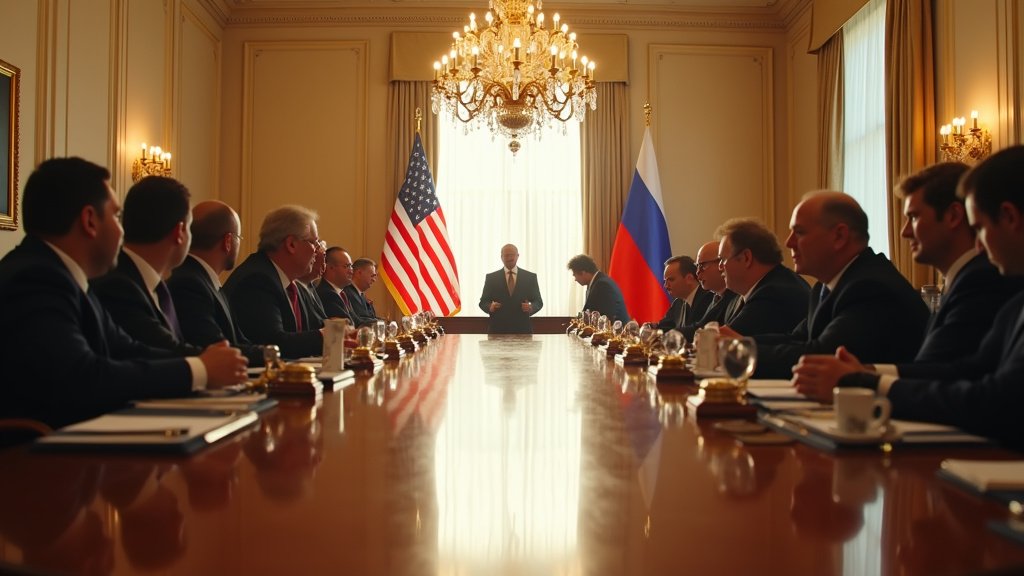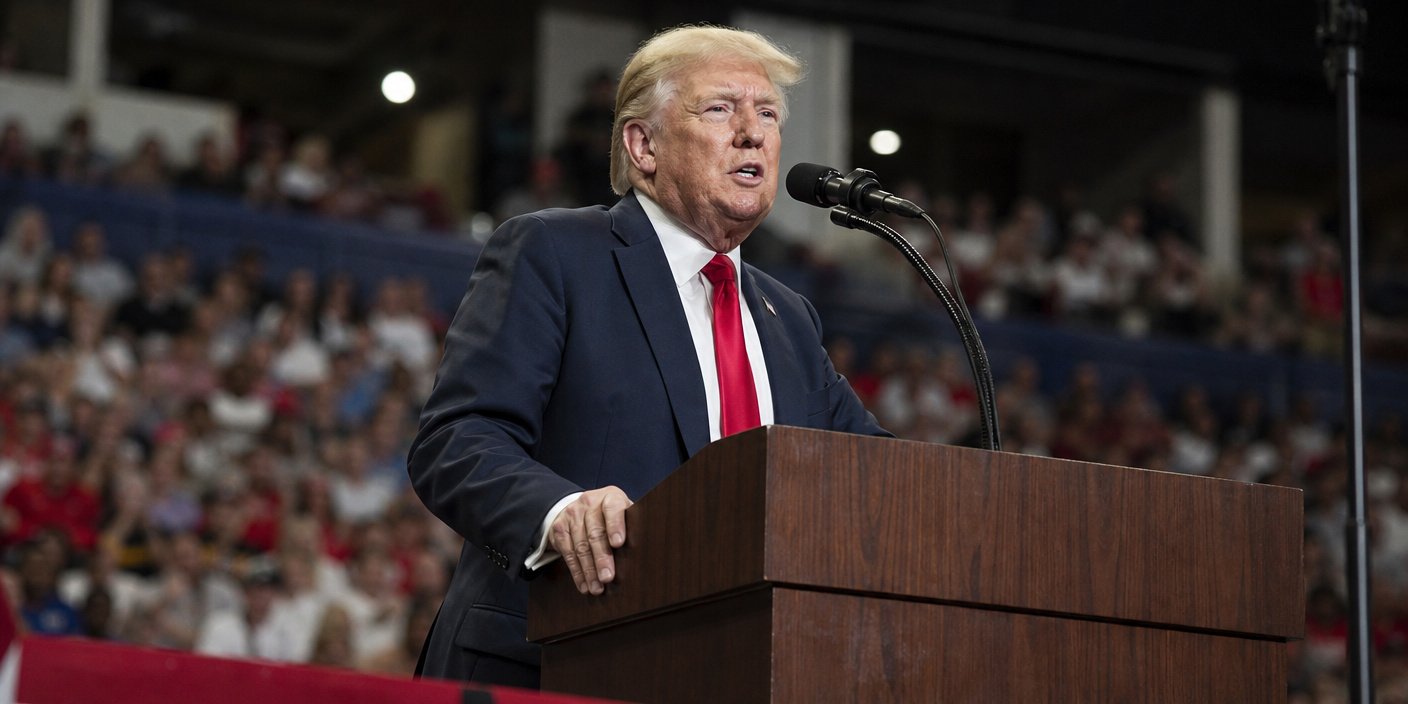
President Trump has signaled a potential cooling of tensions in the U.S.-Canada trade war, suggesting that a resolution to the ongoing economic friction could be reached ‘pretty soon.’ During a recent rally, the President hinted that the administration is actively refining its approach, moving away from broad-based protectionism toward a more surgical, tactical adjustment of tariff structures. This shift is widely viewed by political analysts as a strategic realignment intended to stabilize supply chains and alleviate inflationary pressure on key commodities ahead of the critical midterm elections. As the White House recalibrates its trade policy, the focus has shifted from blanket levies to a granular assessment of imports, signaling a tactical pivot that seeks to secure domestic industry wins without alienating essential North American trading partners.
Key Highlights
- Potential Resolution: President Trump signaled during a rally that trade tensions with Canada are cooling, with a formal resolution potentially on the horizon.
- Tariff Realignment: The administration is executing a tactical pivot, repealing specific taxes on products like plywood while simultaneously imposing new duties on select goods.
- Economic Strategy: The move aims to stabilize domestic supply chains, particularly in the construction and housing sectors, ahead of the midterm election cycle.
- Political Timing: Analysts identify this shift as a calculated effort to mitigate voter concerns regarding trade-induced price hikes and market instability.
Navigating the Shifting North American Tariff Landscape
The relationship between the United States and Canada has long been defined by the complexities of the USMCA and historical trade disputes regarding steel, aluminum, and soft-wood lumber. The latest administration rhetoric suggests a move toward a ‘targeted enforcement’ model. By repealing tariffs on plywood, the White House is addressing immediate pressure in the domestic construction industry, where costs have been significantly elevated by previous trade barriers.
The Anatomy of the Tactical Pivot
This shift is not merely a retreat but a calculated repositioning. By analyzing the current trade deficit data and identifying goods where tariffs have caused more harm to domestic manufacturers than to foreign competitors, the administration is refining its trade weaponry. The repeal of plywood tariffs acts as a relief valve for the housing market, which has faced significant headwinds. Conversely, the implementation of new duties on other, less sensitive goods allows the administration to maintain its ‘tough on trade’ brand image, which remains a cornerstone of its political platform. This dual approach ensures that the President can claim a victory in trade negotiations while concurrently addressing the economic realities of the domestic supply chain.
Impact on the Housing and Construction Sector
For the American consumer and the housing industry, the repeal of plywood tariffs is a significant development. Plywood is a foundational material for residential construction; high tariffs have historically translated to increased overhead for developers and higher mortgage costs for homebuyers. By easing these burdens, the administration is effectively injecting a stimulus into the construction sector. This maneuver serves a dual purpose: it lowers costs for small and medium-sized businesses—a key voter demographic—and directly addresses the persistent inflation concerns that have dominated the national discourse.
The Midterm Calculus and Foreign Policy
Political experts suggest that the timing of this ‘thaw’ is directly linked to the upcoming midterm elections. In an era where economic sentiment is the primary driver of voter behavior, reducing trade friction with a close ally like Canada provides a much-needed narrative of stability. This move demonstrates a departure from the chaotic trade rhetoric of previous years, suggesting a maturation of trade policy that favors tactical gains over ideological warfare. However, this shift also brings inherent risks. By imposing new duties on other goods, the administration invites potential retaliation from Ottawa, meaning the ‘resolution’ remains fragile and dependent on a continued willingness by both nations to engage in good-faith negotiations.
Future Economic Implications
The long-term success of this pivot depends on the volatility of the commodities markets and the resilience of the North American trade corridor. If the administration can maintain this balance—relieving pressure on essential goods while protecting key industries—it may establish a new template for American trade policy. Conversely, if the new duties on other goods escalate into a fresh cycle of retaliatory measures, the current optimism regarding a ‘pretty soon’ resolution may prove premature. The administration is essentially walking a fine line, attempting to appease domestic protectionists and free-market advocates simultaneously.
FAQ: People Also Ask
Q: Why is the administration shifting its trade stance with Canada now?
A: The timing is widely attributed to the approach of midterm elections. The administration is seeking to stabilize domestic supply chains and reduce inflationary costs on construction materials to boost economic sentiment among voters.
Q: What specific goods are being targeted by these tariff changes?
A: The administration is repealing tariffs on plywood to aid the housing and construction sector while simultaneously imposing new, targeted duties on other specific imports to maintain a protective stance on essential domestic industries.
Q: Does the repeal of plywood tariffs mean the trade war is over?
A: Not necessarily. While the President signaled that a resolution could be reached ‘pretty soon,’ this is a tactical pivot rather than a total cessation of hostilities. Trade policy remains fluid, and the administration continues to use tariffs as a diplomatic tool.
Q: How does this affect U.S.-Canada diplomatic relations?
A: The move indicates a potential cooling of rhetoric, which is viewed as a positive development for diplomatic relations. However, the introduction of new duties means that underlying trade tensions persist, requiring ongoing negotiation between Washington and Ottawa.