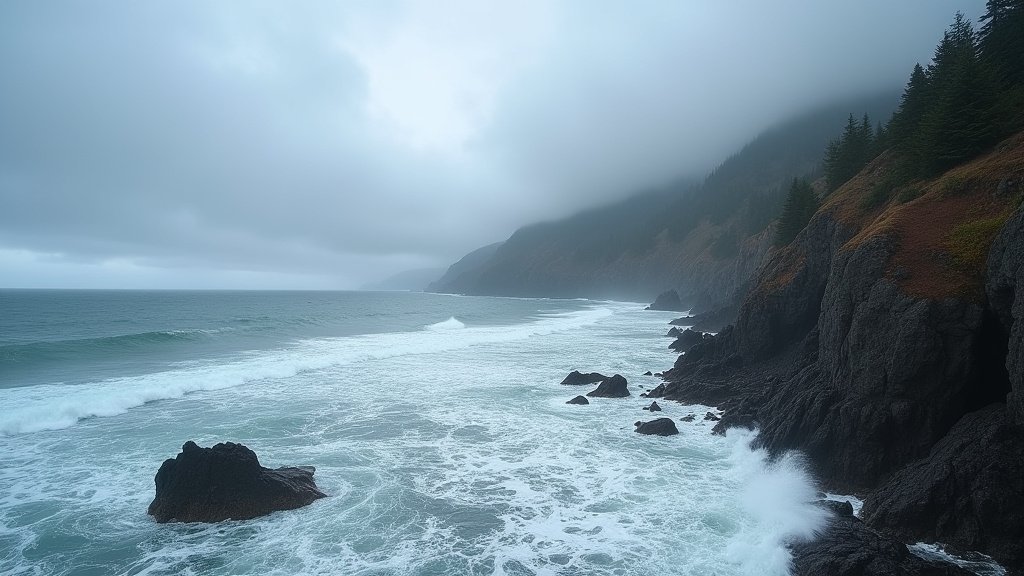
The Oregon Coast Visitors Association (OCVA) has officially released its updated regional activities directory for late October 2026, marking a critical transition in the Pacific Northwest’s tourism calendar. This strategic update is designed to navigate the shift from the high-traffic summer season to the introspective, weather-driven experiences that define the Oregon coastline during late autumn. For travelers, local business owners, and coastal residents, this directory serves as the primary roadmap for maximizing leisure during the state’s most volatile—and arguably most beautiful—climatic window.
The Strategic Pivot: Navigating Coastal Leisure in Late October
The Shift to Shoulder Season Operations
The release of the October 2026 directory underscores a significant evolution in how regional tourism is managed. Unlike the peak visitation months of July and August, late October presents a unique set of variables: decreasing daylight hours, the arrival of the first significant Pacific storm systems, and a drastic shift in the wildlife landscape. The OCVA has compiled this data to ensure that visitor expectations remain aligned with reality. The directory emphasizes ‘shoulder season’ resilience, encouraging visitors to embrace the moody, atmospheric nature of the coast rather than expecting summer-style beach recreation.
Key to this update is the integration of real-time accessibility data. As seasonal closures begin to impact smaller coastal attractions and certain state park amenities, the directory provides updated operational hours for major sites, including Ecola State Park and the Yaquina Head Outstanding Natural Area. This prevents the common frustration of tourists arriving at destinations that have shifted to winter maintenance schedules.
Embracing the Elements: The Rise of Storm Watching
One of the most significant pillars of the October 2026 update is the formalization of storm watching as a primary activity. The directory highlights specific coastal vantage points—from the craggy cliffs of Cape Perpetua to the expansive outlooks near Cannon Beach—that offer the safest and most dramatic views of the encroaching Pacific swells.
By categorizing these locations by safety metrics and accessibility, the OCVA is shifting the narrative from passive sightseeing to active, informed participation in the coastal environment. This approach is not merely about tourism; it is about education. The directory includes sections on tidal safety, the importance of respecting ‘sneaker wave’ warnings, and the ecological significance of the autumn shift, which brings nutrient-rich waters closer to the shoreline.
Cultural and Gastronomic Integration
Beyond the physical landscape, the updated directory bridges the gap between the outdoors and the local economy. The 2026 update includes an expanded list of indoor harvest-season events, including local pumpkin festivals in Tillamook County and Dungeness crab season preview events.
The OCVA has intentionally curated these listings to support the ‘local-first’ economic strategy. By directing foot traffic to small, locally-owned cafes, galleries, and boutique shops that remain open during the shoulder season, the directory aims to sustain the local economic engine during the lull between major holiday tourist spikes. The inclusion of specific local artists’ studios and seasonal artisan markets allows visitors to experience the cultural heart of the Oregon coast that is often obscured during the summer crowds.
Future Predictions and Digital Integration
The 2026 directory represents a shift toward a more dynamic, digital-first tourism model. Unlike previous iterations, this version is designed to be mobile-responsive and linked to real-time weather feeds provided by the National Weather Service. This move anticipates a future where coastal tourism is less about static planning and more about adaptive, real-time decision-making.
Economic analysts suggest that this strategy will likely increase the average ‘length of stay’ for visitors. When tourists have a directory that provides reliable, updated information on what is open—even during a rainy day—they are less likely to pack up and leave early. By offering a ‘rainy day itinerary’ for every major coastal hub, the OCVA is essentially insulating the regional economy against the unpredictable nature of the Oregon climate.
FAQ: People Also Ask
Is the Oregon Coast fully open to visitors in late October?
Yes, the coast remains open, though it is the beginning of the shoulder season. While some seasonal businesses may reduce hours or close, major state parks, hotels, and restaurants remain operational. The OCVA directory is the best tool to verify specific operational statuses.
What are the primary safety concerns for October visitors?
Safety is paramount during this time. The primary concerns include ‘sneaker waves’ on beaches, high wind gusts on coastal cliffs, and potential road closures due to storm-related debris. Always check the OCVA’s digital safety alerts before heading out.
How does the new directory differ from summer travel guides?
Summer guides focus on beach access and sunny-weather activities. The October 2026 directory shifts focus toward indoor cultural events, storm watching safety, harvest-season local food markets, and wildlife viewing opportunities that are unique to the cooler autumn months.
Can I still go tide pooling in late October?
Absolutely. The cooling temperatures and lower crowd levels make October an excellent time for tide pooling. However, it is essential to consult the tide tables provided in the directory to ensure you are visiting during low tide and that the weather conditions are safe for coastal exploration.