This week in Portland, the city’s cultural fabric weaves together the mystical, the scientific, and the soulful. Residents looking to navigate the vibrant landscape of October 14–20, 2026, will find a schedule that balances deep historical inquiry with modern community-building and elite musical performance. Whether you are a lifelong Portlander or a curious visitor, this seven-day stretch highlights the specific institutions that make the Rose City a unique enclave of American culture. The calendar this week is defined by three pillars: the preservation of regional folklore at the Oregon Historical Society, the democratization of science at OMSI, and the evolution of jazz through local virtuoso George Colligan.
Key Highlights
- Unearthing the Sasquatch: The Oregon Historical Society debuts its comprehensive exhibition on Bigfoot iconography, tracing the creature’s place in regional history from native oral traditions to modern pop culture.
- Inclusive STEM Innovation: OMSI hosts its hallmark Black Community Science Night on October 16, providing an inclusive, accessible environment for families and science enthusiasts to engage with interactive exhibits.
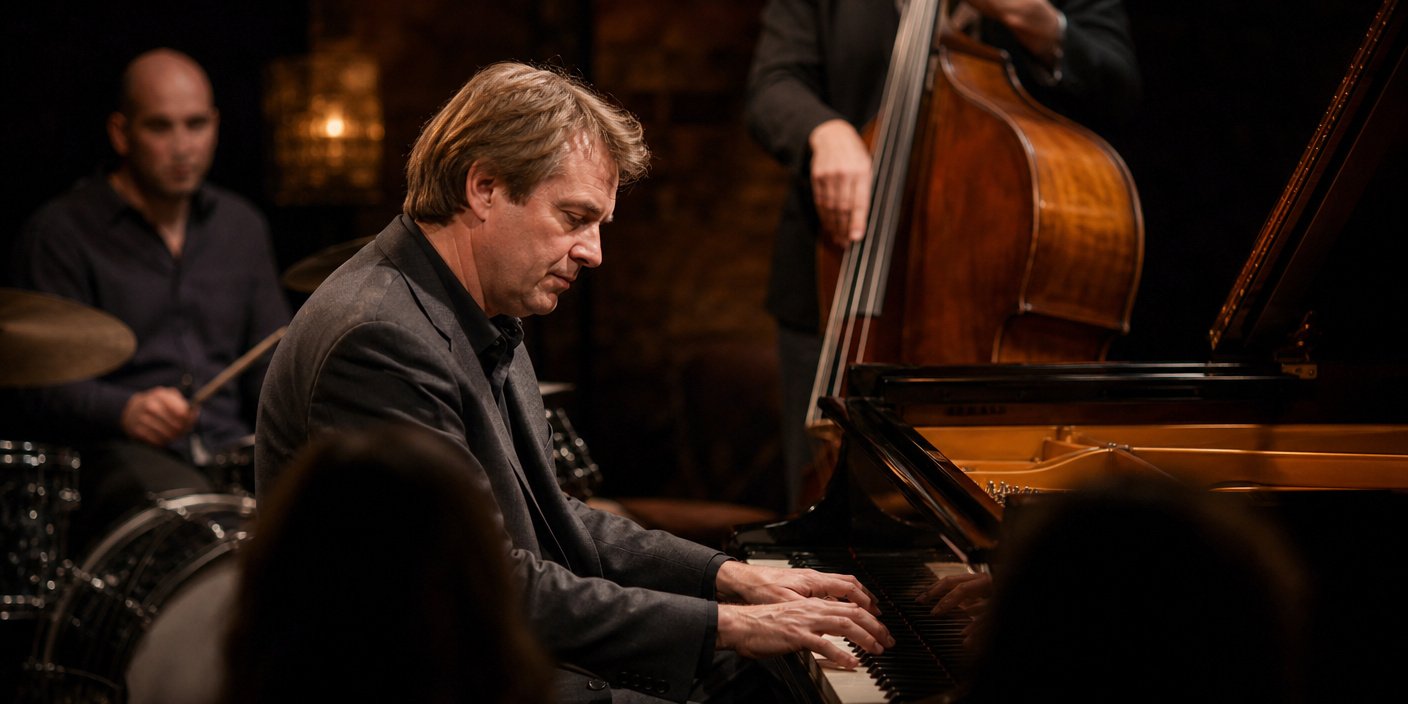
- Colligan’s Jazz Showcase: Acclaimed pianist and composer George Colligan performs an intimate live album release show, marking a pivotal moment in Portland’s contemporary jazz narrative.
The Portland Cultural Landscape: A Week of Discovery
Portland has always operated on a frequency distinct from the rest of the Pacific Northwest. While technology and industry sectors continue to drive the regional economy, the city’s heart remains firmly rooted in its cultural institutions. This week, we see a convergence of these interests: history, science, and the arts. By looking closely at the calendar, we find a city that is not just consuming entertainment, but actively participating in its own identity formation.
The Folklore of the Pacific Northwest: OHS and the Bigfoot Phenomenon
Perhaps no entity represents the Pacific Northwest quite like the Oregon Historical Society (OHS). Located in the heart of downtown, OHS is shifting the narrative this week with their new exhibition focusing on Bigfoot iconography. For the uninitiated, Sasquatch is not just a cryptid; it is a cultural totem.
This exhibition moves beyond the blurry photos of the 1967 Patterson-Gimlin film and delves into the anthropological roots of the myth. It explores why, in an age of high-definition satellite imagery and rigorous scientific scrutiny, the legend of the hairy biped persists in the dense forests of Oregon. The OHS curators have meticulously archived physical artifacts, oral histories from Indigenous tribes that pre-date Western settlement, and the subsequent explosion of 20th-century folklore. By engaging with this exhibit, attendees are doing more than looking for a monster; they are examining the human need to protect the wilderness from complete mapping and colonization. It is a brilliant example of how a regional museum can turn a pop-culture curiosity into a serious sociological study.
Advancing Inclusion: The Role of OMSI
If OHS looks to the past, the Oregon Museum of Science and Industry (OMSI) looks squarely at the future. Their commitment to inclusivity is not performative; it is embedded in their operational philosophy. On October 16, 2026, OMSI will open its doors for the Black Community Science Night.
This is a critical event for the city’s educational landscape. By specifically fostering an environment where Black youth and families can engage with STEM (Science, Technology, Engineering, and Mathematics) in a space designed for them, OMSI is actively working to dismantle the historical barriers to science education. The event will feature hands-on demonstrations, direct access to STEM professionals of color, and laboratory sessions that challenge the status quo of traditional science fairs. For parents and educators in the Portland metro area, this night is more than a field trip—it is an investment in the demographic diversification of the local tech and research pipelines. The success of this program underscores a broader trend: museums are evolving from passive ‘display cabinets’ into active community hubs that address socioeconomic disparities.
The Sound of Now: George Colligan’s Jazz Evolution
Anchoring the latter half of the week, jazz pianist and educator George Colligan brings a sophisticated energy to the city’s music scene. His upcoming album release show is a testament to the health of Portland’s local music ecosystem. Colligan, who has long been a fixture in the New York and Portland jazz scenes, utilizes this performance to showcase the ‘album as an event’—a dying art in the age of single-track streaming dominance.
Jazz in Portland has undergone a renaissance, fueled by a mixture of seasoned veterans and the influx of conservatory-trained musicians. Colligan sits at the intersection of these two worlds. His performance will likely feature complex, polyrhythmic compositions that challenge the listener, reminding us that jazz remains the most vital form of American improvisation. This release show isn’t just about hearing new tracks; it is about witnessing a master musician navigating the boundaries of modern jazz composition in an intimate, acoustic-focused environment. For those who want to understand the current state of improvisational music, this concert is essential viewing.
Secondary Angles: Why This Week Matters
1. The Economic Ripple of Cultural Events: These three events represent distinct sectors—historical tourism (OHS), non-profit educational programming (OMSI), and the nightlife/performance economy (Colligan). Combined, they demonstrate how Portland’s weekend leisure economy is increasingly driven by ‘intellectual tourism’ rather than just retail or dining.
2. The Digitization of Folklore: The Bigfoot exhibit at OHS is a direct response to the ‘internet-ification’ of myth. We are seeing a shift where local museums must compete with TikTok-style paranormal investigation content by offering physical, verified archives. It is a necessary pivot for survival.
3. Educational Equity as Infrastructure: The Black Community Science Night is a model for ‘social infrastructure.’ By providing consistent, high-quality, and inclusive STEM access, OMSI is building a more resilient, highly skilled workforce for the future of the Silicon Forest.
FAQ: People Also Ask
Q: Are the Oregon Historical Society and OMSI located close to each other?
A: While both are major institutions, they are separated by the Willamette River. OHS is downtown near the Park Blocks, while OMSI is situated on the east bank of the river in the Central Eastside district. Plan for about a 10-15 minute commute between the two.
Q: Do I need tickets in advance for the George Colligan show?
A: Yes. High-caliber jazz performances in Portland, especially album release events involving artists of Colligan’s stature, frequently sell out. It is highly recommended to secure reservations via the venue’s official website at least 48 hours in advance.
Q: What is the primary focus of the Bigfoot exhibit at OHS?
A: The exhibit focuses on the historical, sociological, and folkloric significance of Sasquatch in the Pacific Northwest, rather than proving the creature’s existence. It highlights how the legend has shaped regional culture, art, and tourism.
Q: Is the OMSI Black Community Science Night open to the public or just members?
A: This event is designed to be accessible to the broader community, though pre-registration is often required to manage capacity. Check the OMSI events calendar for specific registration links to ensure entry.