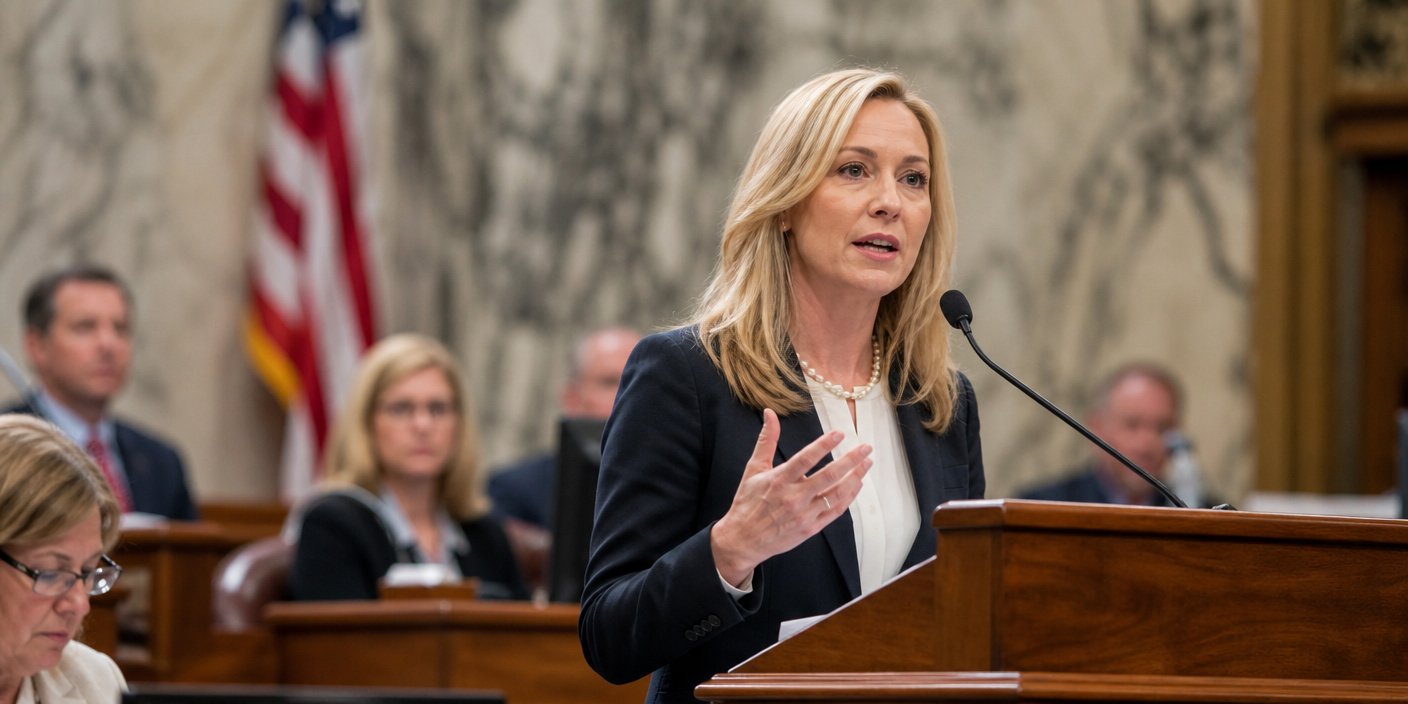
Oregon’s legislative landscape is bracing for a significant shift as Republican leaders, spearheaded by state Sen. Christine Drazan, have announced a strategic move to codify the rights to hunt, fish, and farm within the state constitution by 2027. This initiative, designed as a pre-emptive measure against the rising tide of animal rights ballot initiatives that have repeatedly challenged Oregon’s rural industries, seeks to establish these traditional activities as fundamental protected rights. By elevating these practices to the constitutional level, proponents argue they can provide a permanent, non-negotiable legal shield that standard legislation currently lacks.
The Legislative Path to 2027
The timeline for this constitutional amendment is set for the 2027 legislative cycle, a window the Oregon Republican leadership views as critical to stabilize the regulatory environment. Unlike standard statutes, which can be modified or repealed by subsequent legislative sessions or voter-approved ballot measures, a constitutional amendment requires a higher threshold for alteration. For the GOP, this is not merely a policy preference; it is a defensive strategy designed to stabilize industries that are central to the state’s heritage and economic foundation.
The proposal aims to create a clear, enforceable boundary that prevents specialized interest groups from utilizing the ballot measure process to circumvent traditional management practices. By framing hunting, fishing, and farming as protected, the amendment would establish a higher level of scrutiny for any future regulations that threaten to inhibit these activities. Legal scholars note that such a move mirrors actions taken in other states where similar constitutional protections have successfully acted as a bulwark against aggressive, single-issue legislative attacks.
Defending the Tradition of Stewardship
Central to the argument presented by Sen. Drazan and her colleagues is the concept of “stewardship.” The GOP leadership posits that Oregon’s sportsmen, outdoor enthusiasts, and agricultural workers are the primary stewards of the land. They argue that the current trajectory of animal rights ballot initiatives—often backed by national organizations with limited knowledge of local wildlife management or agricultural needs—threatens to dismantle the very systems that sustain Oregon’s ecosystems and rural economies.
This constitutional push is specifically designed to preempt initiatives similar to past ballot measures that have sought to restrict or ban specific hunting techniques or animal husbandry practices. By anchoring these rights in the constitution, the goal is to shift the debate from the ballot box—where emotions and national funding often drive results—back to the legislature, where management is handled by the Oregon Department of Fish and Wildlife and agricultural experts. This transition would ensure that management decisions are grounded in biological and scientific data rather than political trends.
Answering the Ballot Box Challenges
Oregon has long been a battleground for ballot measures, a direct democracy tool that has been utilized frequently by advocacy groups. Recent cycles have seen intense, often expensive campaigns surrounding animal welfare and land use. The Republican proposal is a direct response to this volatility. If passed, the amendment would limit the scope of future measures, potentially rendering them unconstitutional if they interfere with the core rights enshrined in the state charter.
Critics of the proposal, including various animal welfare organizations, are expected to mount a significant opposition campaign, arguing that constitutional protection is too blunt an instrument and could limit the state’s ability to regulate for environmental or health purposes. However, proponents remain steadfast, emphasizing that the language of the proposed amendment will be carefully drafted to maintain existing standards while preventing the outright elimination of traditional practices.
Agricultural Stability and Economic Impact
Beyond hunting and fishing, the inclusion of farming within this constitutional umbrella is a calculated move to stabilize Oregon’s agricultural sector. Farmers and ranchers have faced increasing pressure from regulations that dictate animal housing, transport, and slaughtering practices. These regulations, often coming from urban-centric voter bases, have created significant financial hardship for rural producers who operate on thin margins.
By constitutionally protecting farming practices, the GOP aims to provide a stable, long-term climate for investment. Agriculturalists have long argued that constant regulatory shifts make it impossible to plan for future infrastructure and land improvement. If this amendment succeeds, it would provide a much-needed assurance that the basic methods of production will not be outlawed by an abrupt change in the political winds.
Historical Context and Future Implications
Looking back at Oregon’s political history, this proposed amendment represents one of the most direct challenges to the ballot measure system in recent memory. Since the early 20th century, the initiative process has been a hallmark of Oregon politics. While it has allowed for progressive policy breakthroughs, it has also created a climate of uncertainty for established industries. The GOP’s move to amend the constitution marks a pivot toward institutional stability, suggesting that the legislature is no longer willing to let volatile ballot cycles dictate the fate of the state’s rural sectors. Should the 2027 effort gain traction, it could spark a broader statewide debate about the role and limits of the ballot initiative itself, potentially setting the stage for a comprehensive re-evaluation of how Oregonians balance direct democracy with industrial stability.
FAQ: People Also Ask
Why are Oregon GOP leaders targeting 2027 specifically?
The 2027 timeframe allows the party to build a cohesive legislative coalition and educate the public on the long-term benefits of the amendment. It provides sufficient lead time to draft precise, defensible legal language that will withstand judicial scrutiny while ensuring it aligns with the next major legislative session schedule.
What specific rights would be protected under this amendment?
The amendment intends to protect the fundamental right to engage in hunting and fishing as a means of food production and wildlife management, as well as the right to conduct standard, commercially accepted farming and ranching practices without being subjected to bans based on political ideology rather than scientific management.
How does this impact existing state laws?
The amendment would not necessarily replace existing laws, but it would set a constitutional baseline. If future legislation or a ballot measure conflicts with the protected rights of hunting, fishing, or farming, the constitutional provision would take precedence, forcing the state to prove that any new restriction is narrowly tailored and based on legitimate, urgent public interest.
Could this lead to legal challenges?
It is highly likely that any constitutional amendment of this magnitude will face legal challenges. Opponents will likely argue that such a measure infringes upon the people’s right to direct legislation or conflicts with other constitutional principles. The GOP leadership is currently preparing for this by engaging constitutional scholars and legal experts to ensure the language is robust and resilient.