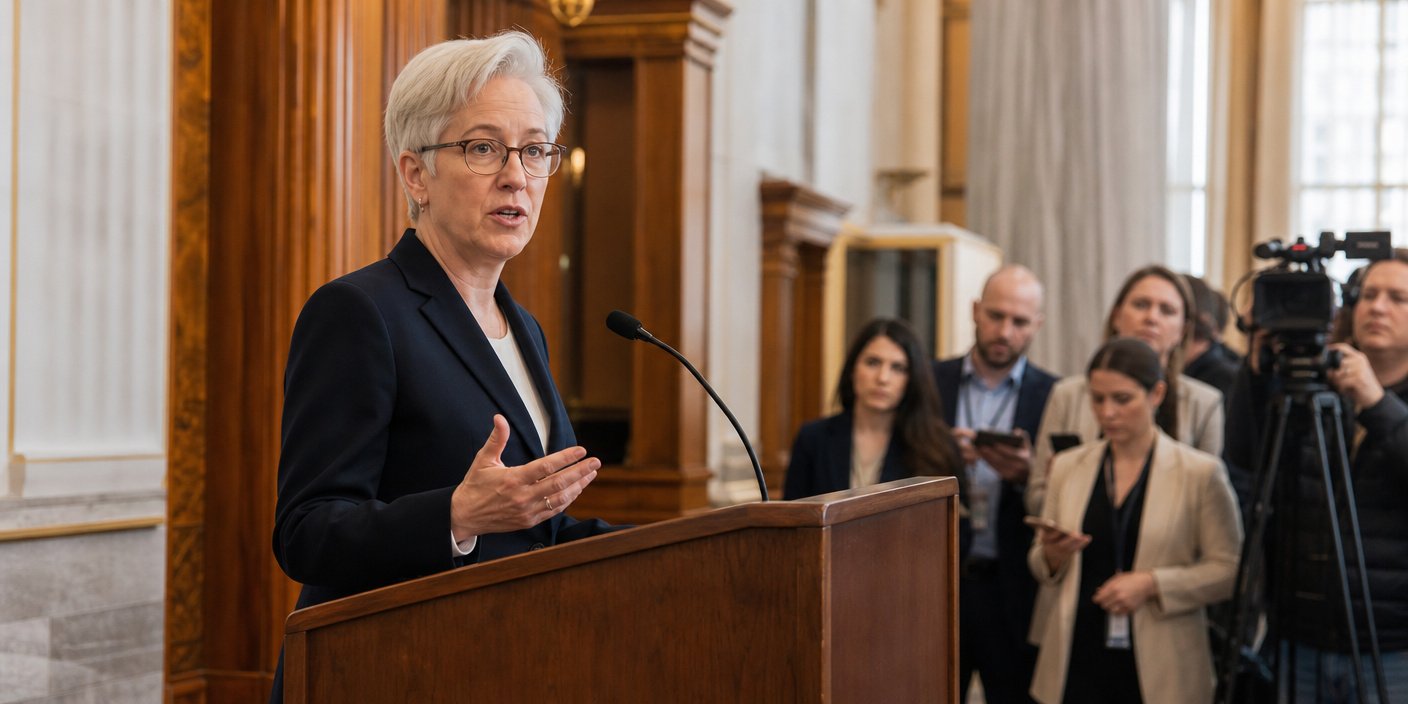
Oregon Governor Tina Kotek has officially launched her reelection strategy, dubbed “Building Oregon’s Future Together,” focusing on housing, economic growth, and educational advancement as she seeks a second term to solidify her policy agenda. The platform marks a distinct pivot from the crisis-response mode that characterized her initial two years in office, shifting toward long-term structural investment and legislative continuity.
Key Highlights
- Housing Production: A renewed commitment to the Housing Production Advisory Council’s goals, aiming to expedite land use changes and streamline urban growth boundary adjustments.
- Economic Resilience: Leveraging the CHIPS Act and state-level incentives to bolster Oregon’s semiconductor and advanced manufacturing sectors.
- Educational Equity: A prioritized focus on K-12 literacy outcomes and the expansion of career-technical education (CTE) pathways for high school students.
- Infrastructure and Climate: Integrating climate resilience standards into state infrastructure projects to mitigate future wildfire and drought risks.
The Blueprint for Oregon’s Next Four Years
The announcement of “Building Oregon’s Future Together” represents a strategic attempt to frame the upcoming electoral cycle around tangible policy outcomes rather than the partisan volatility that often defines state-level politics. By centering the platform on the “Building Oregon’s Future Together” narrative, Governor Kotek is signaling a desire to transition from the immediate, often reactive legislative sessions—defined largely by the unwinding of Measure 110 and the state’s ongoing housing supply crisis—to a sustained, proactive legislative agenda.
Housing and Infrastructure: The Core Policy Engine
At the center of Kotek’s platform is the housing crisis. Since taking office, the Governor has consistently cited housing as her administration’s primary barometer of success. The new platform deepens this commitment, proposing a shift from temporary emergency measures to permanent systemic reform.
Key to this approach is the modernization of Oregon’s land-use planning system. The platform outlines a plan to further empower the Housing Production Advisory Council, ensuring that local municipalities are not only held accountable for housing targets but also supported with state-backed infrastructure financing. By focusing on “middle housing” and incentivizing high-density projects near transit corridors, the administration aims to curb the state’s severe supply deficit. Economists monitoring the state’s fiscal health argue that this focus is critical; housing affordability remains the primary driver of cost-of-living concerns for Oregonians, directly impacting the state’s ability to retain a skilled workforce.
Economic Strategy and the Semiconductor Sector
Governor Kotek’s second-term vision heavily leans into the “CHIPS Act” ecosystem. Oregon has positioned itself as a critical hub for global semiconductor manufacturing, particularly with significant investments in the Portland metro area. The platform explicitly details plans to streamline permitting for these high-tech facilities, linking industrial growth directly to job creation and high-wage employment opportunities.
This economic angle is a deliberate nod to business coalitions and labor unions alike. By framing economic development through the lens of “innovation hubs,” the Governor is attempting to bridge the gap between traditional industrial policy and the state’s desire to become a green-tech leader. The proposal suggests a dual-track economic plan: investing in massive, capital-intensive projects like semiconductor fabrication, while simultaneously providing small business grants to local, community-based enterprises that form the backbone of rural Oregon’s economy.
Education Reforms: Literacy and Career Readiness
Educational outcomes have been a friction point for the administration, particularly regarding the performance of the state’s K-12 system in the post-pandemic era. The new platform introduces a comprehensive literacy initiative, aiming to bring Oregon’s early-childhood reading proficiency in line with national leaders.
Beyond basic literacy, the platform pushes for a significant expansion of Career and Technical Education (CTE). Kotek’s team envisions a “cradle-to-career” pipeline where the state coordinates more closely with community colleges and trade unions. This approach recognizes that the future of Oregon’s workforce is not exclusively four-year degree programs, but rather specialized, high-demand skills training. By integrating CTE directly into the high school experience, the proposal seeks to reduce dropout rates and improve economic mobility for students from lower-income districts.
Historical Context: From Crisis to Construction
To understand the significance of this platform, one must examine the context of Kotek’s first term. Inheriting a state government in the wake of Governor Kate Brown’s tenure—marked by significant social unrest, the COVID-19 pandemic, and a deepening behavioral health crisis—Kotek’s early years were spent in “firefighting” mode. The controversial repeal and recalibration of Measure 110, the state’s drug decriminalization law, consumed much of the 2024 legislative energy.
“Building Oregon’s Future Together” is, therefore, a re-branding effort. It is an attempt to pivot the conversation away from the headlines of addiction and crime, and toward the structural, long-term health of the state. Whether this message resonates with an electorate that is currently feeling the squeeze of inflation and high utility costs remains the central question of the upcoming campaign. If the administration can deliver on the tangible infrastructure projects outlined in this plan, it could define a legacy of stability and growth. If not, the platform may be viewed as a well-intentioned but disconnected vision for a state struggling with immediate, existential challenges.
FAQ: People Also Ask
1. What is the primary focus of Governor Kotek’s reelection platform?
The platform, titled “Building Oregon’s Future Together,” centers on three main pillars: accelerating housing construction to fix the supply shortage, leveraging the CHIPS Act for economic expansion, and improving K-12 educational outcomes through literacy and CTE programs.
2. How does this policy differ from the Governor’s first term?
While the first term was characterized by crisis management—including the legislative overhaul of Measure 110 and pandemic recovery—this platform shifts toward proactive, long-term structural investment and economic development.
3. Is there a specific focus on the housing crisis in the new proposals?
Yes. The proposal suggests continuing to empower the Housing Production Advisory Council and focusing on streamlining urban growth boundary adjustments to facilitate high-density, affordable housing near essential services.
4. How does the administration plan to handle the state’s economic growth?
The Governor aims to capitalize on federal CHIPS Act funding to solidify Oregon as a semiconductor and advanced manufacturing hub, while simultaneously implementing support programs for small businesses and rural economic development.