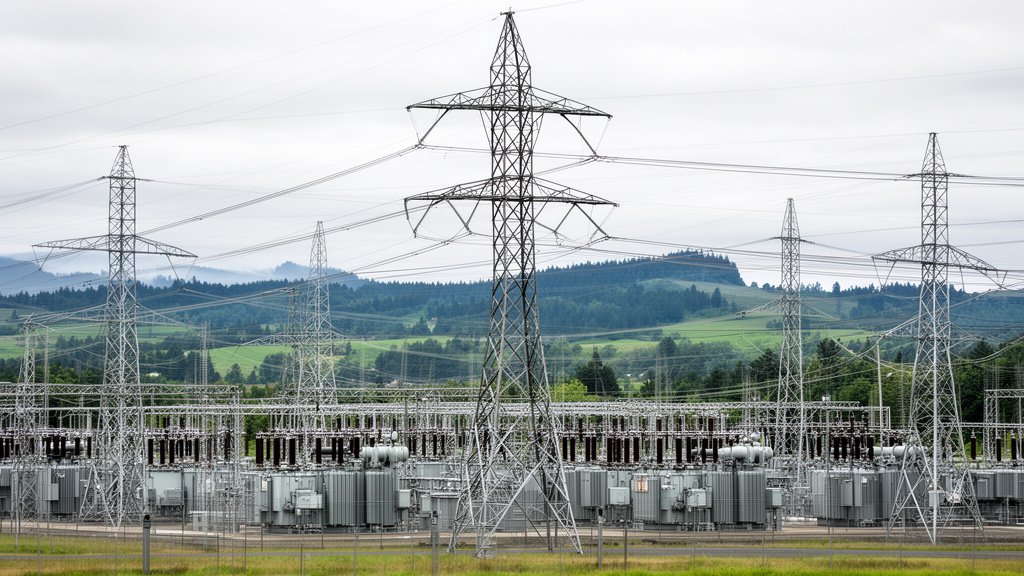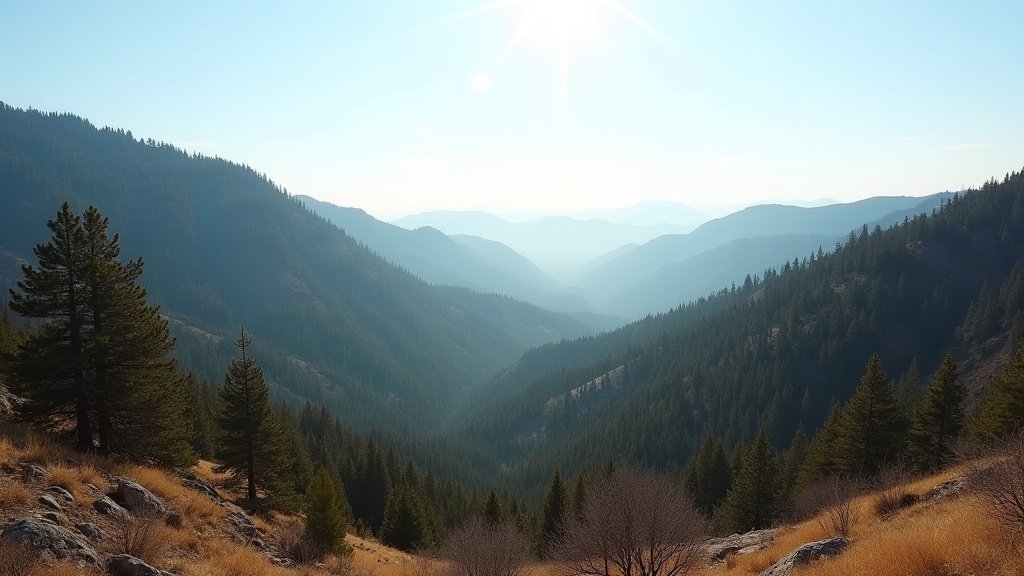
The East Oregonian’s recent editorial package—highlighted by a striking editorial cartoon and supported by a series of rigorous opinion columns—has sparked a necessary conversation regarding the state of Oregon’s political landscape and the physical health of its sprawling forest lands. As the regional discourse centers on the shifting competitiveness of Oregon’s congressional districts, particularly in the sprawling 2nd Congressional District, the parallel narrative of forest management policy continues to demand legislative attention. These topics are not disparate; they represent the duality of Eastern Oregon’s challenge: how to maintain a voice in a centralized state government while managing the vast natural resources that define the region’s economy and ecological safety.
Key Highlights
- Redistricting Realities: Analysis of how the 2020 Census-driven redistricting cycles have altered the power dynamics within Oregon’s congressional delegations.
- Forest Management Crisis: A critical examination of federal and state policies regarding wildfire mitigation, timber harvesting, and the economic sustainability of rural forest-dependent communities.
- The Urban-Rural Divide: The editorial package underscores the growing gap between the Willamette Valley’s legislative priorities and the ground-level needs of Umatilla and Morrow counties.
- Call for Engagement: A push for more robust constituent engagement in federal policy-making to ensure rural interests are not sidelined.
Navigating the Intersection of Policy and Geography
The East Oregonian’s editorial content serves as a bellwether for the frustrations felt across much of rural Oregon. By centering the editorial cartoon on the interplay between congressional boundary lines and the physical forests they encompass, the publication is visually articulating a complex legislative struggle. The core issue is one of representation versus terrain: how can federal policy accurately reflect the needs of a district as geographically diverse as Oregon’s 2nd, which spans the high desert of the east to the dense woodlands of the Cascades, all while facing shifting political headwinds?
The Redistricting Ripple Effect
Following the most recent redistricting cycle, Oregon’s congressional map saw shifts that have rippled through local communities. The 2nd Congressional District, historically a stronghold for rural interests and Republican representation, has faced pressure to adapt to changing demographics and shifting national political narratives. The East Oregonian analysis suggests that the competitiveness of these districts is not merely a statistical game but a fundamental shift in how power is exercised in Washington, D.C.
When districts are redrawn, the immediate impact is often felt in the office of the representative—in this case, Cliff Bentz. The pressure to balance the diverse economic interests of Umatilla County against broader, state-level initiatives creates a tightrope walk for legislators. The editorial package highlights that as districts become more competitive, the nuance of regional issues—like water rights, agricultural policy, and infrastructure—risks being washed out by the tide of nationalized campaign rhetoric.
Forest Management: The Economic and Safety Fulcrum
Perhaps the most pressing policy issue addressed in the recent opinion columns is the state of federal forest management. For the residents of Eastern Oregon, forest policy is not an abstract environmental debate; it is an economic and safety imperative. The management of public lands, largely under the purview of federal agencies like the U.S. Forest Service, directly dictates the health of the local timber economy and, more crucially, the efficacy of wildfire suppression strategies.
Recent policy trends have seen a push-and-pull between environmental preservation mandates and the necessity for active, mechanical forest thinning to mitigate wildfire risks. The East Oregonian editorial package critiques the bureaucratic inertia that often plagues these discussions. There is a palpable tension between the desire for federal environmental protections and the urgent, local need to reduce the fuel loads that have historically fueled catastrophic wildfire seasons across the region. The columns argue that without a localized, common-sense approach to forest management—one that prioritizes proactive maintenance over reactive policy-making—the economic viability of these forest-dependent towns remains in a precarious state.
The Synergy of Representation
The synthesis of the East Oregonian’s editorial stance is clear: the maps that divide our districts and the policies that manage our forests are two sides of the same coin. When a congressional district is competitive, it forces a conversation about the efficacy of current policies. If the political representation is disconnected from the realities of forest management, the result is policy that fails both the environment and the community. By tying these two threads together, the editorial package challenges policymakers to look beyond the ballot box and recognize that the long-term success of the region relies on pragmatic, on-the-ground solutions to the management of Oregon’s most valuable resource.
FAQ: People Also Ask
1. What does the East Oregonian’s editorial cartoon say about current congressional shifts?
The cartoon illustrates the tension between redistricting and the preservation of regional identity, suggesting that shifting political lines often ignore the practical, on-the-ground needs of rural constituencies.
2. Why is forest management so critical to Eastern Oregon’s economy?
Forest management policies dictate timber harvesting rights and wildfire prevention efforts. For rural communities, these policies determine both the local economic output and the safety of the infrastructure and residents from wildfire threats.
3. How does the current redistricting affect the 2nd Congressional District?
The redistricting cycle has necessitated a recalibration of political priorities within the 2nd District, forcing representatives to balance traditional rural interests with a rapidly diversifying state electorate.
4. Where can I read the full opinion columns mentioned in the editorial package?
The full compilation of opinion columns and the editorial cartoon are available in the opinion section of the East Oregonian’s digital and print editions.