As the fog lifts from the coastal valleys and the temperatures stabilize in the high mountains, the Pacific Northwest enters its most photogenic and vibrant phase: late August. This period represents a fleeting, golden window for both locals and travelers to engage with the region’s distinct agricultural heritage and rugged outdoor identity. Whether you are navigating the high-density botanical displays of the Willamette Valley or timing your visit for the opening weeks of the state fair circuit, August in the PNW is defined by abundance.
Botanical Wonders: The Dahlia Peak
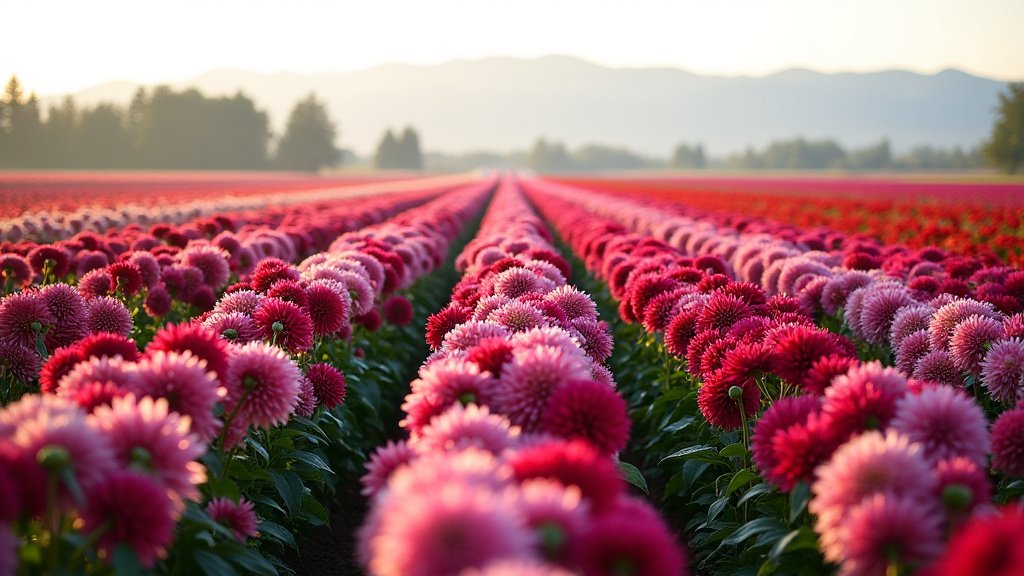
For horticulturists and casual observers alike, the crown jewel of late August in Oregon is undeniably the dahlia bloom. At the forefront of this seasonal event is Swan Island Dahlias, located in Canby, Oregon. As the largest dahlia grower in the United States, Swan Island manages nearly 40 acres of production fields, showcasing over 350 distinct varieties of dahlias. The intensity of color—ranging from deep, velvet burgundies to luminous, pale lavenders—is a direct result of the region’s specific soil composition and the temperate oceanic influence that extends the growing season.
Visiting these fields in late August is critical. By this time, the plants have reached full maturity, providing a dense carpet of blooms that serves as a massive, living laboratory for hybridizers. It is also the ideal time for enthusiasts to participate in “u-pick” events and floral design workshops, which have seen a 15% increase in attendance over the last three years, reflecting a growing consumer interest in agri-tourism and locally sourced floral products. Beyond the visual appeal, these fields act as vital pollinator corridors, supporting local bee populations essential to the Willamette Valley’s broader agricultural health.
The Cultural Circuit: Regional Fairs and Economic Impact
While the fields offer quiet aesthetic beauty, the regional fair circuit provides the loud, energetic pulse of the Northwest in August. The Oregon State Fair, held in Salem, and the various county fairs—such as the Clackamas County Fair—function as essential economic engines for rural communities. These events do more than host livestock auctions and carnival games; they represent the intersection of historical tradition and modern agricultural innovation.
This year, the fair circuit is placing an increased emphasis on “farm-to-table” education, with exhibits detailing the lifecycle of local produce from the Willamette Valley to regional markets. For visitors, this is the prime time to witness the intersection of 4-H programs and professional agricultural displays. Economically, these fairs generate millions in regional revenue, supporting local vendors, artisans, and livestock producers who rely on this short, intense window of high-footfall commerce to sustain operations through the winter months. Smart navigation of these events—specifically visiting on weekday mornings—allows attendees to avoid the peak weekend crowds while still accessing the full slate of exhibitions.
High-Mountain Exploration and Sustainable Recreation
August is also the definitive time for high-altitude exploration in the Cascades. With snowpack finally receding from high-elevation trails, areas like Crater Lake National Park become fully accessible. As the deepest lake in the United States, with a maximum depth of 1,943 feet, Crater Lake in August offers unparalleled visibility. However, the popularity of these sites brings significant pressure on local infrastructure.
Effective August travel in the PNW requires a commitment to sustainable recreation. The principles of “Leave No Trace” are increasingly relevant as visitor traffic to sensitive ecosystems peaks. From the Columbia River Gorge to the rugged beaches of Cannon Beach, the environmental impact of late-summer tourism is a central focus for park management. Experts recommend that travelers prioritize mid-week excursions to lower the density of human impact on trailheads and sensitive riparian zones. By diversifying your travel schedule away from the traditional Saturday-Sunday window, you not only improve your personal experience but also contribute to the long-term preservation of the landscapes that make the PNW a world-class destination.
Secondary Angles: Future-Proofing Our Seasons
Looking ahead, the predictability of these August events is increasingly linked to climate variability. The shifting heat waves of the last decade have forced many agricultural organizers to implement advanced irrigation techniques and schedule fair events to coincide with slightly cooler evening hours. Furthermore, the future of outdoor recreation will likely depend on permit systems to manage capacity, a trend already visible in many high-traffic national parks. Travelers should expect a shift toward “reservation-based tourism” as a standard feature, ensuring that the ecological integrity of our shared wild spaces is maintained for future generations.