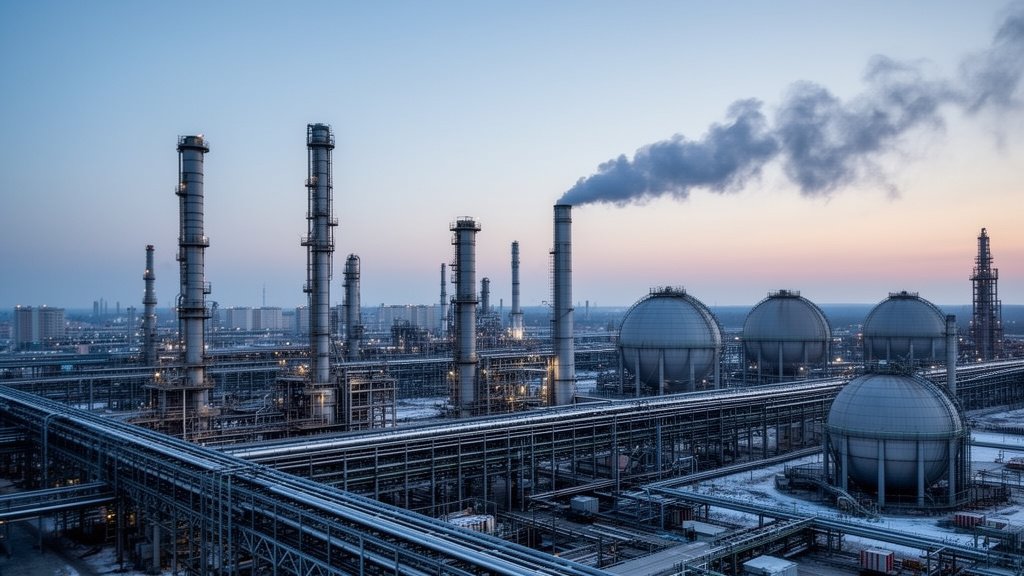
Moscow officials have confirmed a staggering aerial assault on the Russian capital, describing the event as the “largest ever” drone attack on the city. Ukraine, in a significant shift in strategic tactics, deployed approximately 1,000 drones in a coordinated maneuver aimed at critical energy infrastructure. The operation, which reverberated across the Moscow skyline, resulted in confirmed damage to a major oil refinery and has left the Kremlin scrambling to assess the security ramifications of such a saturation-level strike. Tragically, the barrage also claimed the lives of two civilians, marking a grim escalation in the ongoing conflict.
Key Highlights
- Unprecedented Scale: Moscow authorities officially characterized the offensive as the largest drone attack in the history of the conflict.
- Saturation Tactics: Ukraine utilized an estimated 1,000 drones to overwhelm defensive positions, a shift from previous smaller, targeted strikes.
- Critical Infrastructure Hit: A significant oil refinery was damaged during the attack, threatening Russian energy output and operational stability.
- Civilian Toll: The strikes resulted in two confirmed civilian deaths, bringing the humanitarian cost of the escalation into sharp focus.
The Strategic Shift: Asymmetric Warfare at Scale
The sheer volume of drones deployed—estimated at 1,000 units—signals a pivot in Ukrainian military strategy. By utilizing saturation tactics, Ukraine is attempting to bypass traditional Russian air defense systems, which are typically designed to detect and intercept smaller groups of aerial threats. This development forces the Russian military to rethink its defensive perimeter, particularly around the capital and vital industrial zones.
Targeting the Energy Spine
The deliberate focus on a major oil refinery is not merely a tactical choice; it is a calculated economic blow. Energy production remains the bedrock of the Russian economy, and by targeting refining capabilities, Ukraine is aiming to constrain the domestic fuel supply and reduce export revenues that sustain the state’s war effort. Previous, smaller strikes were often interpreted as nuisance attacks; however, this latest operation demonstrates a capability to penetrate deep into Russian territory and strike the ‘central nervous system’ of the nation’s infrastructure. The logistical challenge of coordinating such a high number of drones suggests significant advancements in swarm technology, GPS-denied navigation, and autonomous targeting, posing a persistent long-term threat to Russian domestic security.
The Human Cost and Escalation
While the military and economic targets are clear, the tragedy on the ground cannot be ignored. The death of two civilians underscores the unpredictable nature of drone warfare in densely populated areas. As projectiles are intercepted by air defense systems, debris often falls onto residential neighborhoods, leading to collateral damage that complicates the moral and political narrative of the conflict. This incident is likely to increase domestic pressure on the Kremlin to provide more robust protection for its citizens, potentially diverting resources from the front lines to domestic air defense.
The Future of Aerial Interdiction
Looking ahead, this attack creates a new baseline for the conflict. If Ukraine can sustain the deployment of hundreds of drones simultaneously, Russian air defense networks—already stretched thin—may face a breaking point. We are witnessing the maturation of ‘cheap’ aerial warfare, where the cost of the offensive technology is vastly lower than the cost of the defensive interceptors required to stop them. This economic mismatch is forcing a paradigm shift in modern military doctrine. Russia must now decide whether to invest heavily in electronic warfare (jamming), physical defense batteries, or pursue a policy of retaliatory strikes that mirror this new reality. The era of localized frontline conflict appears to be ending, replaced by a theater that includes the persistent, deep-strike capability of autonomous systems against the industrial heartland.
FAQ: People Also Ask
Q: How was the ‘1,000 drone’ figure verified?
A: Moscow officials described the incident as the ‘largest ever’ attack on the capital, and intelligence reports and local monitoring stations have corroborated the massive scale of the swarm, noting the duration and density of the aerial activity.
Q: Why are oil refineries being targeted?
A: Refineries are critical nodes for processing crude oil into fuel. Damaging them disrupts the domestic supply chain, negatively impacts the Russian budget, and forces the military to divert fuel resources, making them a high-value strategic target in the economic war.
Q: Will this escalation change the nature of the conflict?
A: The shift toward using 1,000-drone swarms suggests a transition from tactical, battlefield-focused engagements to persistent, strategic deep-strikes on infrastructure, potentially lengthening the conflict and broadening the scope of the theater to include major Russian cities.