The Oregon State Parks and Recreation Commission has officially sanctioned the $2 million acquisition of Abiqua Falls, marking a decisive shift in the stewardship of one of the state’s most photogenic and ecologically sensitive landmarks. This strategic purchase represents the culmination of prolonged discussions regarding the site’s future, as authorities move to address long-standing concerns regarding public access, safety, and environmental degradation. The Commission’s approval paves the way for a transition that promises to replace informal, often unregulated usage with a structured public park management model, involving key stakeholders from the local and state levels.
Key Highlights
- Financial Commitment: The Oregon State Parks and Recreation Commission approved a $2 million purchase price for the acquisition of Abiqua Falls.
- Development Deadline: Commission staff are mandated to report back in November with a comprehensive roadmap detailing future site development and operational management.
- Collaborative Stewardship: The acquisition is a cooperative effort, integrating the expertise and resources of Marion County and the Oregon Department of Forestry.
- Transition Strategy: The state is actively preparing to bring the site up to public park standards, ensuring that trail conditions, signage, and safety infrastructure meet state requirements before the final transaction closes later this year.
Transforming Stewardship: The Path to Public Management
The decision to acquire Abiqua Falls is not merely a land transaction; it is a fundamental shift in how one of Oregon’s most iconic, yet challenging, natural assets is managed. For years, Abiqua Falls has existed in a precarious state—a social media-driven tourism hotspot lacking the infrastructure necessary to handle high traffic volumes. By bringing the falls under the umbrella of the Oregon State Parks and Recreation Commission, the state aims to mitigate the environmental impact while providing a sustainable experience for visitors.
The Strategic Significance of the Acquisition
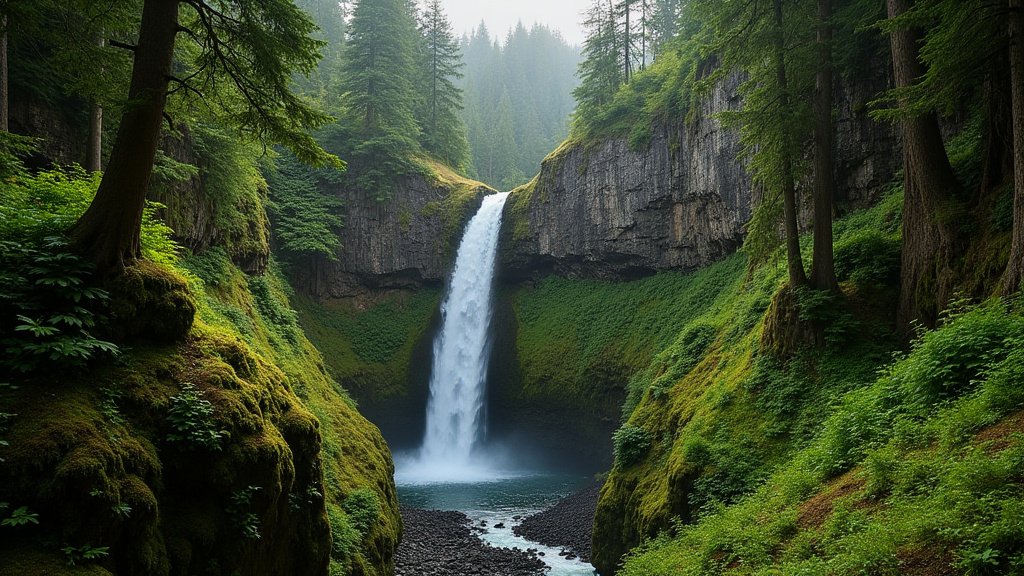
The $2 million price tag reflects the site’s immense cultural and ecological value. The waterfall, located in a rugged, basalt-walled canyon, has become a flashpoint for debate regarding “over-tourism” in rural Oregon. Previously, the land was managed under a patchwork of private arrangements that often struggled to keep pace with the influx of hikers. By transitioning to state ownership, the site will benefit from the Oregon State Parks and Recreation Commission’s extensive experience in managing high-traffic natural areas. This allows for the implementation of unified regulations, professional trail maintenance, and consistent enforcement of safety protocols that are currently absent.
Collaborative Governance: The Power of Partnership
A cornerstone of this acquisition is the deliberate inclusion of local and regional partners. The Oregon State Parks and Recreation Commission is not acting in isolation; the involvement of Marion County and the Oregon Department of Forestry is essential for a holistic management approach. Marion County brings necessary local oversight and connections to emergency services, while the Oregon Department of Forestry provides critical expertise in land management, fire prevention, and forest health. This multi-agency approach ensures that the management plan developed by November will not just focus on tourism, but also on the long-term biological health of the Abiqua Creek watershed.
The November Mandate: A Plan for the Future
The Commission’s directive to return in November with a comprehensive development plan creates a tight but necessary timeline. The coming months are critical. During this phase, agency planners must navigate complex logistical challenges, including trail hardening, the installation of safety barriers, and the establishment of parking solutions that minimize the impact on local residents and the surrounding environment. The November report will be the blueprint for the transformation of Abiqua Falls, providing a detailed look at how the state intends to balance accessibility with the imperative of conservation. Stakeholders are particularly focused on the timeline for final closure of the transaction, which is expected to occur later this year, assuming the planning phases remain on track.
Managing the Human Element: Safety and Access
One of the primary drivers of this acquisition is public safety. The terrain leading to Abiqua Falls is notoriously steep, slippery, and challenging. In recent years, search and rescue teams have been frequently deployed to assist injured hikers. The transition to a formal state park classification allows for the installation of proper warning signage, standardized trail marking, and potentially, the construction of improved trail segments. This is a critical investment in public safety, shifting the burden from reactive emergency services to proactive risk management. The new management plan will likely address how to educate the public about the inherent dangers of the canyon, ensuring that visitors are prepared for the physical demands of the trail.
Environmental Preservation and Conservation
Beyond human traffic, the canyon is a sensitive ecosystem. The damp, shaded environments surrounding Abiqua Falls support unique plant species and delicate habitat for native wildlife. Unregulated “social trails” have carved scars into the hillside, leading to erosion and the destruction of ground cover. Part of the state’s management strategy will involve the restoration of these damaged areas. By funneling foot traffic onto designated, sustainable paths, the state can prevent further degradation. The upcoming November plan is expected to outline specific restoration projects, demonstrating a commitment to protecting the very beauty that draws visitors to the falls in the first place.
FAQ: People Also Ask
When will Abiqua Falls officially become a state park?
While the Commission has approved the acquisition, the transaction is slated to close later this year. A more specific timeline for public access and official “park” designation will be clarified in the November planning report.
Will the $2 million price tag impact other state park budgets?
The Oregon State Parks and Recreation Commission operates under a dedicated funding model. The $2 million is an investment from capital improvement and acquisition funds specifically allocated for expanding the state’s park system, ensuring that existing park maintenance is not compromised.
How will this change my visit to the falls?
Future visitors should expect a more structured experience. This will likely include designated parking, improved trail markings, and potential regulations on group sizes or permits to prevent overcrowding and environmental damage.
Who is involved in the management of the new site?
The project is a collaborative effort between the Oregon State Parks and Recreation Commission, Marion County, and the Oregon Department of Forestry, ensuring a comprehensive approach to safety, accessibility, and land health.