As of September 23, 2026, the Hagen Fire, which has significantly impacted the landscape across Umatilla and Union counties, has reached a critical milestone of 93% containment. Having scorched a total of 61,380 acres, the incident has transitioned from an active suppression effort to a complex phase of fire line remediation, soil stabilization, and infrastructure repair. Despite the containment success, officials have confirmed that the emergency forest closure area will remain in effect until at least December 1, 2026, citing significant ongoing hazards within the burn perimeter.
Key Highlights
- Containment Status: The Hagen Fire has reached 93% containment after an extensive weeks-long suppression effort.
- Total Impact: Approximately 61,380 acres of forestland in Umatilla and Union counties have been affected by the blaze.
- Operational Shift: Incident teams are currently pivoting from fire suppression to critical remediation, including soil stabilization and road repair.
- Closure Duration: Emergency forest closures remain in effect for the safety of the public and recovery crews until December 1, 2026.
The Shift from Suppression to Remediation
With the Hagen Fire effectively stalled and the vast majority of the fire perimeter secured, the Incident Management Team has signaled a pivotal change in operational strategy. For the past several weeks, the primary objective has been the direct containment of the fire, protecting residential structures, and preventing further spread through aggressive air and ground support. Now, as the fire enters its containment phase, the focus shifts to a process known as ‘fire line remediation.’
Understanding Fire Line Remediation
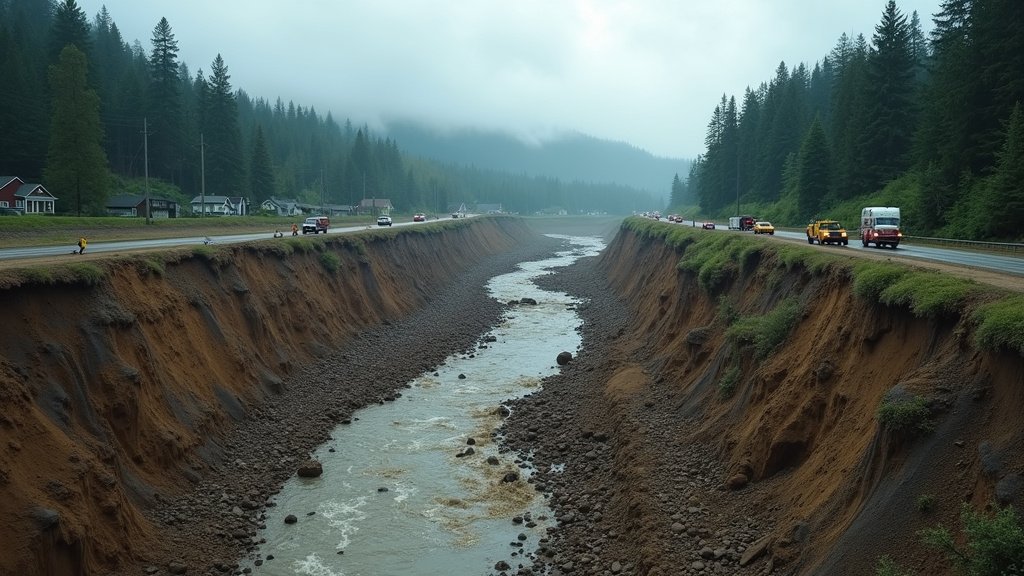
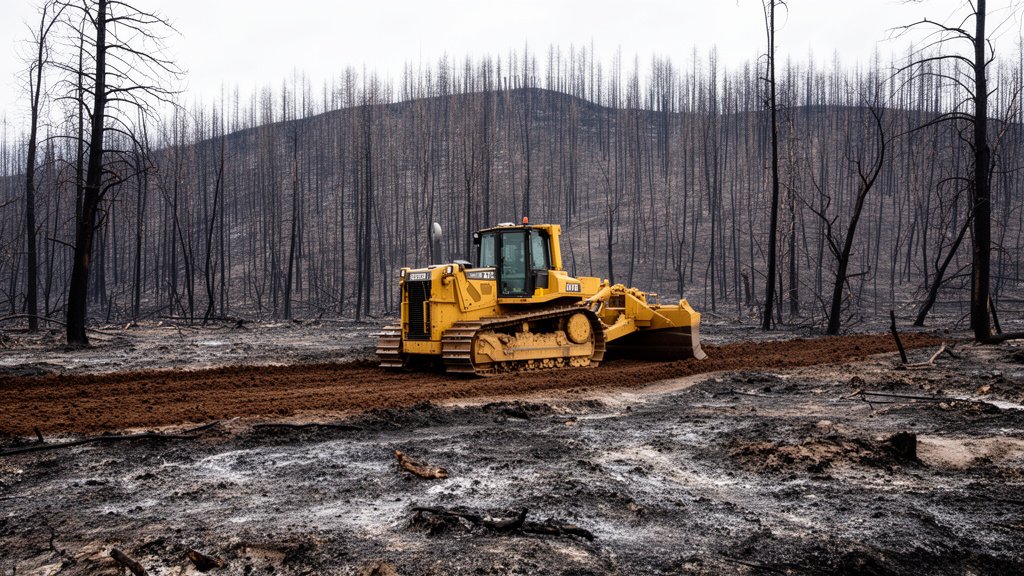
Fire line remediation is a vital step in environmental stewardship following a significant wildfire. During the height of the blaze, fire crews often construct ‘hand lines’ and ‘dozer lines’—strips of land cleared of all vegetation down to the mineral soil to halt the fire’s progress. While these lines are essential for containment, they leave deep scars on the landscape. Remediation teams are now tasked with re-contouring these lines to match the natural slope of the terrain, scattering debris to prevent water runoff, and restoring the land to mitigate long-term erosion. This work is not merely cosmetic; it is a structural necessity to prevent landslides and protect watersheds in Umatilla and Union counties during the upcoming wet season.
Infrastructure and Road Repair
Beyond soil stabilization, the incident teams are focusing heavily on road infrastructure. Throughout the suppression efforts, forest service roads were utilized as critical arteries for heavy equipment, water tenders, and fire crews. The traffic, combined with the heat of the fire, has damaged several access points. Repairing these roads is essential not only for internal forest management but also for ensuring safe access for utility crews who must inspect transmission lines and communication infrastructure that may have been compromised during the incident. Clearing debris, such as fallen trees and rolling boulders, remains a high-priority task for heavy machinery operators working within the closed zones.
The Danger of Hazard Trees
One of the primary reasons for the extended closure until December 1 is the prevalence of ‘hazard trees.’ Even though the flames have been extinguished, the fire has weakened the root systems of thousands of trees, particularly on steep slopes. These trees—many of which remain standing—can fall without warning due to wind, gravity, or minor shifts in the ground. For hikers, hunters, and local residents, these falling hazards present a life-threatening risk. The extended closure allows the Forest Service to conduct detailed hazard tree assessments and mitigate these risks along primary and secondary trails and roads before the forest can be safely reopened to the public.
Ecological and Economic Considerations
The 61,380-acre burn represents a significant impact on the regional ecosystem. The loss of canopy cover and understory vegetation creates a ‘new normal’ for the affected sections of Umatilla and Union counties. Botanists and wildlife biologists are beginning initial assessments to determine the recovery trajectory of the area. In the short term, this closure serves as a ‘cooling-off’ period for the forest floor, allowing the land to stabilize without the pressure of recreational traffic, which could otherwise introduce invasive species into the exposed, ash-covered soil. Economically, the region is bracing for the impact of restricted access, particularly for local industries that rely on forest use, though the safety of the public remains the paramount concern cited by county officials.
FAQ: People Also Ask
Q: Why is the forest still closed if the fire is 93% contained?
A: While the fire is largely contained, the area remains dangerous due to ‘hazard trees’ that are at risk of falling, potential rockfalls on slopes, and heavy equipment moving through the area for remediation work. The December 1 date is a safety buffer.
Q: What is fire line remediation?
A: It is the process of restoring the landscape after a fire. This includes smoothing out dozer lines, stabilizing soil to prevent erosion, and ensuring that natural water drainage patterns are restored to protect the watershed.
Q: Are homes still at risk from the Hagen Fire?
A: With 93% containment, the immediate threat to residential structures has significantly decreased. Most resources are now focused on land repair rather than structural defense.
Q: When will the forest be fully open again?
A: The official emergency closure is currently set through December 1, 2026. This timeline is subject to change based on weather conditions, the speed of repair work, and the success of safety hazard mitigation.