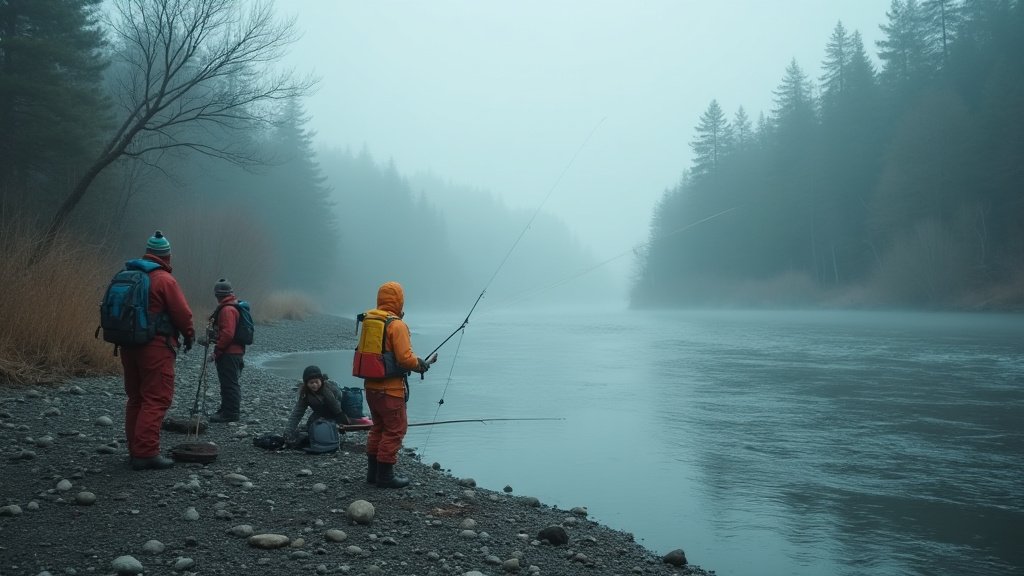
Mark your calendars for an open-access outdoor experience: the Oregon Department of Fish and Wildlife (ODFW) has officially announced that Oregon’s Free Fishing Days will return on November 27–28, 2026. During this two-day window, anglers and shellfish gatherers are permitted to fish, crab, and clam in public waters throughout the state without the requirement of a standard angling license, tag, or validation. This annual initiative is designed to remove financial barriers and encourage families and individuals to connect with the state’s diverse aquatic ecosystems during the Thanksgiving holiday, providing a unique opportunity to explore Oregon’s rivers, lakes, and coastal waters.
Key Highlights:
- Dates: November 27–28, 2026.
- Access: No fishing licenses, tags, or endorsements required for fishing, crabbing, or clamming.
- Compliance: All other regulations—including daily catch limits, size restrictions, and area closures—remain strictly enforced.
- Availability: Applies to all public waters in Oregon open to fishing, crabbing, and clamming.
Oregon’s Holiday Angling Opportunity: A Guide to Responsible Participation
The ODFW’s decision to designate November 27–28 as Free Fishing Days is part of a broader mission to bolster outdoor recreation recruitment and retention. By waiving the prerequisite fees for licenses and specific endorsements, the state hopes to encourage seasoned anglers to take out friends and family members who might otherwise be deterred by the costs associated with licensure. However, while the financial barriers are lifted, the regulatory framework governing the state’s fish and wildlife populations remains unchanged. Understanding these nuances is essential for anyone planning to head out on the water.
Navigating the Regulatory Landscape
It is imperative that participants understand the distinction between a ‘license-free day’ and a ‘regulation-free day.’ The waiver applies exclusively to the administrative fees associated with the licenses themselves. All conservation-based regulations are strictly enforced.
For those targeting salmon or steelhead, this means that even if you are exempt from the license requirement, you must still adhere to the daily bag limits and, if applicable, specific gear restrictions for those species. Similarly, for those heading to the coast to crab or clam, the standard protocols regarding tool usage, minimum size requirements for Dungeness or Red Rock crab, and seasonal closure areas remain active. The Oregon State Police and ODFW field staff will continue to patrol waterways to ensure that these conservation measures—which are designed to sustain fish populations for future generations—are upheld. Before heading out, it is highly recommended that participants consult the official ODFW Oregon Sport Fishing Regulations booklet or the agency’s online ‘What’s Open’ tool to ensure their chosen destination is not currently closed for conservation purposes.
Planning Your Trip: From Mountain Lakes to Coastal Waters
Oregon’s geography offers a distinct advantage for anglers during the late November window. In the interior, many high-elevation lakes may be subject to inclement weather, but lowland rivers and ponds often provide excellent opportunities for trout and bass. On the coast, the focus often shifts toward crabbing and clamming.
For those new to the sport, Free Fishing Days serve as an ideal entry point to learn about ethical angling. The ODFW emphasizes ‘catch and release’ practices for non-target species and encourages the use of barbless hooks to minimize injury to fish. Additionally, checking tide charts is non-negotiable for coastal activities; crabbing is most productive during the slack tide, and clamming can only be performed safely during low tide windows. Preparing for the unpredictable Oregon weather is equally important; layering waterproof gear is the gold standard for late November, as cold temperatures can lead to hypothermia if safety precautions are ignored.
The Broader Impact: Economics and Stewardship
Beyond the immediate thrill of the catch, these days represent an economic and social investment in the state. By fostering a culture of outdoor stewardship, the ODFW hopes to cultivate a community of anglers who are invested in the health of Oregon’s watersheds.
1. Economic Vitality: Small coastal towns and local bait-and-tackle shops often see a surge in activity during these holiday weekends. Providing a license-free entry point acts as a stimulus for local commerce, encouraging tourism and spending in rural economies that rely on seasonal visitors.
2. Environmental Stewardship: Exposure to the outdoors is the primary predictor of future environmental conservation advocacy. By removing the initial barrier to entry, the ODFW is essentially creating the next generation of conservationists who understand the importance of habitat protection, clean water, and sustainable wildlife management.
3. Future Trends: As technology integrates further into wildlife management—such as real-time tracking of water quality and fish counts—the data gathered from increased participation on Free Fishing Days helps biologists understand the pressure on various fisheries. This ‘crowdsourced’ observational data is invaluable for long-term species management strategies, ensuring that Oregon remains a premier destination for anglers for decades to come.
FAQ: People Also Ask
Do I need to be a resident of Oregon to take advantage of these free days?
No. The ODFW Free Fishing Days apply to both residents and non-residents. Everyone is welcome to fish, crab, and clam without a license on these specific dates.
Are there any exceptions to the ‘all regulations apply’ rule?
No. While the license is waived, the rules regarding the number of rods you can use, daily bag limits, size limits for shellfish, and area closures remain exactly the same as they would on any other day of the year.
Do children need a license even on regular days?
In Oregon, children under the age of 12 do not require a fishing license for most activities, though they are still subject to all other regulations. During Free Fishing Days, this policy extends to adults who would normally be required to hold a license.
What should I do if I catch a species that is not in season?
Regardless of whether you are fishing on a license-free day, you must immediately release any fish or shellfish that is out of season, protected, or does not meet size requirements, with the minimum amount of injury possible.