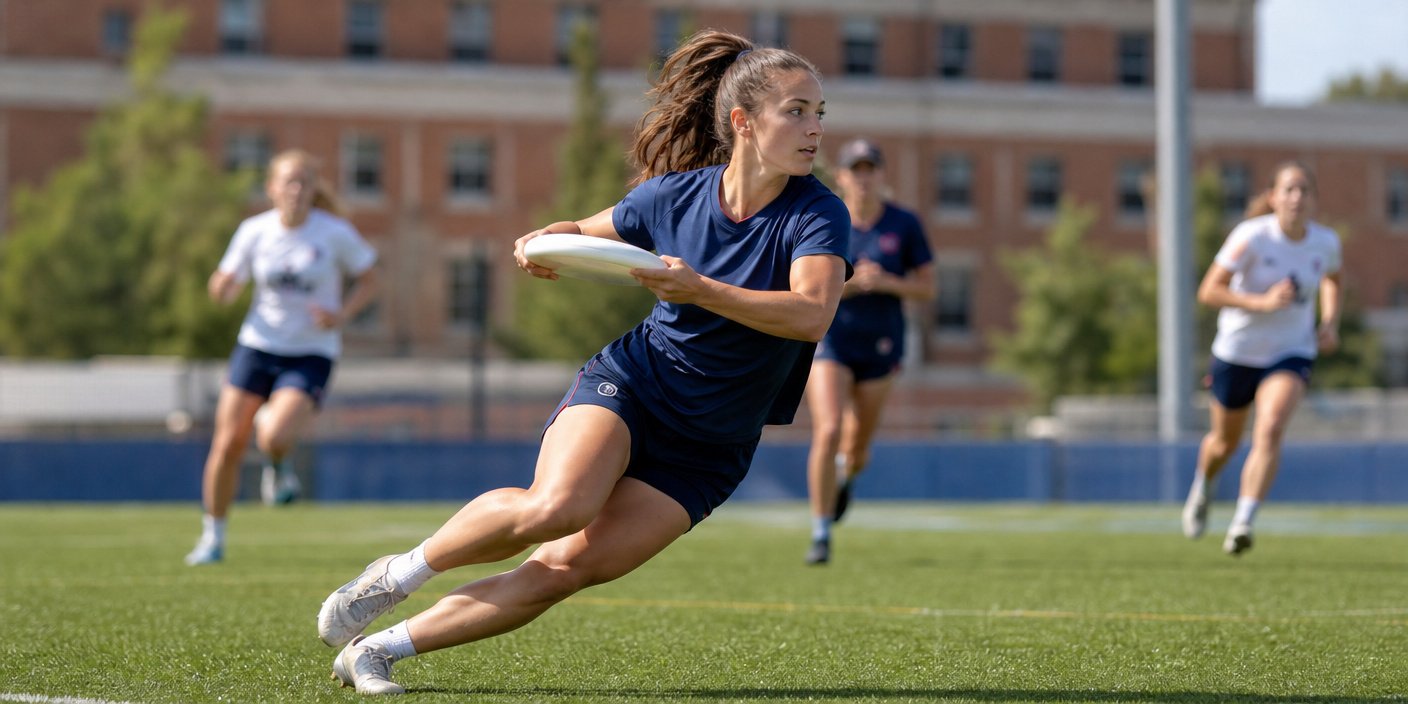
On the turf of a competitive Ultimate Frisbee field, Cami Potter is a blur of kinetic energy. As a standout for the Oregon State Dinos, she executes sharp pivots, strategic cuts, and high-intensity sprints with the precision of a seasoned collegiate athlete. Yet, for Potter, the opponent is not merely the opposing team’s defense. Behind the athletic performance lies a continuous, invisible battle: managing Type 2 Narcolepsy. While her teammates focus on the tactical layout of the disc, Potter is simultaneously managing a complex neurological condition that dictates her body’s ability to stay awake and alert.
Key Highlights
- Athletic Excellence: Cami Potter competes at a high collegiate level for the Oregon State Dinos, proving that neurodivergent conditions do not preclude elite physical performance.
- Managing Type 2 Narcolepsy: Unlike Type 1, which includes cataplexy, Type 2 presents as excessive daytime sleepiness (EDS) and sleep attacks, requiring strict management of wakefulness agents and behavioral protocols.
- Advocacy Through Action: Potter’s journey serves as a blueprint for student-athletes managing invisible disabilities, emphasizing the importance of institutional support and rigorous personal discipline.
- The ‘Spirit of the Game’: The unique nature of Ultimate Frisbee, with its emphasis on self-officiating and mutual respect, creates a supportive environment for players balancing health challenges.
The Unseen Intensity: Balancing Neurology and Athletics
For most collegiate athletes, the stressors of a season are limited to training cycles, nutrition, and academic loads. For Cami Potter, the stakes are physiologically magnified. Type 2 Narcolepsy is a chronic neurological disorder that disrupts the brain’s ability to regulate sleep-wake cycles. While the public often mischaracterizes narcolepsy as simply “falling asleep,” the reality is far more nuanced and disruptive, involving severe sleep inertia, cognitive fog, and the constant threat of uncontrollable daytime drowsiness.
Competing in a sport like Ultimate Frisbee—which is defined by rapid, high-intensity anaerobic bursts and intense cardio—requires peak cognitive function and immediate reaction times. Potter’s ability to thrive on the Dinos roster requires a level of discipline that extends far beyond the field. She utilizes a carefully curated regime of medication, naps, and energy management to ensure that when the disc is in the air, she is fully present.
The Physiology of the Performance
The medical management of Narcolepsy in sports is an under-discussed intersection of endocrinology and performance science. Athletes like Potter often work in tandem with specialists to time their medication—frequently wakefulness-promoting agents—to coincide with practice sessions and games. However, medication is only one piece of the puzzle.
Dietary habits play a crucial role. Heavy meals, which can trigger post-prandial sleepiness, are carefully avoided before games. Hydration strategies are recalibrated to support sustained alertness. The “Dinos” culture, known for its tight-knit community, has become a vital support network. In the world of Ultimate, where the “Spirit of the Game” mandates fair play and communication, Potter has found a team culture that prioritizes empathy alongside athletic output.
Breaking the Stigma of ‘Invisible’ Conditions
The broader implications of Potter’s story touch upon the evolution of collegiate athletics. For years, “invisible disabilities”—conditions that are not immediately apparent to observers, such as narcolepsy, chronic fatigue syndrome, or autoimmune disorders—have been sidelined in the narrative of the “tough” athlete. By competing at a high level while being open about her diagnosis, Potter challenges the traditional archetypes of what a student-athlete looks like.
Her journey highlights the need for better accommodations in NCAA-adjacent programs. It raises a critical question for athletic departments: how do we support students whose conditions fluctuate in visibility? Potter’s openness has sparked conversations within her local ultimate community, effectively destigmatizing a condition that is often misunderstood by coaches and peers alike.
The Future of Adaptive Collegiate Sports
Looking forward, the success of athletes navigating chronic conditions suggests a potential shift in how collegiate sports medicine functions. We are seeing a move toward holistic athlete care, where mental health and neurological wellness are integrated into physical training regimens.
1. Integration of Sleep Science: Future athletic training programs may begin to view sleep not just as recovery, but as a performance pillar that requires precise medical management for those with diagnosed sleep disorders.
2. Policy Shifts: As more athletes like Potter come forward, university sports programs will likely face pressure to standardize accommodations for chronic, non-visible conditions, ensuring that training schedules and travel protocols are inclusive.
3. Psychological Resilience: The mental fortitude required to manage a chronic illness alongside academic and athletic pressure is a form of cognitive training. These athletes often develop superior time management and self-awareness skills, which transfer directly to their professional lives post-graduation.
Ultimately, Cami Potter’s tenure with the Dinos is a testament to the fact that limitations are often defined by perception. By refusing to let narcolepsy dictate the terms of her engagement, she has not only continued her athletic career but has become a beacon for others navigating the complex path of competitive sports with chronic health challenges.
FAQ: People Also Ask
1. What is the difference between Type 1 and Type 2 Narcolepsy?
Type 1 Narcolepsy is characterized by excessive daytime sleepiness and cataplexy (a sudden loss of muscle tone often triggered by strong emotion). Type 2 Narcolepsy involves excessive daytime sleepiness without the presence of cataplexy. Both require clinical management of sleep-wake cycles.
2. How does Cami Potter manage her condition during tournament play?
While specific medical details are private, managing narcolepsy in high-activity sports generally involves scheduled medication, strict sleep hygiene routines, frequent strategic napping (power naps) between matches, and careful monitoring of dietary triggers that can induce lethargy.
3. Is Ultimate Frisbee a recognized collegiate sport?
Yes, Ultimate Frisbee is played widely at the collegiate level, with many universities like Oregon State maintaining highly competitive club teams. These teams operate under the governance of USA Ultimate, which coordinates national-level championship series.
4. Does narcolepsy affect physical strength or coordination?
Narcolepsy primarily affects the regulation of sleep and wakefulness, rather than muscle strength or coordination directly. However, the secondary symptoms—such as sleep inertia, cognitive fatigue, and lapses in alertness—can indirectly impact reaction time and strategic decision-making on the field.