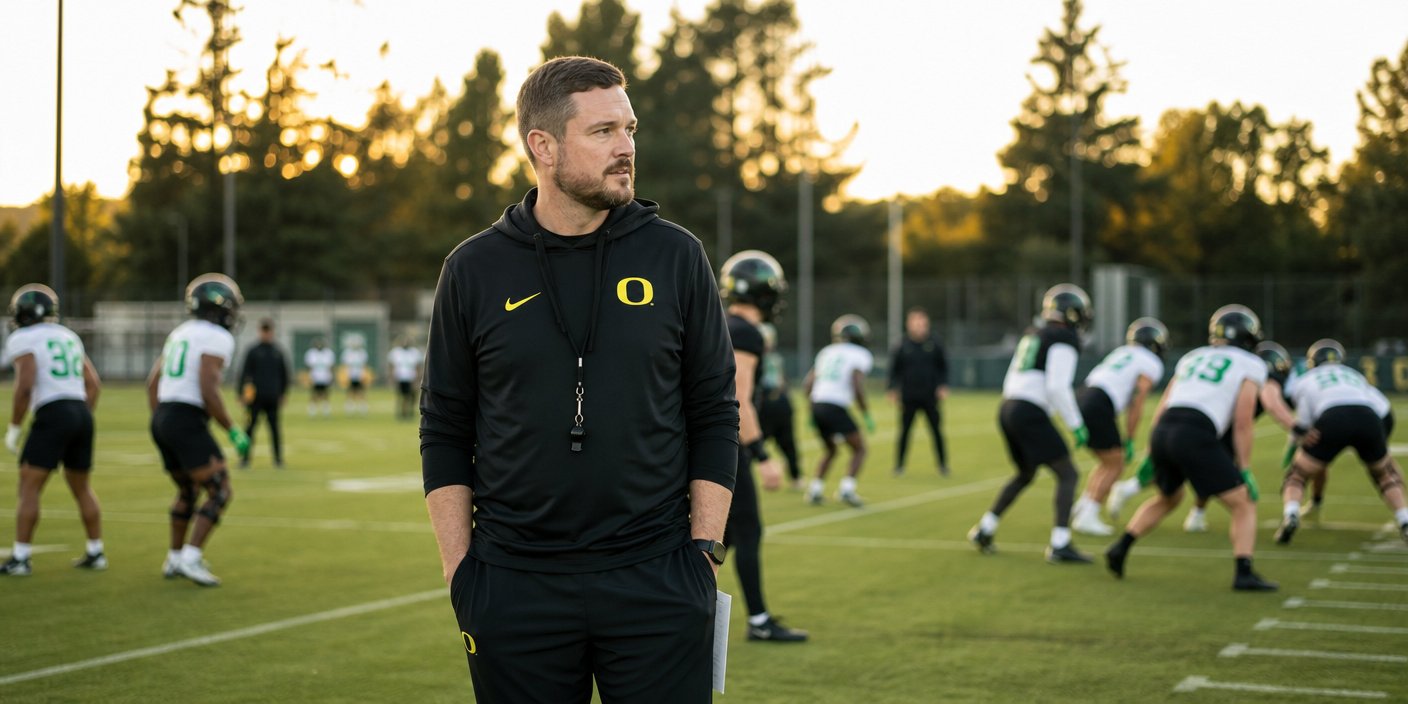
The landscape of the college football season shifted violently this week as the latest AP Top 25 poll was unveiled, crowning the Texas Longhorns as the new No. 1 team in the nation. This seismic move follows a weekend of chaotic results, most notably the Oregon Ducks’ unexpected 15-spot freefall to No. 21 after a gut-wrenching upset defeat at the hands of the Oklahoma State Cowboys. While Texas has demonstrated clinical precision throughout their campaign, the sudden vulnerability shown by Oregon has ignited intense debate among analysts, bettors, and fans regarding the fragile nature of playoff positioning in the current collegiate era.
Key Highlights
- Texas Ascends: The Longhorns have officially claimed the No. 1 ranking in the AP Top 25 poll, reflecting their dominant performance and consistent execution on both sides of the ball.
- Oregon’s Dramatic Fall: Following an upset loss to Oklahoma State, the Ducks plummeted 15 positions, dropping from near-top contention to the No. 21 spot.
- Poll Volatility: The shakeup illustrates the heightened stakes of the mid-season schedule, where a single loss can fundamentally alter a program’s post-season trajectory.
- Playoff Implications: With the College Football Playoff looming, the margin for error has effectively vanished for top-tier contenders, placing increased pressure on high-ranked teams.
The Great Gridiron Realignment: Analyzing the Power Shift
The most recent AP Poll update serves as a stark reminder of the volatility inherent in modern college football. For programs like the Texas Longhorns, the ascent to the top represents the culmination of a deliberate, sustained effort to build a roster capable of dominating the trenches and exploiting secondary matchups. Conversely, the Oregon Ducks’ precipitous drop from the upper echelon to No. 21 serves as a cautionary tale—a singular, multifaceted breakdown on the field can undo weeks of painstaking progress in the eyes of voters and selection committees alike.
The Anatomy of the Longhorns’ Ascent
Texas’ climb to No. 1 is not merely a result of others failing; it is a testament to the Longhorns’ offensive versatility and defensive discipline. Throughout the season, Texas has navigated a demanding schedule with a level of poise that separates championship contenders from mere bowl participants. Their ability to adapt mid-game, coupled with a high-efficiency passing attack that forces defenses into impossible choices, has made them a statistical darling for the AP poll voters. By prioritizing red-zone efficiency and turnover margin, the Longhorns have managed to keep their metrics elite, providing a solid foundation for their current standing.
The Oregon Collapse: A Tactical Breakdown
To understand why Oregon fell 15 spots, one must look at the nature of their loss to Oklahoma State. It was not just the final score, but the manner in which the Ducks were neutralized. Oregon’s offense, typically a high-tempo juggernaut, found itself stifled by Oklahoma State’s aggressive, heavy-blitz defensive scheme. For voters, this revealed a potential structural weakness in the Ducks’ game plan: an inability to adapt when their preferred rhythm is disrupted. When a team ranked in the top five loses to an unranked or lower-ranked opponent in a manner that suggests fundamental tactical flaws, the AP poll voters historically react with a severe correction. Dropping to No. 21 is a reflection of that loss of confidence in their current status as a true championship contender.
Secondary Angles: The Future of the Season
The Strength of Schedule Paradox
One of the most persistent discussions following this shakeup is the “Strength of Schedule” (SOS) argument. As Texas claims the top spot, detractors will inevitably point to the remaining schedule, questioning whether their ascent is supported by a robust list of wins or merely the absence of a loss. In modern college football, the “eye test” and metrics like SOR (Strength of Record) are increasingly at odds. As the season progresses, Texas will need to continue winning convincingly against ranked opponents to validate their No. 1 status, particularly as voters begin to look for flaws in their defensive consistency.
The Psychological Toll on the Ducks
From a sports psychology perspective, a 15-spot drop is devastating. Oregon is now faced with the task of rebuilding their morale while simultaneously preparing for a late-season push to salvage their reputation. The question for Oregon’s coaching staff is whether this humiliation acts as a rallying cry or a sign of an unraveling season. Historically, teams that suffer such a significant mid-season drop struggle to regain the focus required to run the table. The coming weeks will be a true test of leadership within the Oregon locker room.
The Changing Nature of Polls
Finally, this week’s AP rankings highlight the transition from subjective media-driven polls to more data-heavy evaluations. As the College Football Playoff expands, the weight placed on the AP Poll has shifted. It is no longer just a weekly narrative device; it is a primary indicator of how the eventual committee will view these programs. The volatility we see this week is a direct result of that heightened pressure. Voters are no longer just ranking teams; they are handicapping the postseason, meaning every drop-off is magnified and every ascent is scrutinized for legitimacy.
As we look ahead, the college football landscape remains in a state of flux. While Texas holds the throne, the gap between No. 1 and the rest of the pack has never felt thinner. The upcoming slate of games will likely provide even more surprises, ensuring that this week’s rankings are likely just a temporary snapshot in an unpredictable and relentless pursuit of the national title.
FAQ: People Also Ask
Q: Why did Oregon drop so far after just one loss?
A: In the AP Top 25, a loss to an unranked or significantly lower-ranked team is weighted heavily. When a top-tier program loses, voters often over-correct, assuming the team’s initial high ranking was inflated, leading to a drastic slide.
Q: Does Texas’ new No. 1 ranking guarantee them a spot in the playoffs?
A: While it puts them in an excellent position, it is not a guarantee. With several high-stakes matchups remaining, Texas must continue to maintain its momentum to secure a definitive playoff berth.
Q: How do AP voters determine the rankings each week?
A: AP voters are comprised of sports journalists who consider a variety of factors, including win-loss records, strength of schedule, head-to-head results, and overall team performance metrics throughout the season.
Q: Could Oregon still climb back into the top 10?
A: It is mathematically possible, but difficult. Oregon would need to run the table in their remaining games and benefit from losses by teams currently ranked above them to climb back into the top 10.