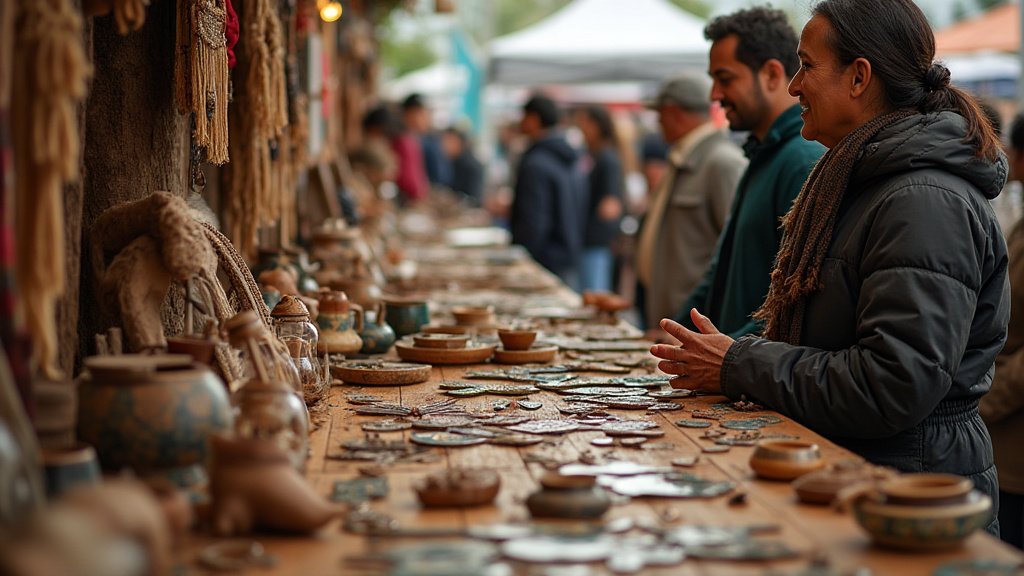
As the traditional retail cycle shifts toward aggressive commercialism, a quiet, powerful movement has taken root in Portland. This weekend, from November 27 through November 29, the 9th annual Black Friday Indigenous market opens its doors across two city locations, offering a distinct alternative to the frantic pace of post-Thanksgiving shopping. Rather than focusing on mass-produced discounts, this event prioritizes the human connection between creators and their community, highlighting the work of Indigenous entrepreneurs whose goods are as much about cultural preservation as they are about commerce.
Key Highlights
- Event Duration: The market runs for three days, from November 27 through November 29, across two Portland locations.
- Artisanal Focus: The event showcases a diverse array of handcrafted goods, ranging from complex resin-inlaid art and plant propagation to traditional textiles and jewelry.
- Community Connection: Celebrating its 9th year, the market serves as a vital touchstone for local Indigenous entrepreneurs, fostering direct-to-consumer economic relationships.
- Ethical Consumerism: By hosting the event on Black Friday, organizers emphasize a ‘buy local, buy ethical’ philosophy that challenges the unsustainable consumption patterns of modern retail.
The Economic Sovereignty of Indigenous Artistry
The 9th annual Indigenous market is not merely a retail event; it is a manifestation of economic sovereignty. For nearly a decade, this gathering has provided a platform for Indigenous makers in the Pacific Northwest to reclaim the narrative of their craft. In an era dominated by global supply chains and impersonal e-commerce algorithms, the market re-centers the individual artisan. Here, the transaction is secondary to the interaction. Whether it is a piece of resin-inlaid art that tells a story of landscape and memory, or propagated native plants that connect a home to the regional ecosystem, every item carries the signature of its maker. This direct-to-consumer model ensures that revenue remains within the community, supporting the families and businesses that drive the local cultural landscape. The event is a testament to the resilience of Indigenous entrepreneurs, who continue to thrive by turning traditional skills into sustainable modern businesses.
The Intersection of Tradition and Innovation
What makes this year’s market particularly compelling is the spectrum of goods on display. Visitors will find a blend of ancestral techniques and contemporary aesthetics. Resin-inlaid art, a highly technical medium, is used here to preserve cultural motifs, creating pieces that serve as functional art for the modern home. Similarly, the inclusion of plant propagation demonstrates a deep-seated connection to the land—a core tenet of many Indigenous worldviews. These goods are not souvenirs; they are tangible contributions to a living culture. By bridging the gap between historical craft and current consumer needs, these makers are proving that Indigenous entrepreneurship is not a static relic of the past, but a dynamic, evolving industry.
Building ‘Family’ in the Marketplace
The organizers behind the event often describe the collective atmosphere as one of family, a sentiment that resonates with regular attendees. In a city that is increasingly gentrified and transient, the market acts as a third space—a location for community building that exists outside of traditional workspaces or homes. This “family” dynamic is crucial to the market’s longevity. It creates a support network where established makers mentor new entrepreneurs, and where consumers aren’t just “customers” but participants in a community cycle. This relational approach to business is the antidote to the transactional, high-stress atmosphere typically associated with the Black Friday holiday. It is an intentional, slow-fashion, slow-commerce movement that aligns personal values with economic action.
Analyzing the Impact: Why This Market Matters
When looking at the broader economic impact, the Indigenous market model presents a sustainable alternative to the “big box” retail mentality. By focusing on quality, locality, and personal connection, these markets insulate themselves from the volatility of global markets. They create a closed-loop economy where the value generated by the art circulates within the community. Furthermore, the market provides a significant psychological benefit to the Portland area. It allows the public to engage with Indigenous culture in a respectful, celebratory way, rather than a performative one. As the market enters its ninth year, it is clear that this is no longer a niche event, but a pillar of the Portland local economy, setting a precedent for how cities can support Indigenous-led initiatives.
FAQ: People Also Ask
What is the primary mission of the Black Friday Indigenous Market?
The primary mission is to promote economic sovereignty for Indigenous entrepreneurs by providing a dedicated, high-visibility platform for their handcrafted goods, effectively offering a community-focused alternative to the commercialized nature of Black Friday.
Can anyone attend the market?
Yes, the market is open to the public. It is designed to be a community touchstone, welcoming residents and visitors alike to engage with local makers, purchase unique handcrafted goods, and learn about the diverse cultures represented by the vendors.
What specific types of goods can I find at the market?
The market features a wide variety of items, including resin-inlaid art, propagated plants, traditional textiles, jewelry, and other artisan-made goods that reflect both traditional cultural influences and contemporary artistic innovation.
Why is this market held during Black Friday?
Hosting the market on Black Friday is a deliberate, symbolic choice. It directly challenges the hyper-consumerism of the biggest shopping day of the year, inviting shoppers to participate in a more ethical, relational, and sustainable form of commerce that supports local families rather than corporate entities.