The Oregon Ducks are set to host the Washington Huskies at Autzen Stadium in their 119th rivalry meeting, a game that carries profound weight for the Big Ten Championship race. While the bitter history between these two programs is well-documented, the 2024 encounter is defined by a specific mathematical path for the Ducks, who require not only a victory in this contest but also a precise sequence of results from UCLA and Indiana to secure their berth in Indianapolis. This matchup serves as a microcosm of the modern collegiate landscape, where conference realignments and expanding playoff brackets heighten the pressure on perennial contenders to perform in late-season rivalry clashes.
Key Highlights
- 119th Rivalry Meeting: The Oregon-Washington series continues its storied legacy, now intensified by Big Ten conference membership.
- Championship Scenarios: Oregon’s pathway to the Big Ten Championship Game is conditional, requiring a win against Washington alongside specific, non-negotiable outcomes involving UCLA and Indiana.
- Autzen Stadium Advantage: The game will be played in Eugene, where crowd noise and historical home-field records significantly impact the game’s trajectory.
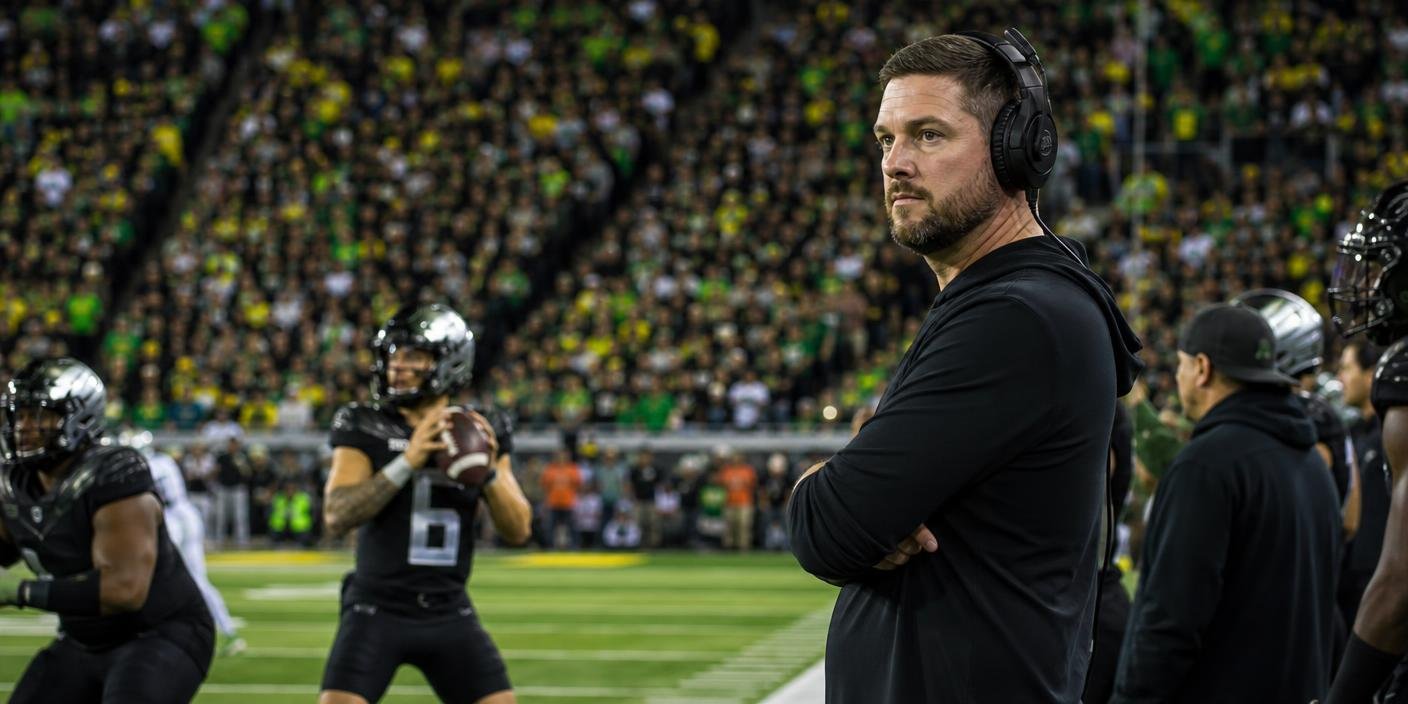
- Coaching Chess Match: Dan Lanning and Jedd Fisch are navigating the high-pressure environment of their first Big Ten iteration of this historic rivalry.
The High-Stakes Path to Indianapolis
The 119th meeting between Oregon and Washington is not merely a regional clash; it is a tactical bottleneck for the Ducks’ postseason aspirations. Currently, the Big Ten landscape is volatile, and for Oregon to punch their ticket to the Big Ten Championship Game, they are operating under a ‘must-win’ directive. However, a win alone is insufficient. The Ducks’ destiny is tied to the outcomes of secondary contests, specifically those involving UCLA and Indiana. If the Bruins and the Hoosiers fail to produce the specific results required by the conference tie-breaking procedures, Oregon’s control over their own path diminishes significantly.
The Historical Weight of the 119th Meeting
This series, which dates back to the early 20th century, has seen ebbs and flows in power dynamics. Historically, Washington held a significant advantage, but the 21st century has seen the balance of power shift dramatically toward Eugene. For the Huskies, this game represents an opportunity to play the role of ‘spoiler,’ a position they are intimately familiar with given the fierce tribalism of Pacific Northwest football. For the Oregon coaching staff, the directive is clear: maintain the dominant narrative of the last decade while navigating the new challenges presented by Big Ten defensive schemes.
Three Bold Predictions for the Game
1. Defensive Front Dominance: Expect Oregon’s defensive line to register at least four sacks against the Washington offensive front. The Huskies’ ability to protect the pocket has been inconsistent, and Autzen Stadium’s notorious noise levels—which often exceed 100 decibels—will likely force at least two pre-snap false start penalties, disrupting the Huskies’ offensive rhythm early in the first quarter.
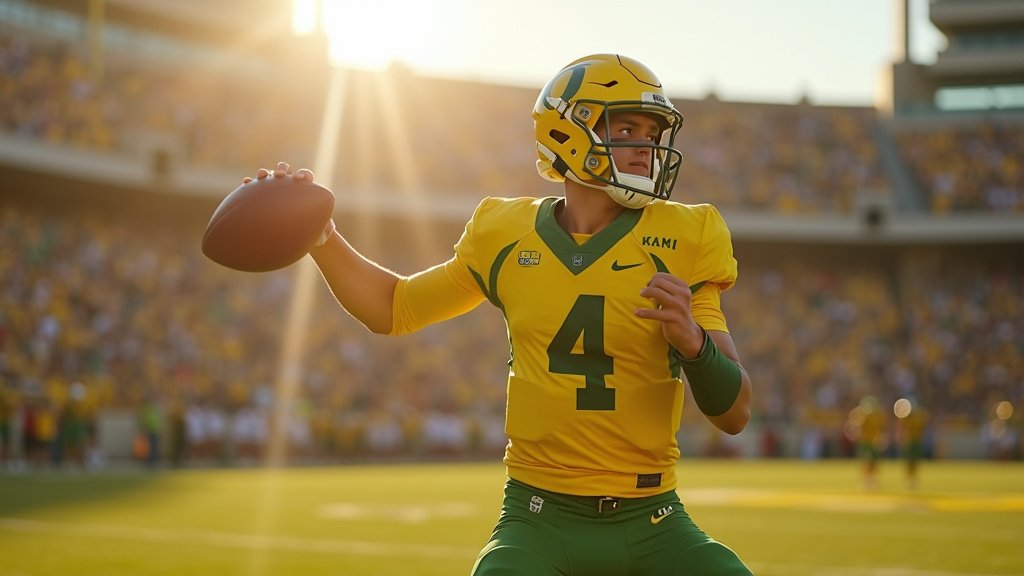
2. Efficiency Records for Gabriel: Dillon Gabriel, Oregon’s field general, will post a career-high completion percentage in this rivalry game. Against a Washington secondary that has struggled with vertical spacing, Gabriel will utilize short-to-intermediate crossing routes to neutralize the Huskies’ pass rush. We predict a 78% completion rate, with at least two touchdowns targeting the tight-end corps.
3. The Special Teams Turning Point: In a game where every possession is magnified, we predict a pivotal special teams play—either a blocked punt or a massive return—will swing momentum in the third quarter. Historically, rivalry games are decided by high-variance plays rather than total yardage, and the preparation from Oregon’s special teams unit has consistently demonstrated a higher level of discipline under head coach Dan Lanning.
Tactical Analysis of the Conference Shift
The transition from the Pac-12 to the Big Ten has fundamentally altered the recruiting and economic strategy of both universities. Oregon’s investment in NIL (Name, Image, and Likeness) and facilities is designed to sustain a national championship-caliber roster, while Washington is currently in a transitional phase following a coaching change and roster churn. This gap in stability is arguably the most significant variable in this weekend’s matchup. A win for Oregon does more than just move them toward the Big Ten Championship; it solidifies their recruiting leverage in the Pacific Northwest for the upcoming 2025 class.
FAQ: People Also Ask
Q: How many times have Oregon and Washington played each other?
A: This is the 119th meeting between the two schools, making it one of the longest-standing and most intense rivalries in college football history.
Q: Why does Oregon need UCLA and Indiana to lose?
A: Because of Big Ten conference tie-breaking procedures that account for head-to-head records and conference-wide strength of schedule, Oregon’s path to the championship game relies on the specific results of these other teams to finalize their standing in the conference rankings.
Q: Is the Big Ten Championship berth automatically secured with a win?
A: No. While winning the game is a prerequisite, Oregon remains dependent on external conference outcomes involving UCLA and Indiana to secure the necessary standing to advance to the title game in Indianapolis.
Q: Where is the game being played?
A: The game is being hosted at Autzen Stadium in Eugene, Oregon, which is widely considered one of the most difficult venues for visiting teams due to its unique architectural design and fan noise.