Portland’s vibrant dining scene continues to fluctuate as local institutions adapt to shifting consumer demands and economic pressures, with recent developments at Takota Coffee, Vincenzo’s, and Ha VL highlighting the resilience and creativity inherent in the city’s hospitality sector. These establishments, representing a cross-section of global flavors and local traditions, offer a snapshot of a market that values both historical authenticity and modern innovation. From the bustling corridors of 82nd Avenue to the quiet corners of local coffee roasters, understanding these businesses provides crucial insight into the broader health of Portland’s small-business ecosystem and the cultural significance of the neighborhood dining experience.
Key Highlights
- Ha VL’s Continued Dominance: The legendary noodle spot maintains its cult following by strictly adhering to its rotating menu of authentic Vietnamese soups, proving that quality and specificity win over trend-chasing.
- Vincenzo’s Resilience: As a cornerstone of traditional Italian dining, Vincenzo’s remains a study in long-term customer loyalty and the importance of a consistent, high-quality menu in an oversaturated market.
- Coffee Culture Evolution: Takota Coffee’s latest movements signify a broader shift in the Portland coffee scene, where small-batch, community-focused roasters are increasingly becoming the anchors of local commerce.
The Portland Culinary Ecosystem: Analysis and Trends
The Enduring Appeal of Portland Coffee: The Case of Takota
The Pacific Northwest has long been synonymous with high-quality coffee, and Takota Coffee operates within a segment of the industry that prioritizes precision and community engagement. The modern Portland coffee consumer is discerning, favoring brands that emphasize transparent sourcing and localized roasting techniques. Takota represents the transition from the ‘third wave’ of coffee, which focused on artisanal preparation, to a ‘fourth wave’ that integrates sustainability with hyper-local accessibility. By positioning themselves as a community hub rather than just a high-traffic stop, shops like Takota illustrate how independent roasters are defending their market share against massive, national coffee chains. The economic viability of these small-format coffee shops hinges on the ability to cultivate repeat, daily customers, a task that requires both superior product quality and a distinct brand identity that resonates with Portland’s unique demographics.
Vincenzo’s and the Resilience of Classic Italian Dining
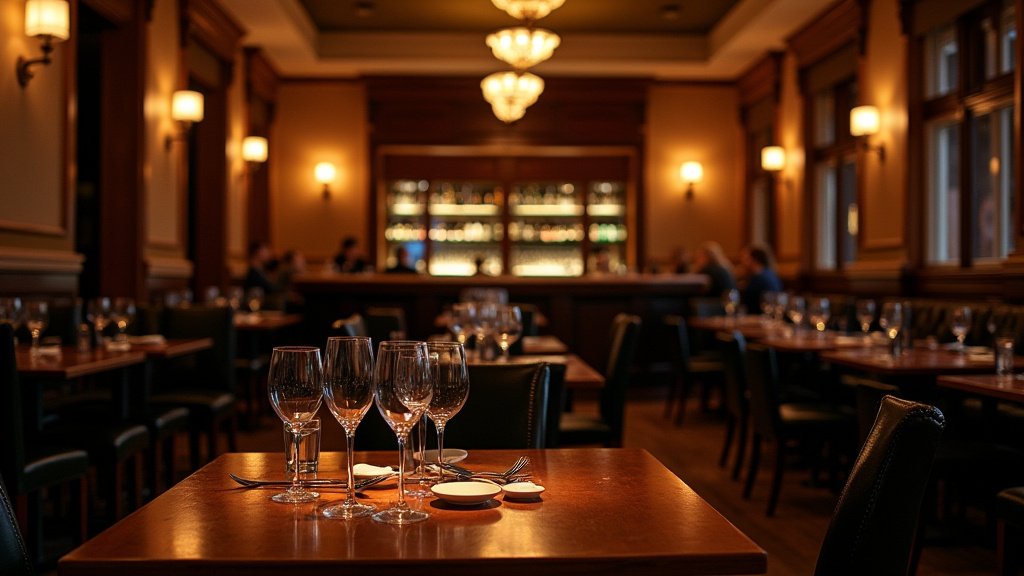
In an era where ‘new-school’ fusion restaurants often dominate the headlines, the staying power of establishments like Vincenzo’s serves as a critical counter-narrative. Vincenzo’s Trattoria and related Italian concepts in the Portland area represent a foundational pillar of the city’s dining history. The ‘red sauce’ tradition is not merely a style of cooking; it is a cultural anchor. The resilience of Vincenzo’s lies in its adherence to familiar, high-comfort recipes that transcend fleeting food trends. Analytically, the success of these classic institutions can be attributed to low customer acquisition costs—loyal patrons return for decades—and a stable supply chain that is less susceptible to the volatility that plagues experimental ‘farm-to-table’ concepts. This stability is a vital lesson for emerging restaurateurs: consistency in execution is the most reliable predictor of long-term survival in the notoriously difficult hospitality industry.
Ha VL: A Masterclass in Vietnamese Culinary Tradition
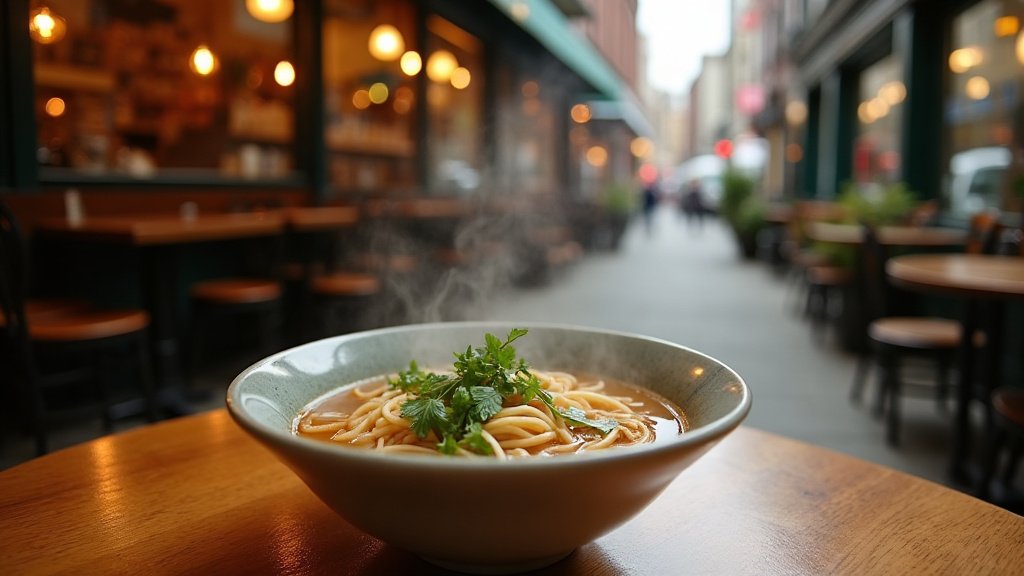
Few places capture the essence of Portland’s Eastside food scene like Ha VL. Located on the 82nd Avenue corridor, Ha VL has become a pilgrimage site for food enthusiasts, primarily due to its masterful, rotating menu of daily noodle soups. The ‘Ha VL model’ is distinct: it limits the menu to ensure freshness and focus, creating a sense of urgency that drives traffic every day of the week. This approach creates a ‘cult of scarcity’ that marketing departments spend millions trying to replicate but fails to capture the authenticity that Ha VL possesses by default. The impact of such businesses extends beyond their immediate revenue; they are cultural ambassadors that have helped shape Portland’s reputation as one of the best food cities in the United States. By maintaining strict control over their product, they protect the integrity of the cuisine while simultaneously securing their place as an essential, non-negotiable part of the city’s culinary topography.
The Economic Landscape of the Portland Hospitality Sector
The economic health of these businesses is a proxy for the health of Portland’s small-business landscape. Recent data suggests that while labor costs and rising overhead have pressured independent restaurants, the consumer base remains fiercely loyal to established, high-quality venues. There is a distinct ‘quality flight’ occurring; patrons are spending their discretionary income more carefully, choosing reliable, high-value experiences over mediocre or overpriced alternatives. For Takota Coffee, this means double-downing on the ‘third-place’ utility of the shop. For Vincenzo’s, it means emphasizing the value proposition of a full-service experience. For Ha VL, it means continuing the hyper-focused menu that justifies the time spent waiting in line. These three distinct business models represent the necessary diversity of the Portland market: the daily habit (coffee), the celebration (Italian), and the specialist (Vietnamese).
Future Predictions for Portland’s Gastronomic Hubs
Looking ahead, the next phase of Portland’s dining evolution will likely be defined by a greater emphasis on micro-local collaboration and digital efficiency. We can expect to see more partnerships between local coffee roasters and specialized bakeries, and an increase in direct-to-consumer meal kits from legendary spots like Ha VL, which allow for revenue expansion without the physical constraints of a dining room. As the city continues to navigate urban density changes, businesses that can blend the ‘cozy’ neighborhood feel with efficient operational technology will emerge as the dominant players. The challenge for these establishments will be maintaining the soul of their brand as they scale—or, in the case of long-standing staples, as they pass the torch to new generations of operators.
Supporting Local: The Strategic Value of Small Bites
The ‘Small Bites’ concept—the practice of spotlighting diverse, smaller-scale culinary news—is more than just a digest of restaurant openings and closings. It is a strategic tool for local economic development. When local media highlights the successes of places like Vincenzo’s or the unique offerings at Ha VL, it helps level the playing field against national conglomerates. This ecosystem of support is critical. Every dollar spent at a local, independent eatery has a multiplier effect within the community, circulating capital back into the Portland metro area rather than siphoning it to corporate headquarters in other states. Therefore, the news surrounding these businesses is not just lifestyle content; it is business intelligence that informs how the city’s economic engine continues to run.
FAQ: People Also Ask
Q: Why is Ha VL so popular in Portland?
A: Ha VL is celebrated for its strictly rotating menu of authentic Vietnamese noodle soups. Unlike many restaurants that try to cater to everyone with expansive menus, Ha VL focuses on daily specialties, ensuring high-quality, fresh ingredients and a unique experience that keeps locals returning regularly.
Q: What does the ‘Small Bites’ trend mean for Portland diners?
A: ‘Small Bites’ refers to the editorial trend of aggregating rapid-fire news about the restaurant and coffee scene. It helps diners stay updated on the latest menu changes, expansions, and closures, which is vital in a city like Portland where the culinary landscape changes almost weekly.
Q: How do traditional restaurants like Vincenzo’s survive in a modern market?
A: Vincenzo’s survives by leveraging deep-rooted brand loyalty and maintaining a consistent, high-quality menu. By avoiding the pitfalls of chasing temporary food trends, they provide a reliable, nostalgic experience that modern consumers value during times of uncertainty.
Q: What is the current state of Portland’s coffee scene?
A: Portland’s coffee scene is shifting toward hyper-localized, community-centric hubs. Shops like Takota Coffee are succeeding by acting as essential neighborhood gathering spaces that offer premium, ethically sourced products, moving beyond the simple ‘grab-and-go’ model.