As the Pacific Northwest transitions from the humid warmth of summer to the crisp, vibrant clarity of autumn, Oregon remains one of the premier destinations for travelers seeking a mix of adventure, relaxation, and seasonal beauty. KGW’s latest fall travel guide highlights why this shoulder season—spanning late September through early November—is arguably the best time to explore the Beaver State. Whether you are navigating the high-altitude forests of the Cascades or wandering the fog-laden beaches of the Pacific, the region offers a distinct experience that balances tranquility with the bustling energy of the harvest.
Peak Foliage and Where to Find It
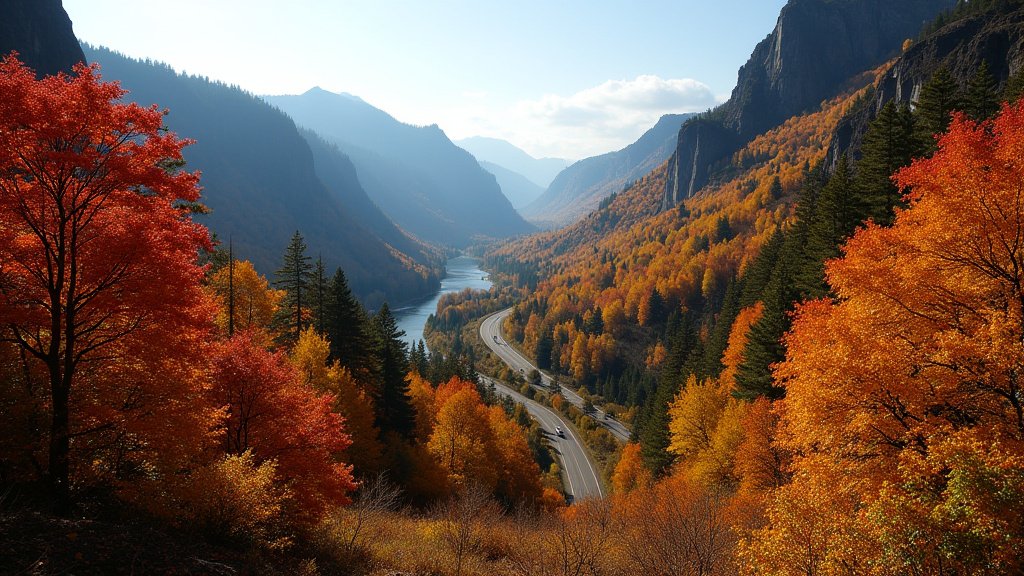
One of the primary drivers of fall tourism in Oregon is the dramatic shift in foliage. As the chlorophyll levels drop, the deciduous trees in the Columbia River Gorge and the Willamette Valley explode into a palette of crimson, burnt orange, and brilliant gold. For photographers and nature enthusiasts, the Columbia River Gorge National Scenic Area remains the gold standard. Following the Historic Columbia River Highway offers unparalleled vantage points of Multnomah Falls framed by autumn leaves, but the savvy traveler looks further east toward the Hood River Valley. Here, the fruit orchards provide a unique backdrop where the rows of pear and apple trees turn deep shades of copper before the winter freeze.
The Harvest Trail: Agritourism and the Willamette Valley
Autumn in Oregon is synonymous with the harvest. The Willamette Valley Wineries Association reports that this period is the most critical time for the region’s viticulture industry, often referred to as the ‘crush.’ Many vineyards open their doors to visitors for harvest tours, offering a behind-the-scenes look at the winemaking process. It is not just about wine; the agricultural bounty extends to the pumpkin patches and u-pick orchards near Yamhill and Marion counties. These agritourism spots provide essential revenue for local farmers while offering family-friendly activities that have become a staple of Oregon’s cultural identity. Supporting these local businesses during the fall ensures the preservation of the land and the sustainability of these family-owned enterprises.
Storm Watching on the Oregon Coast
While many travelers retreat inland, a growing demographic of ‘storm chasers’ heads to the Oregon Coast. As the ocean currents cool and atmospheric pressure changes, the coast experiences dramatic, high-energy storm events. Towns like Cannon Beach, Newport, and Astoria become hubs for those who enjoy the moody, atmospheric aesthetic of the Pacific. Local lodging providers have noted an increase in bookings during October and November, specifically marketing the ‘storm-watching experience’—cozying up in a beachfront rental with a fireplace while watching the Pacific churn. This secondary angle to Oregon tourism demonstrates a clever economic shift: turning what was once the ‘off-season’ into a high-demand premium travel experience.
Hidden Gems: The High Desert
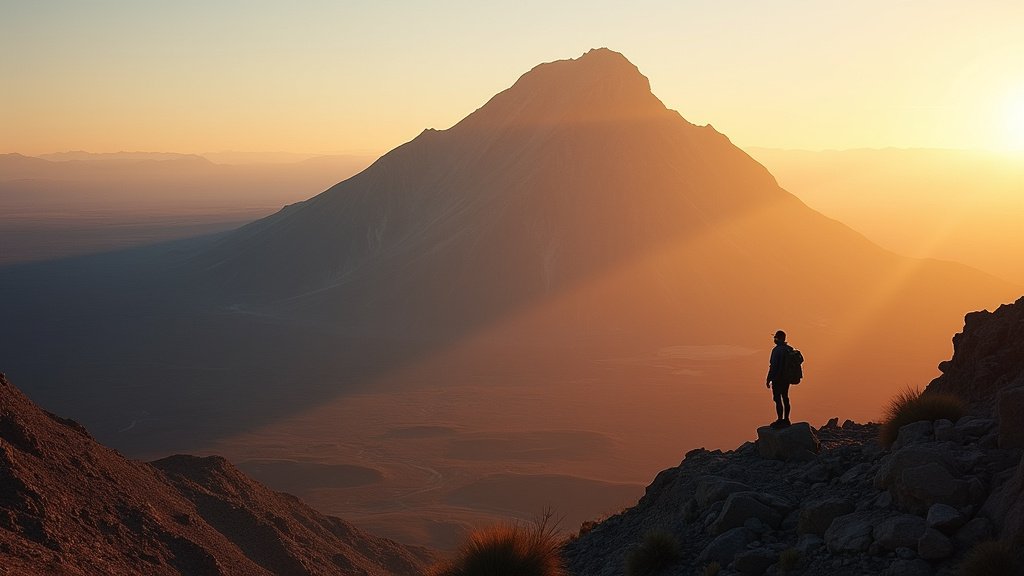
For those who prefer dry air and high-elevation landscapes, Central Oregon offers a drastically different autumn experience. In areas surrounding Bend and the High Desert, the scrubland and aspen trees create a sharp contrast against the volcanic rock formations. Unlike the lush, wet environment of the valley, autumn here is defined by early morning frosts, clear blue skies, and optimal conditions for mountain biking and hiking. The cooler temperatures make the high desert trails more accessible, extending the recreation season well past the typical summer rush.
Future Predictions and Sustainability
Looking ahead, state tourism boards are focusing on ‘dispersed tourism’—encouraging visitors to move beyond the heavily trafficked hubs of Portland and Cannon Beach. By promoting lesser-known destinations like the Wallowa Mountains in Eastern Oregon or the Southern Oregon coast, officials hope to mitigate the environmental impact of peak-season crowding. As climate patterns shift, the duration of the fall season has appeared to extend, allowing for a longer, more sustainable window for the tourism industry to operate throughout the year. This shift not only benefits the local economy but also creates a more predictable, long-term outlook for hospitality infrastructure.
Economic and Environmental Impact
It is important to acknowledge the role of the outdoor recreation economy in Oregon. Data from Travel Oregon suggests that tourism contributes billions annually to the state’s GDP, with the fall season increasingly accounting for a larger share of that total. This is largely due to the rise of ‘bleisure’—the combination of business and leisure travel—and the work-from-anywhere trend. As travelers seek out quiet, scenic locations to work remotely, the demand for high-quality, long-term fall rentals has surged. However, this comes with the responsibility of land stewardship. Travelers are urged to follow Leave No Trace principles, particularly as the autumnal dry spell can increase wildfire risks in certain parts of the state. Responsible exploration is the cornerstone of keeping Oregon’s natural beauty intact for future generations.