Oregon’s labor market has officially crossed a significant threshold, with the statewide unemployment rate falling below the 5% mark in October 2026. This data, released by state economic authorities, confirms that the Pacific Northwest state has successfully navigated a period of volatility, signaling a robust and sustained recovery that began to take root earlier this summer. For policymakers and business leaders, this milestone represents more than just a statistical victory; it indicates a resilient realignment of the state’s workforce and a stabilizing influence on local economic conditions.
Key Highlights
- The statewide unemployment rate dropped below the 5% threshold in October 2026.
- A clear downward trend in joblessness has been documented since the early months of summer 2026.
- Growth remains consistent across key sectors, including construction, professional services, and regional manufacturing.
- The state’s labor force participation rate has shown signs of stabilization, contrasting with the volatility seen in early 2026.
- This milestone provides a new baseline for economic forecasting heading into the first quarter of 2027.
Sustained Momentum: Analyzing Oregon’s Economic Turnaround
The recent dip below 5% is the culmination of a broader strategy employed by the Oregon Employment Department (OED) and private sector partners to address post-pandemic labor shortages and inflationary pressures. Throughout the summer, analysts observed a steady narrowing of the gap between job openings and active job seekers. While initial projections earlier in the year suggested a sluggish transition, the data from October demonstrates that hiring velocity has significantly outpaced expectations.
Understanding the 5% Threshold and Historical Context
In the context of Oregon’s economic history, a sub-5% unemployment rate is widely viewed by economists as a signal of ‘full employment’ or close to it. When unemployment hovers at this level, it suggests that the labor market is operating near its capacity. Historically, Oregon has faced unique challenges due to its reliance on both resource-based industries and a growing, yet sensitive, technology sector often referred to as the ‘Silicon Forest.’
Compared to the figures recorded during the late 2025 and early 2026 periods, the current trajectory is remarkably distinct. While previous quarters were characterized by stagnation and caution, the summer of 2026 brought a measurable increase in capital investment. Businesses, previously holding back on expansion due to interest rate uncertainties, began to authorize hiring initiatives that have now borne fruit. The October figure confirms that this was not merely a seasonal fluctuation but a foundational shift in the state’s economic health.
Sector-by-Sector Performance
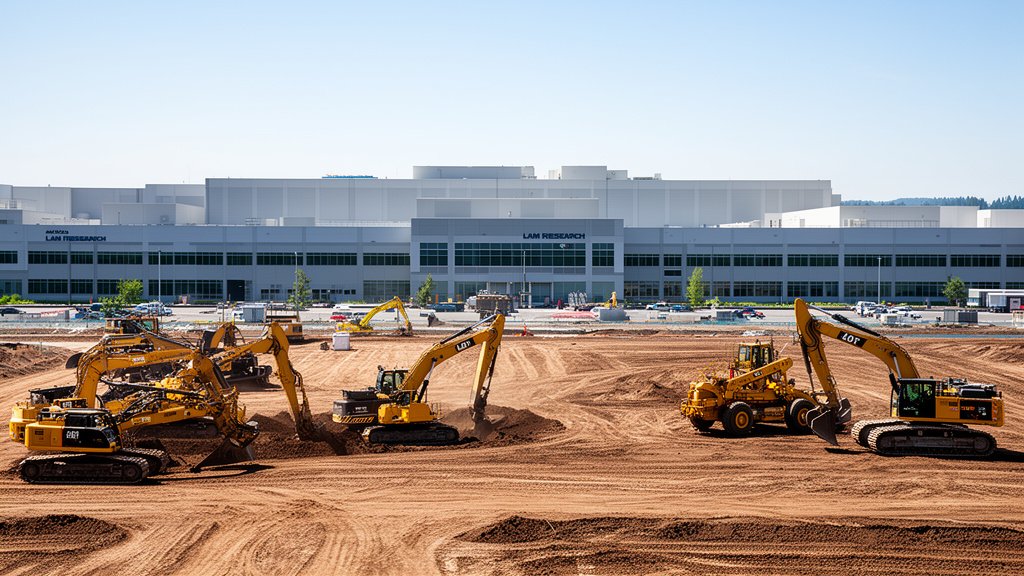
Much of this growth can be attributed to a surge in private sector hiring. The construction industry, buoyed by major infrastructure projects initiated earlier in the year, saw a significant uptick in headcount. This has a multiplier effect, as construction activity often drives demand in logistics, engineering, and manufacturing.
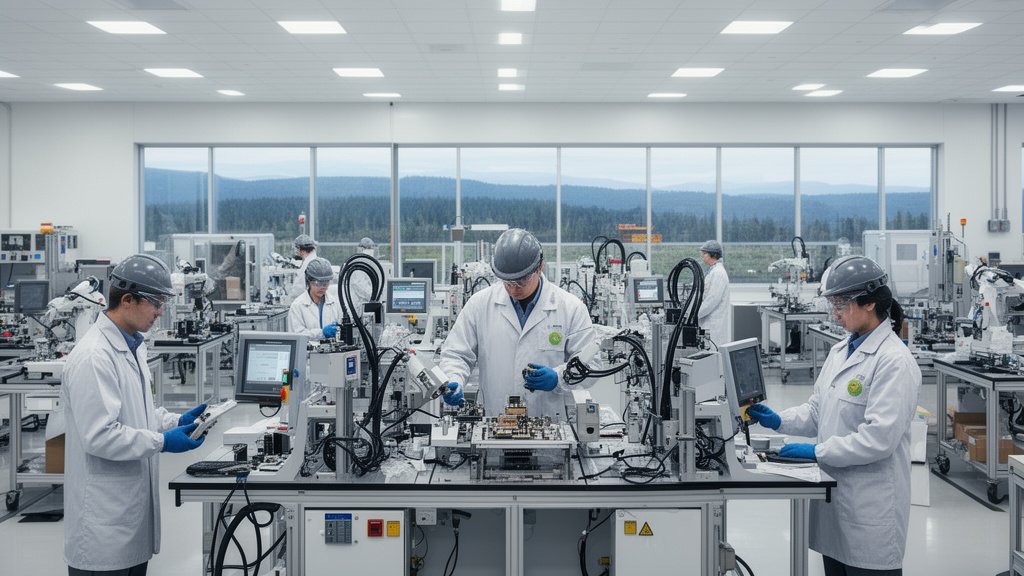
Simultaneously, the ‘Silicon Forest’—Oregon’s critical tech corridor—has begun to show renewed vitality. While the tech sector faced heavy headwinds in previous cycles, Q3 and Q4 of 2026 have seen a pivot toward AI-integrated manufacturing and green-energy software development. These high-skill roles are not only filling faster but are also commanding competitive wages, which in turn helps bolster the broader consumer economy.
The Summer Catalyst: Analyzing the Trendline
To understand the October milestone, one must look at the trend established in June and July 2026. During those months, the state reported a tightening of the labor supply. Contrary to fears that this would lead to a wage-price spiral, the productivity data suggests that the workforce became more efficient. Companies utilized this ‘summer trend’ to optimize their operations, reduce waste, and invest in automation that complemented, rather than replaced, human labor. By the time October arrived, the state was perfectly positioned to break the 5% barrier.
Macro-Economic Pressures and Workforce Adaptation
Oregon’s economic environment does not exist in a vacuum. National inflationary pressures and the Federal Reserve’s interest rate policies have played a significant role in shaping the state’s trajectory. However, Oregon’s unique mix of public-private partnerships allowed for a more agile response to national trends. By focusing on workforce development programs and skill-matching initiatives, the state was able to bridge the gap between underemployed workers and open positions in specialized sectors.
It is also critical to note the role of labor participation. A significant portion of the success seen in October is due to a reentry of workers into the labor force who had previously sat on the sidelines during the early-year uncertainty. As wages stabilized and cost-of-living increases moderated, these individuals found the incentive structure more favorable to returning to full-time employment.
Projections: Looking Toward 2027
What does this mean for the future? With the unemployment rate officially dipping below 5%, the focus for the Oregon Employment Department will likely shift toward maintaining this equilibrium. Economic forecasting models for early 2027 suggest that if the current momentum continues, the state could see a period of low-inflationary growth. The challenge, however, will be managing potential labor shortages in high-growth industries. As the economy tightens, competition for top-tier talent will increase, which may push wages higher and potentially impact operational costs for smaller businesses. Nevertheless, for the average Oregonian, the October report is a clear signal that the economic engine is not just running, but accelerating with purpose.
FAQ: People Also Ask
1. Why is a sub-5% unemployment rate considered a ‘milestone’?
In economics, a rate below 5% is often colloquially linked to full employment. It implies that nearly everyone who wants to work and is actively searching for a job can find one, leaving only ‘frictional’ unemployment (people between jobs).
2. Did all regions in Oregon contribute equally to this decline?
While the statewide average is below 5%, regional disparities remain. The Portland metro area, with its diverse economy, typically leads in job growth, while more rural counties in Eastern and Southern Oregon are seeing slower, albeit positive, progress in local employment metrics.
3. Will this trend lead to immediate inflation in Oregon?
Not necessarily. While low unemployment can sometimes lead to wage-push inflation, the current economic climate in Oregon suggests that productivity gains are offsetting some of these costs. Furthermore, local economic stability is largely influenced by national and global factors, not just internal labor statistics.
4. How does the Oregon Employment Department calculate these figures?
OED uses a methodology aligned with the Bureau of Labor Statistics (BLS). They gather data through household surveys and payroll records, ensuring that the statistics are adjusted for seasonality and reflect accurate employment status across all demographics.