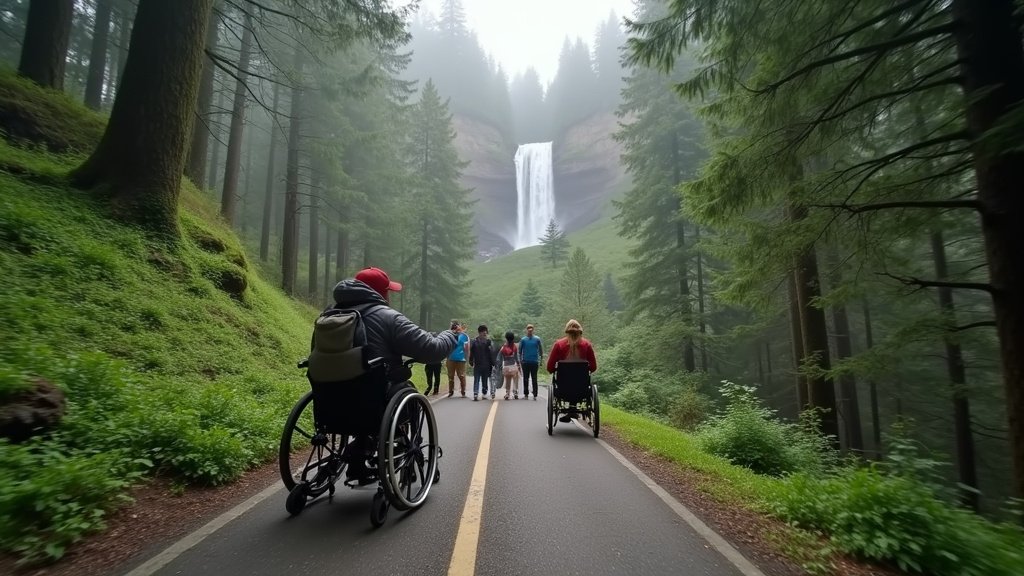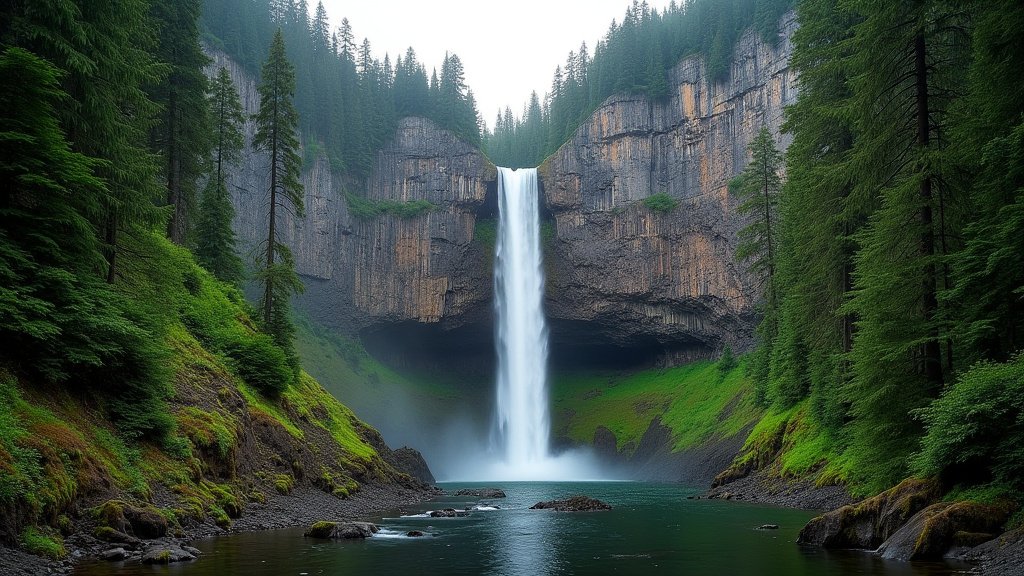
The Oregon Parks and Recreation Commission has officially authorized the $2 million purchase of the Abiqua Falls property, marking a monumental victory for conservationists and outdoor enthusiasts. This acquisition aims to transition one of the state’s most iconic, yet previously difficult-to-access, geological wonders into a formal state recreation area. For years, Abiqua Falls has existed in a precarious limbo—internationally famous due to social media yet operationally inaccessible to the general public due to its location on private land. This landmark agreement represents the state’s proactive approach to resolving land-use conflicts, protecting natural resources, and providing safe, regulated access to one of the Pacific Northwest’s most breathtaking natural landmarks.
Key Highlights
- $2 Million Investment: The Oregon Parks and Recreation Commission has formally approved the capital expenditure to purchase the Abiqua Falls site and surrounding acreage.
- Ending Private Land Conflicts: The acquisition effectively resolves ongoing tensions regarding trespassing on private property, which has been a recurring issue as the falls gained viral status.
- Enhanced Safety Infrastructure: State management allows for the development of improved, engineered trails to replace the current, hazardous, and steep unmaintained path.
- Long-Term Preservation: The land will now fall under the stewardship of the Oregon Parks and Recreation Department (OPRD), ensuring the fragile basalt gorge and surrounding ecosystem are protected from overuse.
Safeguarding a Geologic Masterpiece
The acquisition of Abiqua Falls by the Oregon Parks and Recreation Department (OPRD) is more than just a real estate transaction; it is a critical step in preserving the environmental integrity of the Abiqua Creek canyon. For decades, the falls—a massive, 92-foot-tall amphitheater of columnar basalt—have been a closely guarded secret of the Pacific Northwest. However, the rise of digital mapping and social media transformed this secluded canyon into a viral destination, leading to thousands of visitors navigating unmarked, steep, and often treacherous private paths.
The Shift from ‘Hidden Gem’ to Managed Asset
Before this purchase, visitors were often faced with a chaotic access situation. With no formal parking and no state-maintained trails, tourists frequently parked on narrow rural roads, creating safety hazards, while the existing descent into the canyon was prone to severe erosion. By bringing the property into the public fold, OPRD is positioned to implement a sustainable management plan. This includes assessing the environmental impact of foot traffic on the native flora and fauna of the riparian zone, something that was impossible under private ownership.
Solving the Public-Private Access Dilemma
For the landowners who previously held the property, the burden of managing crowds was unsustainable. The influx of hikers often resulted in litter, noise, and significant concerns regarding liability. By selling the land to the state for $2 million, the owners have paved the way for a solution that serves the public good while providing them with an equitable exit. This model of acquisition highlights a growing trend in state-level conservation: identifying high-demand natural areas that are suffering from ‘over-tourism’ and stepping in to formalize access and safety infrastructure.
The Future of Recreation and Safety
Transitioning Abiqua Falls into a state recreation site brings significant responsibilities. The primary challenge facing OPRD will be balancing the sheer volume of visitors with the physical limitations of the canyon. The current trail is widely recognized by outdoor experts as ‘expert level’ during wet weather, due to steep, slick mud.
Engineering for Sustainability
Moving forward, the state will likely prioritize the construction of a switchback trail system. These engineered trails are designed to prevent the ‘braided’ paths that currently scar the hillside, which contribute to erosion and sediment runoff into Abiqua Creek. By consolidating hikers onto a single, durable path, the state can limit the physical footprint of recreation while simultaneously lowering the probability of search-and-rescue interventions.
Economic Impact on the Region
While the primary driver of this purchase is conservation and safety, the economic implications for nearby Scotts Mills and Marion County are substantial. Formalized state parks act as reliable anchor points for eco-tourism. By providing appropriate parking, restrooms, and clear signage, the area will likely see a more organized influx of visitors who contribute to the local economy without disrupting the surrounding agricultural and residential communities. This purchase secures the falls as a long-term asset, ensuring that Oregonians and tourists alike can enjoy the majesty of the basalt gorge without the uncertainty that has plagued the site for years.
FAQ: People Also Ask
1. When will Abiqua Falls be open to the public as a state park?
The state is currently in the process of finalizing the acquisition. While the purchase has been approved, developing safe access—including parking and trail construction—takes time. The public should check the Oregon Parks and Recreation Department’s official website for official opening dates.
2. Is Abiqua Falls currently accessible to hikers?
While many hikers currently visit, visitors are reminded that the falls are located in a sensitive area. Unauthorized access can still lead to trespassing issues until the state officially assumes management and marks the boundaries. Visitors are strongly urged to respect current closures and private property signs.
3. Will there be an entrance fee for the new park?
While specific fee structures for the future Abiqua Falls recreation site have not yet been announced, OPRD typically manages state parks through a combination of tax funding and day-use fees. It is common for high-traffic sites to require a parking permit or day-use fee to fund ongoing maintenance.