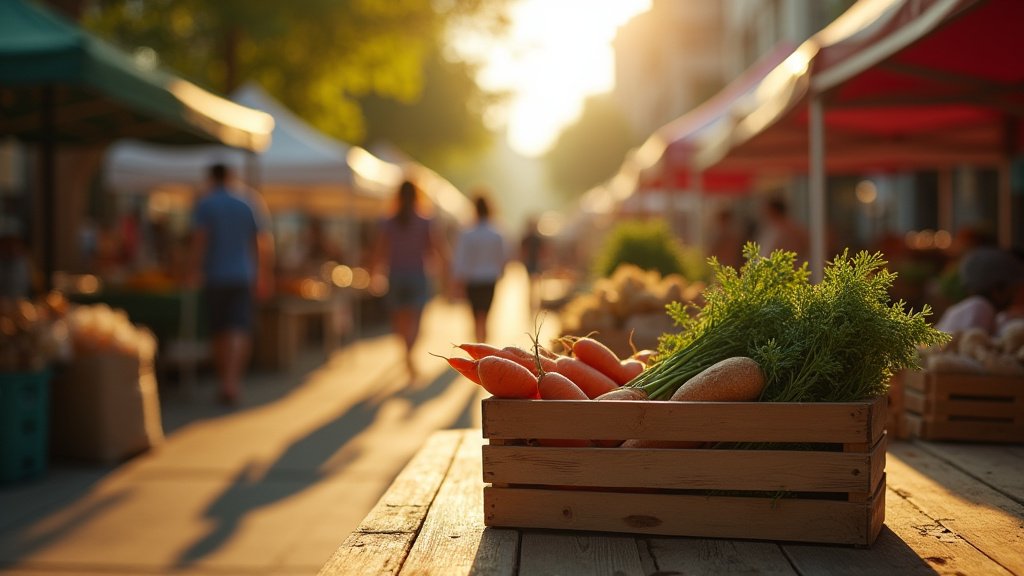
The Montavilla Farmers Market stands as a testament to the power of community-driven infrastructure. As the market enters its 20th season, it serves as more than just a place to purchase fresh produce; it is a vital pillar of the Southeast Portland neighborhood, having transformed from a humble volunteer-led initiative into a year-round economic engine. Since its opening on July 22, 2007, the market has navigated the complexities of urban planning, changing consumer habits, and the fluctuating landscape of small-scale agriculture, solidifying its role as a model for sustainable, local food systems.
Key Highlights
- Two Decades of Service: Founded in 2007 by grassroots volunteers, the market enters its 20th season with a rich history of community stewardship and resilience.
- Economic Impact: The market now supports over 60 vendors, providing a critical platform for local farmers, artisans, and small-batch food producers to connect directly with consumers.
- Community Anchor: MFM has evolved into a year-round operation, providing essential access to healthy, locally grown food while fostering social cohesion in the Montavilla business district.
- Anniversary Celebrations: To mark the milestone, the market is launching a “Montavilla Through the Seasons” retrospective, featuring historical archives, special commemorative merchandise, and interactive community events starting May 2026.
- Commitment to Equity: The organization continues its mission to lower barriers to fresh food access through robust SNAP and EBT matching programs, ensuring inclusivity remains a priority alongside economic growth.
Two Decades of Cultivating Community: The MFM Legacy
When a group of dedicated neighbors in the Montavilla area first envisioned a market on SE Stark Street, their goal was straightforward yet ambitious: create a space that bridged the gap between rural production and urban consumption. In 2007, the concept of a “farmers market” in the neighborhood was not merely a retail opportunity; it was a reclamation of community identity. The founding team, working alongside the Montavilla East Tabor Business Association (METBA), operated with a shoestring budget and boundless volunteer energy, managing to open doors with 17 initial vendors. Today, that origin story resonates deeply with long-time residents who have watched the market grow in tandem with the neighborhood itself.
The Mechanics of Growth: From Volunteers to Visionaries
The evolution of the Montavilla Farmers Market is a case study in effective non-profit management. Moving from a volunteer-run model to an organization supported by professional staff allowed the market to standardize operations, ensure fair wages for market managers, and scale its offerings. This transition was not without its hurdles. The market had to balance the charm of a “small-town” atmosphere with the rigorous demands of food safety, logistics, and vendor diversity. By fostering an environment where 17 vendors could grow into a thriving roster of over 60, MFM created an entrepreneurial incubator. It allowed farmers to test new crops, artisans to refine their products, and families to build businesses that now sustain them year-round. This infrastructure is what differentiates a successful market from a temporary pop-up; it provides the stability required for small-scale operations to flourish.
Food Systems and Urban Resiliency
Beyond the weekly transactions, the market plays a crucial role in the broader Portland food system. In an era where supply chains are increasingly centralized and opaque, the MFM offers radical transparency. Shoppers who visit the market on Sunday mornings are engaging in a direct economic loop that keeps capital within the local ecosystem. This localized economy is resilient. While global supply chains falter under geopolitical or logistical pressures, the Montavilla Farmers Market remains largely insulated, relying on regional agriculture that is deeply attuned to the Pacific Northwest climate. The addition of new vendors—including everything from heritage seed farms to small-batch distilleries—demonstrates the market’s ability to adapt to changing consumer tastes while maintaining its foundational focus on local ingredients.
The Social Fabric: Beyond Commerce
Anthropologically, the farmers market serves as the modern equivalent of the town square. In the context of Montavilla, the market has become a defining “third place”—a social environment separate from work and home. It is where community bonds are strengthened, where local artists and musicians often find a venue, and where diverse demographics of the neighborhood converge. The market’s commitment to diversity, equity, and inclusion is not just a policy but a practiced reality. By providing a dollar-for-dollar match on SNAP purchases, the market acknowledges that healthy, nutritious food is a right, not a privilege. This social mission is perhaps the most significant legacy of the past 20 years. It ensures that the market remains accessible to all, reflecting the values of the community it serves.
The Future of the Market
As MFM looks toward the next two decades, the challenges are clear: sustainable growth in an expensive urban housing market, the continued necessity of supporting local agriculture against climate unpredictability, and the challenge of maintaining that “grassroots” feel as the organization scales. However, the foundation laid by the original volunteers remains strong. The 20th-anniversary celebration is not just a look back; it is a declaration of intent. Through initiatives like the “Montavilla Through the Seasons” timeline, the market is educating a new generation of shoppers on why local food matters. As Portland continues to evolve, the Montavilla Farmers Market remains a fixed point of stability, proving that community-driven solutions are the most sustainable path forward.
FAQ: People Also Ask
1. What makes the Montavilla Farmers Market different from other Portland markets?
The MFM is distinguished by its history as a truly grassroots, volunteer-founded organization that has successfully scaled into a professional, year-round operation. Its deep integration into the specific cultural fabric of the Montavilla neighborhood and its dedicated commitment to equity-focused food access programs make it a unique and vital community asset.
2. How does the market support SNAP/EBT shoppers?
The market prioritizes inclusivity by offering a dollar-for-dollar match program for SNAP/EBT transactions. This allows shoppers to double their purchasing power for fresh, local fruits and vegetables, effectively lowering the financial barrier to eating healthy, high-quality food.
3. Is the market open year-round?
Yes, the Montavilla Farmers Market operates year-round. It features both a summer and winter season, ensuring that the community has consistent access to local farmers and food producers regardless of the weather, which is essential for the economic stability of the vendors.
4. Can I still see the historical displays for the 20th anniversary?
Yes, the market is launching the “Montavilla Through the Seasons” display during its 20th season kick-off in May 2026. This exhibit will be featured at the market, offering a visual journey through the history of the market from its 2007 inception to the present day.