Iran has issued a critical diplomatic overture, offering to reopen the strategically vital Strait of Hormuz and restart suspended nuclear negotiations with the United States within a seven-day window. The proposal, which pivots on Washington’s willingness to address specific, previously established conditions, represents a potential thaw in one of the most volatile geopolitical standoffs in modern history. As global markets and international stakeholders monitor the situation, the offer underscores the persistent, high-stakes linkage between maritime security and the broader, more complex narrative of nuclear non-proliferation.
The Diplomatic Pivot: A Seven-Day Ultimatum
The core of the current development lies in the defined timeline. By framing the offer within a seven-day window, Tehran has introduced an immediate urgency to diplomatic channels. This move comes at a time of heightened regional friction, where the Strait of Hormuz—through which approximately 20 to 30 percent of the world’s total oil consumption passes daily—has served as both a commercial lifeline and a geopolitical lever. The offer is not unconditional; rather, it is predicated on the United States accepting a set of demands that, while not fully detailed in the preliminary reports, are widely understood to involve the easing of sanctions and a framework for renewed diplomatic engagement regarding the Joint Comprehensive Plan of Action (JCPOA).
Strategic Importance: The Strait of Hormuz
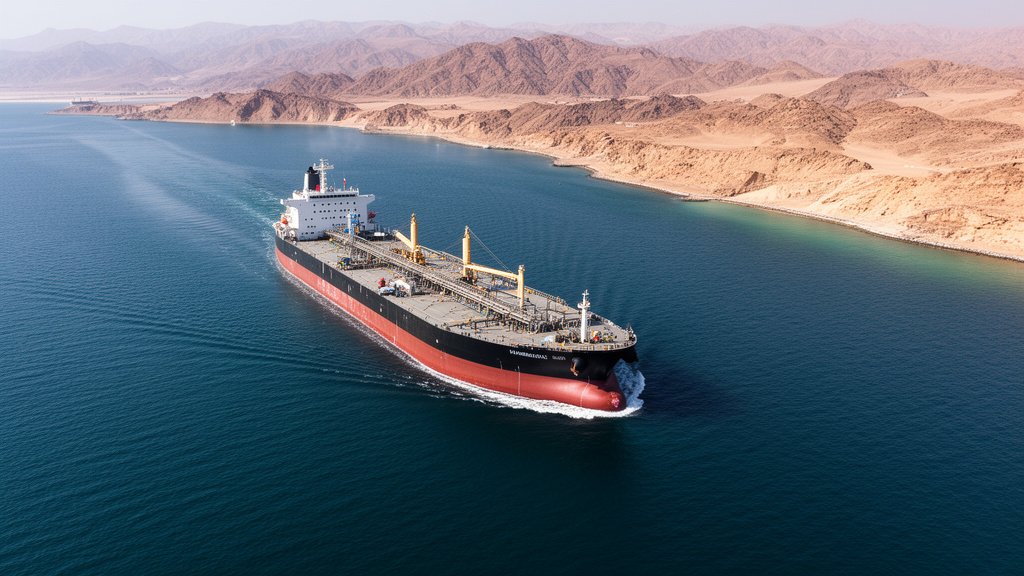
To understand the gravity of this proposal, one must look at the geography of the Strait of Hormuz. It is the world’s most significant oil chokepoint. Stretching just 21 miles at its narrowest point, the waterway acts as the sole maritime conduit for oil exports from Saudi Arabia, Iran, the UAE, Kuwait, and Iraq. Any disruption here does not merely affect regional actors; it causes an immediate, global ripple effect on energy prices. Iran’s control over this passage has frequently been interpreted by Western powers as an instrument of statecraft. By offering to ‘reopen’ the strait—implying a return to unhindered, standard operational freedom—Iran is signaling a strategic shift, potentially leveraging its maritime advantage to force the U.S. back to the negotiating table.
The Nuclear Conundrum and JCPOA Legacy
The linkage of the Strait of Hormuz to nuclear talks is a hallmark of the diplomatic chess match that has defined U.S.-Iran relations for decades. Since the U.S. withdrawal from the JCPOA in 2018, the path toward a stabilized nuclear framework has been fraught with roadblocks. Previous attempts at back-channel communication often stalled due to deep-seated mistrust and differing expectations regarding enrichment caps and regional missile activities.
Analysts suggest this new offer may be a pragmatic response to domestic economic pressures within Iran. By proposing a dual track—maritime stability and nuclear transparency—Tehran is attempting to present a comprehensive deal that addresses both the security concerns of the West and the economic aspirations of the Iranian government. The ‘seven-day’ requirement forces a rapid evaluation from the U.S. State Department, preventing the usual slow-walk of diplomatic protocols that often leads to inaction.
Economic Ramifications and Global Energy Markets
Global energy markets are notoriously sensitive to instability in the Persian Gulf. Even rumors of increased military presence or threats to shipping lanes have historically caused Brent crude prices to spike. Should the Strait of Hormuz be fully reopened and guaranteed under a new diplomatic accord, the resulting market stability could provide a significant cushion for the global economy, which is currently grappling with inflation and supply chain volatility. However, the market remains cautious. Past history demonstrates that diplomatic optimism can evaporate quickly, and traders are likely to maintain a ‘risk premium’ on oil prices until concrete progress—not just an offer—is verified.
The Path Forward: Challenges to Implementation
Despite the apparent movement, the path to implementation remains complex. The U.S. position has consistently demanded that nuclear talks occur without the ‘duress’ of threats to maritime shipping. For Washington, accepting the conditions tied to the Strait’s reopening may be viewed as rewarding the very behavior it seeks to deter. Conversely, the Biden administration has consistently stated a preference for diplomacy over conflict. Navigating these two competing priorities—standing firm on maritime security principles while aggressively pursuing nuclear non-proliferation—will require a delicate diplomatic balancing act in the coming week.
FAQ: People Also Ask
Why is the Strait of Hormuz considered the world’s most vital maritime chokepoint?
It is the primary transit route for oil exports from the Persian Gulf. A significant portion of the world’s daily oil consumption passes through this narrow waterway, making it a critical artery for global energy stability. Any blockade or significant disruption here can cause immediate, global price shocks.
What is the connection between this offer and the JCPOA?
Iran has historically linked its maritime actions to broader negotiations, including the JCPOA (the Iran Nuclear Deal). By offering to open the Strait as part of a nuclear negotiation package, Tehran is attempting to force the U.S. to address sanctions relief and nuclear compliance in tandem with regional security issues.
How likely is it that the U.S. will accept these conditions within 7 days?
The U.S. typically conducts extensive inter-agency reviews before responding to such high-level diplomatic overtures. A seven-day window is exceptionally short for the standard diplomatic process, suggesting the administration will need to prioritize a rapid assessment of whether the offer constitutes a genuine breakthrough or a tactical stall.
What are the global economic risks if the offer is rejected?
If the offer is rejected or if negotiations break down, the status quo of high tension in the Persian Gulf remains. This keeps oil markets in a state of ‘priced-in’ anxiety, where any escalation could lead to rapid price volatility, affecting fuel costs and shipping insurance rates worldwide.