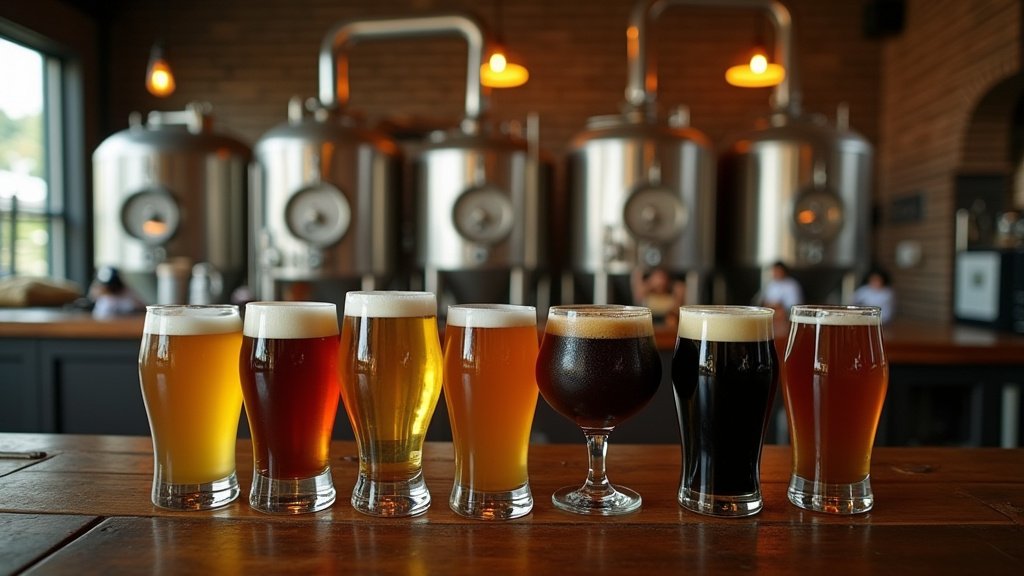
Oregon’s craft beer industry continues to show robust growth and innovation, with breweries adapting to changing consumer preferences and market demands. Despite challenges, the sector remains a significant economic driver for the state.
Key Highlights:
- Continued expansion of breweries statewide.
- Strong consumer demand for unique and locally sourced beers.
- Emerging trends in non-alcoholic and low-calorie options.
- Importance of sustainability practices for brewery operations.
- Resilience and adaptability of the sector in a dynamic market.
Oregon’s Craft Beer Renaissance
The landscape of Oregon’s craft beer scene is dynamic and ever-evolving, consistently demonstrating resilience and innovation. As a state renowned for its pioneering spirit in brewing, Oregon’s craft beer industry remains a vital economic engine and a source of immense local pride. From the bustling breweries of Portland to the emerging craft scenes in smaller towns, the sector is characterized by a dedication to quality, creativity, and community. Recent reports indicate a sustained demand for artisanal brews, with consumers increasingly seeking out unique flavor profiles, locally sourced ingredients, and breweries that prioritize sustainable practices. This ongoing renaissance is not just about volume; it’s about the craft, the story, and the connection between brewers and their patrons.
Economic Impact and Job Creation
The craft beer industry in Oregon is a significant contributor to the state’s economy, generating substantial revenue and providing numerous employment opportunities. Beyond the direct jobs within breweries – brewers, taproom staff, sales representatives – the sector supports a vast ecosystem of suppliers, distributors, and service providers. From hop farms that dot the Willamette Valley to equipment manufacturers and marketing agencies, the ripple effect is considerable. Furthermore, breweries often serve as community hubs, attracting tourism and boosting local economies in the areas they operate. The continued growth in this sector underscores its importance in Oregon’s broader economic development strategy.
Innovation and Emerging Trends
Oregon’s brewers are at the forefront of innovation, constantly experimenting with new styles, ingredients, and techniques. While traditional styles remain popular, there’s a noticeable shift towards experimentation. This includes the exploration of diverse hop varietals, the use of unique adjuncts like local fruits and spices, and a growing interest in barrel-aging programs. A significant emerging trend is the demand for non-alcoholic and low-calorie craft beer options. As consumer health consciousness evolves, breweries are responding by developing sophisticated non-alcoholic alternatives that do not compromise on flavor or quality. This adaptability ensures that Oregon’s craft beer remains relevant and appealing to a broader audience.
Sustainability in Brewing
Sustainability is becoming an increasingly critical aspect of operations for Oregon’s craft breweries. Many are actively implementing eco-friendly practices, recognizing their responsibility to the environment and the appeal of such initiatives to their customer base. This includes efforts to reduce water usage, implement energy-efficient brewing processes, manage waste effectively, and source ingredients locally to minimize transportation emissions. The use of renewable energy sources is also gaining traction. These sustainable practices not only contribute to environmental preservation but also enhance the brand image and resonate with a growing segment of environmentally conscious consumers.
FAQ: People Also Ask
What is the current state of the craft beer industry in Oregon?
Oregon’s craft beer industry remains strong and vibrant, characterized by innovation, a commitment to quality, and significant economic contributions to the state. While facing market shifts, it continues to be a leader in the national craft beer scene.
How important is the hop industry to Oregon’s craft beer?
Oregon, particularly the Willamette Valley, is a major producer of hops, a crucial ingredient in beer. The quality and availability of locally grown hops are fundamental to the distinct character and success of many Oregon craft beers.
Are there more breweries opening or closing in Oregon?
While the market is competitive, Oregon continues to see new brewery openings, particularly those focused on niche markets or unique concepts, alongside established breweries adapting their strategies to remain successful. The overall number remains robust.
What are the biggest challenges facing Oregon craft breweries?
Key challenges include increasing competition, rising costs of ingredients and operations, evolving consumer preferences (e.g., towards non-alcoholic options), and the need to adapt to market dynamics while maintaining quality and profitability.