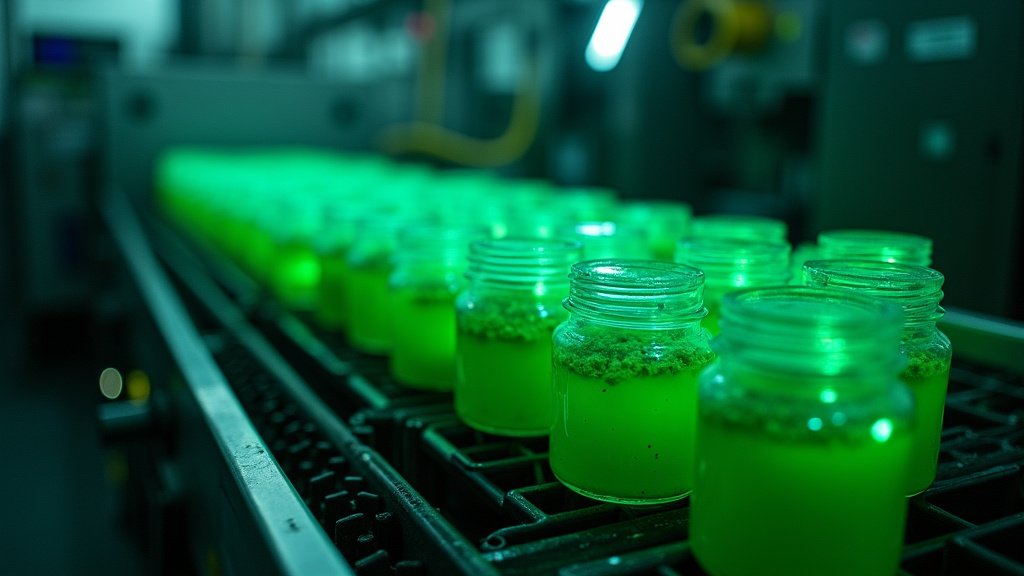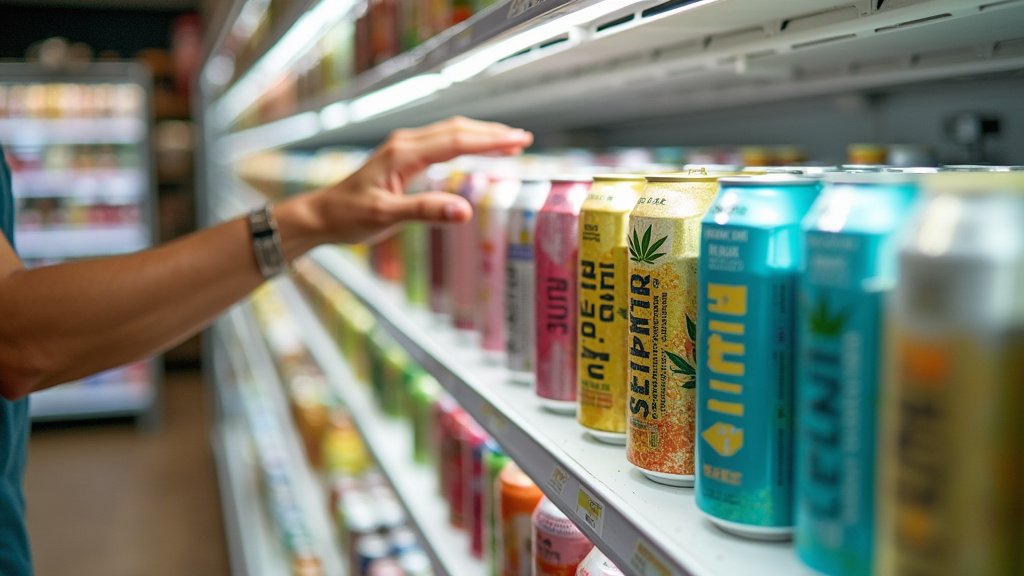
The legal landscape for hemp-derived products is hurtling toward a critical breaking point. By November 12, 2026, the THC-infused beverage market faces a federal deadline that threatens to reclassify popular products—many of which are currently sold in grocery stores and online—as illicit under the Controlled Substances Act. The core of this looming crisis is a new regulatory interpretation that asserts products containing more than 0.4 milligrams of total THC will no longer qualify as legal hemp, but rather as marijuana. For the rapidly expanding sector of cannabis-infused seltzers and teas, this creates an existential “legal cliff” that could force thousands of products off mainstream retail shelves overnight.
Key Highlights
- The November 12, 2026, deadline serves as the focal point for a massive shift in how the FDA and DEA categorize hemp-derived cannabinoids.
- Products exceeding 0.4 milligrams of total THC will be reclassified under the Controlled Substances Act, removing their status as legal hemp.
- Retailers currently stocking “hemp-derived” beverages face significant liability risks if inventory does not comply with the revised THC thresholds.
- The industry is bracing for a potential contraction in product availability, as manufacturers struggle to reformulate beverages to meet the strict 0.4mg limit while maintaining potency.
The Anatomy of the 2026 Regulatory Cliff
For years, the cannabis beverage industry has thrived in the regulatory gray area created by the 2018 Farm Bill. This legislation legalized “hemp”—defined as cannabis with a delta-9 THC concentration of less than 0.3% by dry weight. Manufacturers leveraged this definition to develop beverages that, while technically within the percentage threshold by weight, often contained significant milligram doses of THC per serving. However, the upcoming deadline signals a paradigm shift. Federal regulators are moving away from a simple percentage-based dry weight analysis toward a “Total THC” content rule per serving, specifically targeting the 0.4-milligram mark as the ceiling for non-controlled status.
The Impact on Consumer Safety and Federal Oversight
The pivot towards a 0.4-milligram limit is largely framed as a public safety intervention. Federal agencies, including the Food and Drug Administration (FDA) and the Drug Enforcement Administration (DEA), have grown increasingly concerned about the lack of standardized testing, age verification, and marketing restrictions in the “hemp-derived” sector. By enforcing this strict threshold, the federal government aims to effectively halt the sale of intoxicating cannabis products in unregulated retail environments, such as convenience stores, gas stations, and boutique grocers.
This shift moves the oversight mechanism from the agricultural guidelines of the Farm Bill toward the strict enforcement mandates of the Controlled Substances Act. For a consumer, this means that the THC-infused seltzer purchased at a local bodega today could, post-November 2026, legally be classified in the same category as illicit marijuana products, carrying severe penalties for manufacturers and distributors who continue to operate outside this narrow definition.
Economic Tremors and Market Contraction
The economic implications of this deadline are profound. The hemp-derived beverage market has been one of the fastest-growing segments in the broader cannabis industry, attracting venture capital and traditional beverage conglomerates alike. This sector relies heavily on the premise of widespread accessibility. If the 0.4-milligram cap is strictly enforced, the vast majority of current products—which often contain 2mg, 5mg, or 10mg of THC per can—would be rendered “illegal” for general retail distribution.
Analysts predict a significant contraction in the market. Manufacturers are already exploring potential pivot strategies, including reformulating products to strictly comply with the new threshold, or shifting their distribution models entirely to state-licensed cannabis dispensaries, where the 0.4mg limit does not apply in the same restrictive manner. However, the transition to a dispensary-only model risks alienating the casual consumer who prefers the convenience of mainstream retail, effectively cutting off the primary sales channels that fueled the industry’s explosive growth over the last three years.
The Role of Advocacy and Legal Challenges
The industry is not waiting idly for the clock to run out. Lobbying groups and trade associations, such as the U.S. Hemp Roundtable, are actively engaged in dialogues with federal lawmakers to clarify the language surrounding “total THC” and to advocate for a more permissive regulatory framework. There is a strong argument being made that the 0.4-milligram limit is arbitrary and does not reflect the realities of the modern beverage industry. Legal challenges regarding the scope of the FDA’s authority to reclassify hemp-derived products are also expected to escalate, potentially delaying implementation if courts intervene. Despite these efforts, the November 2026 date remains the primary target for compliance, forcing businesses to prepare for a worst-case scenario where their current product lines become legally untenable.
FAQ: People Also Ask
What happens to my current inventory of THC drinks after November 2026?
If your products exceed the 0.4-milligram total THC threshold, they will likely be reclassified as controlled substances under federal law. Retailers and distributors would be legally required to clear these products from shelves to avoid potential federal enforcement actions.
Is this deadline only for beverages, or does it include edibles?
The 0.4-milligram limit targets the “total THC” content per serving, which applies broadly to hemp-derived cannabinoids, including gummies, tinctures, and other edible products that rely on the 2018 Farm Bill loophole. Beverages are simply the most visible segment of this market.
Will state laws protect these products from federal intervention?
While some states have specific laws allowing for hemp-derived products, federal law generally supersedes state law in matters of controlled substance classification. Even if a product is legal in a specific state, distributors and retailers could still face federal scrutiny if the product crosses state lines or violates the federal 0.4mg standard.
Why was the 0.4-milligram limit chosen?
Regulators are moving toward this specific threshold to prevent the sale of intoxicating products in retail spaces that are not designed for cannabis, such as grocery stores and gas stations. It acts as a de facto prohibition on “hemp-derived” intoxication.
Are there any loopholes to avoid this reclassification?
Currently, the industry is lobbying for clarity on the definition of “total THC” and looking for potential exemptions or manufacturing processes that might qualify under future agricultural definitions, though few clear loopholes exist as of now.