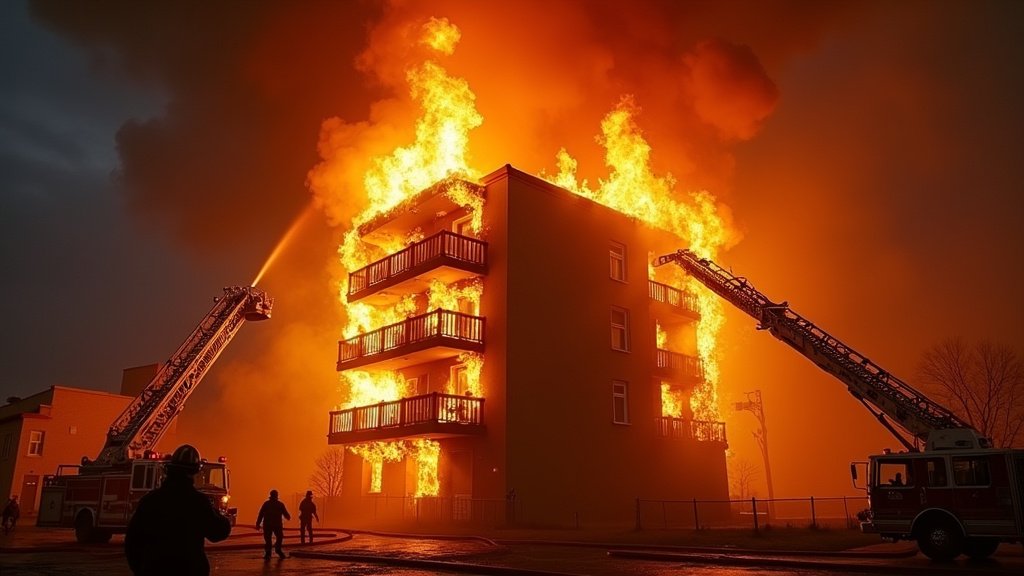
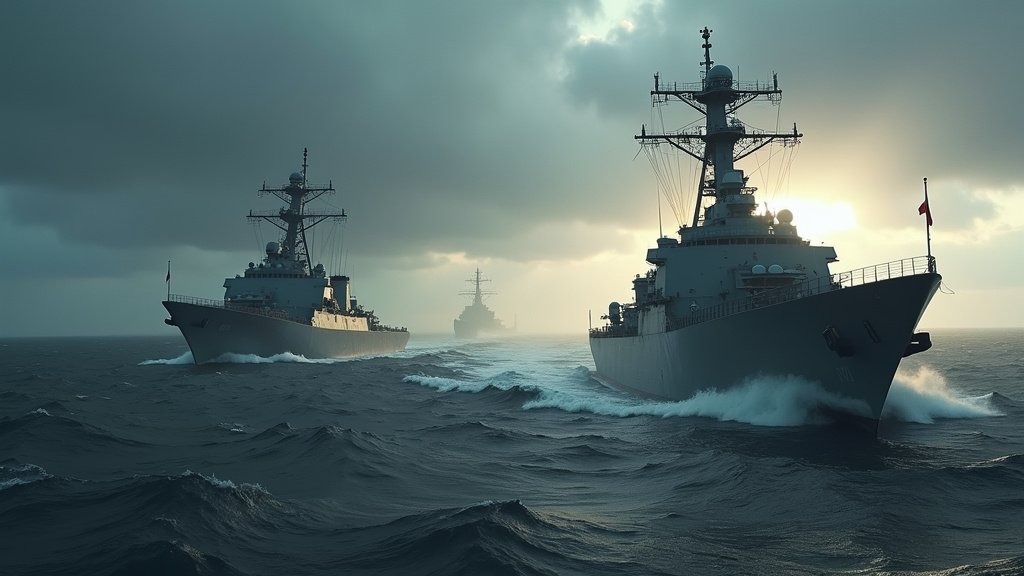
In a decisive response to aggressive maneuvers in the Gulf of Oman, U.S. Central Command (CENTCOM) confirmed today that American naval forces successfully neutralized five additional Iranian oil tankers. This engagement follows a direct ballistic missile attempt by Iranian forces targeting a U.S. warship, marking a dramatic intensification of maritime conflict. With this latest action, the total number of destroyed tankers has reached eight within a 72-hour period, a development that has sent shockwaves through global energy markets, pushing Brent crude futures to near-historic levels of $100 per barrel.
Key Highlights
- Military Escalation: U.S. Central Command confirmed the destruction of five tankers today, bringing the four-day total to eight vessels sunk or rendered inoperable in the Gulf of Oman.
- Triggering Event: The U.S. intervention was in direct response to ballistic missile attempts launched by Iranian-aligned forces against a U.S. warship patrolling the vital waterway.
- Market Reaction: Brent crude oil prices have surged, inching toward the $100-per-barrel threshold as investors brace for supply chain disruptions in the strategic Strait of Hormuz.
- Ongoing Operations: U.S. naval assets remain on high alert in the region, conducting continued patrols to protect commercial shipping lanes and uphold international freedom of navigation protocols.
Escalating Tensions in the Gulf of Oman
The Operational Reality
The Gulf of Oman has become the epicenter of a dangerous game of maritime brinkmanship. According to details provided by U.S. Central Command, the sequence of events began when a U.S. naval vessel identified incoming ballistic missile signatures originating from coastal battery positions. The crew of the warship exercised immediate defensive measures, successfully intercepting the threat before neutralizing the perceived source of the aggression: the Iranian oil tankers operating in close proximity to the strike zone. This engagement is part of an ongoing series of confrontations that have challenged the established security architecture of the region.
Analysts suggest this is not an isolated skirmish but a fundamental shift in how the U.S. chooses to project power in response to regional proxies. By targeting the tanker fleet—the lifeblood of the regional economy—the U.S. is signaling that the costs of military aggression will be levied directly against assets essential to the state’s economic viability. The fact that eight tankers have been removed from service in just four days demonstrates a high-intensity operational tempo that the Iranian Revolutionary Guard Corps (IRGC) may not have anticipated.
The Strategic Game
The Strait of Hormuz, adjacent to the Gulf of Oman, is one of the world’s most vital chokepoints. Roughly 20% of the world’s petroleum consumption flows through this narrow channel daily. When the U.S. intervenes in these waters, it does so under the doctrine of ‘Freedom of Navigation.’ However, the frequency of these encounters is stretching naval resources and complicating diplomatic channels. The current U.S. strategy appears to be a dual-track approach: active military deterrence combined with a clear message to the international community that the status quo of regional destabilization is no longer sustainable.
The Economic Fallout and Energy Security
Market Volatility and Brent Crude
Energy markets are notoriously sensitive to instability in the Middle East, and the current situation is no exception. As news of the tanker destructions broke, Brent crude futures spiked, rapidly approaching the $100-per-barrel milestone—a level not sustained since previous global energy crises. Traders and hedge funds are factoring in the risk premium associated with potential blockade scenarios in the Strait of Hormuz. If this conflict leads to a sustained reduction in the throughput of oil from the Persian Gulf, the world could see immediate inflationary pressure on gasoline and heating oil prices globally.
This economic volatility is compounded by the fact that many of these tankers serve Asian markets, particularly China and India, which are major importers of Iranian crude. The destruction of these vessels represents not just a military setback for Iran, but a significant logistical crisis for its client states. Consequently, we are seeing a decoupling of global oil pricing as markets attempt to navigate the uncertainty of a fractured supply chain.
Insurance and Shipping Costs
Beyond the raw price of crude, the shipping industry is facing a crisis of confidence. Marine insurers are rapidly adjusting premiums for any vessel traversing the Gulf of Oman. ‘War risk’ surcharges are reportedly hitting record highs, effectively pricing out smaller independent tanker operators. This creates a secondary effect where only larger, state-backed, or heavily insured fleets can afford to operate in the area. This centralization of maritime traffic creates a high-value target environment, further increasing the potential for future escalation.
Future Implications and Geopolitical Balancing
Diplomatic Backchannels
While the military situation remains fluid, diplomatic channels are likely working in overdrive. The U.S. faces the challenge of curbing Iranian aggression without triggering a full-scale regional war. There is a delicate balance in maintaining the security of the strait while avoiding the optics of an occupying force. Regional partners in the Gulf Cooperation Council (GCC) are likely to be caught in the middle, balancing their security alliances with the U.S. against their geographic proximity to Tehran.
Freedom of Navigation Operations (FONOPs)
Looking forward, the U.S. is expected to maintain its presence in the region, utilizing advanced radar systems and rapid-response assets to counter asymmetric threats like coastal missiles and drone swarms. The effectiveness of the latest U.S. countermeasures—successfully identifying and neutralizing the threats—suggests that investment in directed-energy weapons and rapid missile defense systems is paying dividends. As we look to the coming weeks, the primary indicator for de-escalation will be the status of commercial traffic. If insurers and shipping companies begin to reroute vessels around the Cape of Good Hope, we can expect a long-term shift in global energy dynamics that could persist well beyond the current military engagement.
FAQ: People Also Ask
Why are these oil tankers being destroyed?
The U.S. military is acting in defense of its vessels after detecting ballistic missile attempts originating from or associated with Iranian forces. The destruction of the tankers is the resultant kinetic action taken to neutralize the immediate threat to the warship.
How will this impact global gas prices?
The impact is immediate and upward. As markets react to the instability in the Gulf of Oman—a critical energy chokepoint—the risk premium on Brent crude oil increases, which typically flows through to higher pump prices for consumers worldwide.
Is the Strait of Hormuz closed?
As of the latest reports, the Strait of Hormuz remains open. However, increased naval presence and the risk of conflict are leading shipping companies to exercise extreme caution, which may lead to delays or rerouting, potentially impacting supply chain stability.
What is the role of CENTCOM here?
U.S. Central Command (CENTCOM) is the combatant command responsible for U.S. military operations in the Middle East. They are responsible for the defense of the U.S. warship and the enforcement of international maritime law in the Gulf region.