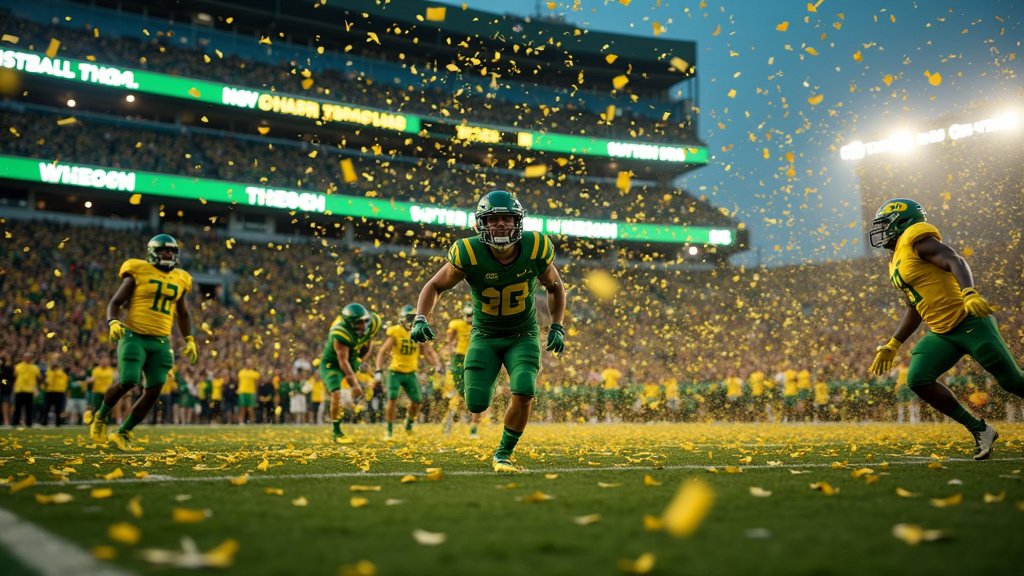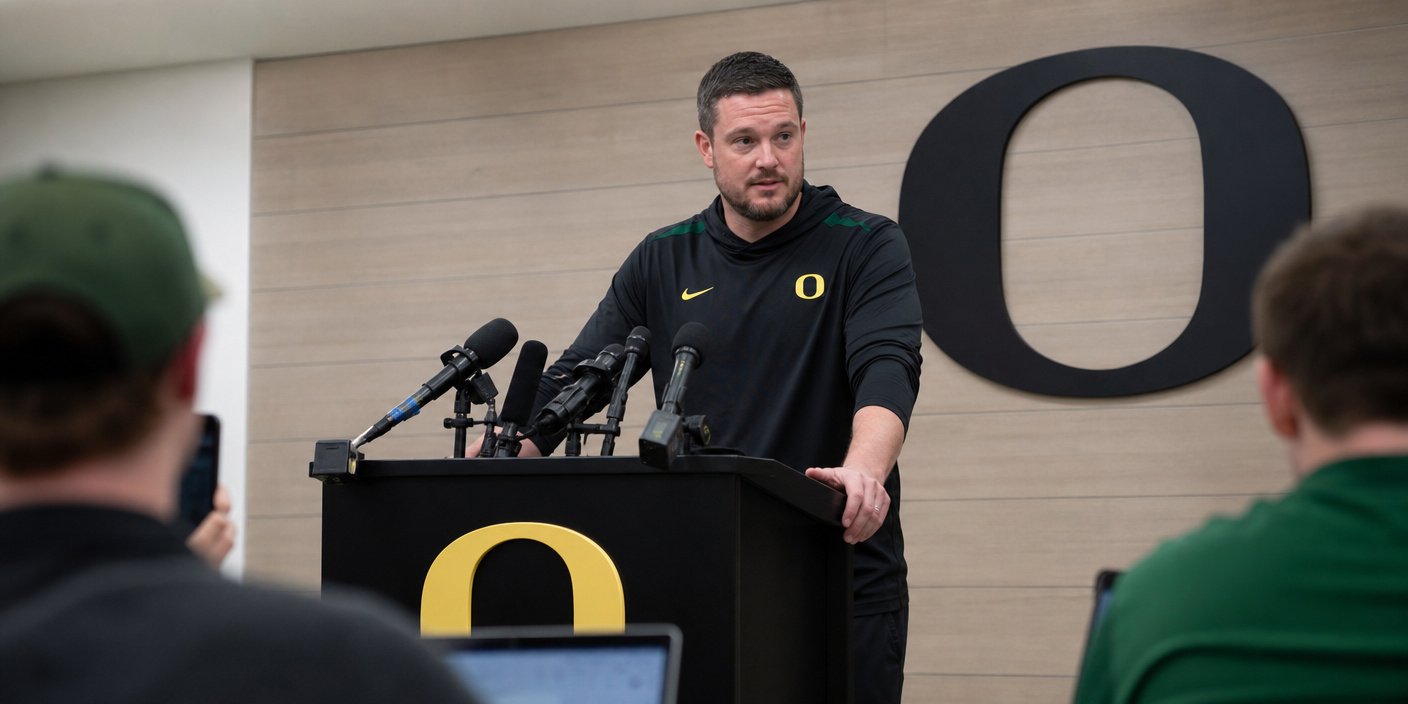
Oregon head coach Dan Lanning addressed the injury status of wide receivers Iverson Hooks and Jalen Lott in the wake of the Ducks’ dramatic 37-34 win over Boise State at Autzen Stadium. As the team navigates the early stages of a high-stakes campaign, the availability of depth pieces like Hooks and Lott has become a focal point for fans and analysts alike, particularly as the program continues to test its roster depth under the pressure of a new conference landscape.
Key Highlights
- Injury Status Confirmed: Both Iverson Hooks and Jalen Lott were officially sidelined for the Boise State matchup due to undisclosed injuries.
- Coaching Strategy: Dan Lanning reiterated his commitment to player privacy, maintaining his established protocol of not disclosing specific medical diagnoses to the media.
- Roster Depth Tested: The absence of the reserve wide receivers highlights the critical importance of the “next man up” philosophy that the Oregon coaching staff emphasizes during fall camp.
Navigating the Physical Toll of the Early Season
The victory over Boise State was not merely a win on the scoreboard; it was a physical endurance test. In the modern era of college football, where the speed of the game has escalated and the reliance on rotation-heavy offenses has become the standard, managing player health is as vital as managing the play-calling sheet. The absence of Iverson Hooks and Jalen Lott from the lineup against the Broncos brought the Oregon receiving room’s depth into sharp relief.
The Philosophy of Privacy in Coaching
Dan Lanning’s approach to injury reporting is consistent with many top-tier programs across the NCAA. By declining to provide specific details regarding the nature of the injuries sustained by Hooks and Lott, Lanning adheres to a philosophy that prioritizes the long-term recovery and personal privacy of the student-athletes. In a landscape defined by heightened media scrutiny and gambling implications, this “coach’s discretion” model serves to protect the players from unnecessary external pressure while allowing the medical staff to work without the distraction of public speculation.
Critics often point to the lack of transparency as a disadvantage for fans, yet within the locker room, this creates an environment of total trust. When a player like Hooks or Lott is sidelined, their teammates are instructed to focus exclusively on their own preparation, operating under the assumption that the depth chart is fluid and that every scholarship player must be ready to contribute at a moment’s notice. This internal culture is essential for Oregon, especially as they look toward the physical rigors of a full Big Ten schedule.
Impact on the Wide Receiver Rotation
The Oregon wide receiver unit is currently characterized by a mix of veteran stability and explosive young talent. Losing even depth players creates a ripple effect throughout the position group. When key targets are unavailable, it forces the coaching staff to condense the playbook, relying more heavily on primary starters. This places an increased burden on the team’s conditioning. The ability of players like Hooks and Lott to return to the field will be essential for maintaining the high-tempo offensive identity that Oregon has built its reputation upon.
Looking Ahead: The Depth Chart Challenge
As the Ducks look to maintain their momentum following the Boise State game, the recovery timelines for the injured receiving corps will be monitored closely. The coaching staff is undoubtedly utilizing this window to develop younger talent, ensuring that if the injury bug continues to bite, the transition in the passing game remains seamless. For Oregon, the goal remains singular: to keep the offensive engine firing on all cylinders while ensuring that the players themselves are at 100% health before returning to the gridiron.
FAQ: People Also Ask
Q: When will Iverson Hooks and Jalen Lott return to the field?
A: Coach Dan Lanning has not provided a specific timeline for their return. As per team policy, further updates on their availability will likely be provided closer to the next game week or during pre-game warmups.
Q: Does the absence of these receivers impact Oregon’s offensive strategy?
A: While the coaching staff prepares for all contingencies, the absence of depth receivers generally forces the team to rely on its established starters and hybrid personnel, such as tight ends, to fill the production gap, rather than fundamentally altering the offensive scheme.
Q: Why doesn’t Dan Lanning disclose specific injury details?
A: Like many collegiate head coaches, Lanning prioritizes the privacy of his student-athletes. Disclosing specific medical information can be sensitive, and keeping injury details internal helps the coaching staff maintain a competitive advantage by not revealing roster vulnerabilities to future opponents.