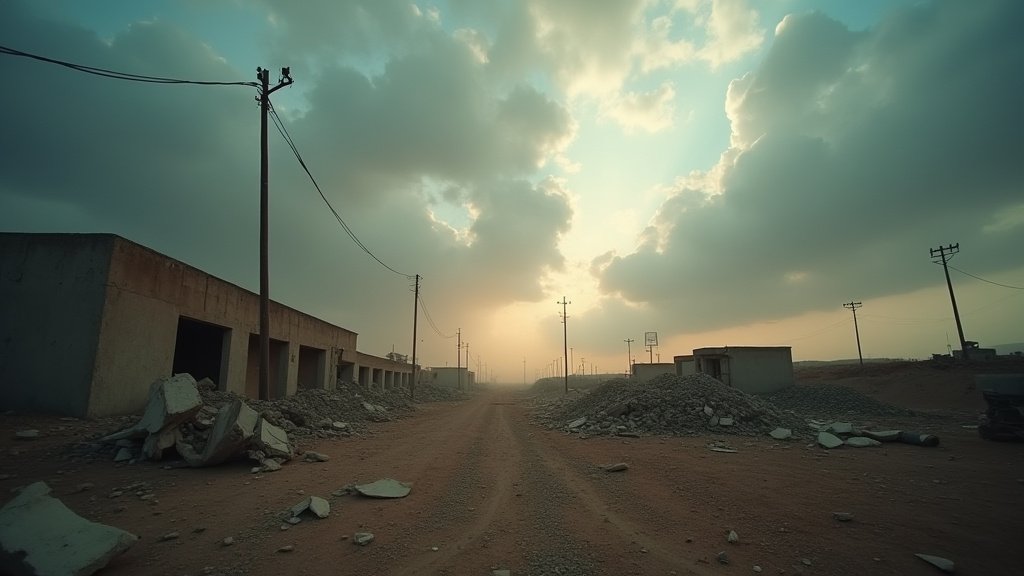
Israel launched strikes on Hezbollah targets in southern Lebanon on Tuesday, hours after a drone attack targeted a military site in northern Israel. The exchanges follow a U.S.-brokered ceasefire that was meant to end hostilities between Israel and Hamas in Gaza.
Key Highlights:
- Israeli forces targeted Hezbollah infrastructure in southern Lebanon.
- A separate drone attack occurred targeting a military site in northern Israel.
- The strikes come days after a U.S.-supported ceasefire deal for Gaza.
- Tensions remain high in the region despite efforts to de-escalate.
Regional Escalation Amidst Ceasefire Efforts
Recent events underscore the fragile security landscape in the Middle East, with cross-border hostilities between Israel and Hezbollah intensifying. The strikes on Tuesday targeted Hezbollah sites in southern Lebanon, a response to what Israeli officials described as rocket fire originating from Lebanese territory. This exchange marks a significant escalation of conflict along Israel’s northern border, occurring mere days after a U.S.-brokered ceasefire agreement aimed at halting the conflict in Gaza between Israel and Hamas. The delicate balance in the region is further threatened by these recurrent clashes, raising concerns about a wider conflagration.
Hezbollah’s Role and Israeli Response
Hezbollah, a powerful Lebanese militant group and political party, has been involved in skirmishes with Israel along the border since the outbreak of the Gaza war. These exchanges, while often less intense than the Gaza conflict, have led to casualties on both sides and prompted a significant number of evacuations from border communities in northern Israel. Israel’s military has stated its commitment to ensuring the security of its northern border and has vowed to respond forcefully to any attacks. The targeting of Hezbollah infrastructure is seen as a strategic move to degrade the group’s capabilities and deter further aggression.
Impact of the Gaza Ceasefire on Regional Dynamics
The recent U.S.-supported ceasefire deal for Gaza was hailed as a critical step towards de-escalating regional tensions. However, the continued exchanges of fire between Israel and Hezbollah demonstrate that the conflict’s ripple effects extend far beyond the Gaza Strip. The ceasefire’s success is intrinsically linked to the broader stability of the region, and any significant flare-up along other fronts, such as the Lebanese border, could jeopardize the fragile peace efforts. International mediators are working to ensure the Gaza deal holds while also attempting to contain the escalating conflict in the north.
International Concerns and Diplomatic Efforts
International actors, including the United States, have expressed deep concern over the ongoing hostilities. Diplomatic channels are reportedly active, with efforts focused on preventing a full-scale war between Israel and Hezbollah, which would have devastating consequences for Lebanon and could draw in other regional powers. The U.S. has been a key player in brokering the Gaza ceasefire and is also engaged in discussions to de-escalate the situation on the Israeli-Lebanese border. The complexity of the situation, involving multiple non-state actors and regional rivalries, presents a formidable challenge for diplomatic solutions.
FAQ: People Also Ask
What triggered the recent Israeli strikes in Lebanon?
Recent Israeli strikes in southern Lebanon were reportedly in response to rocket fire originating from Lebanese territory, which the Israeli military attributed to Hezbollah. These actions followed a drone attack on a military site in northern Israel.
How does the Gaza ceasefire relate to the Lebanon border conflict?
While the Gaza ceasefire aims to de-escalate the conflict between Israel and Hamas, the ongoing skirmishes between Israel and Hezbollah along the Lebanese border highlight the broader instability in the region. The success of the Gaza deal is partly dependent on preventing wider escalation, including on the northern front.
What is Hezbollah’s current involvement in regional conflicts?
Hezbollah has been engaged in regular exchanges of fire with Israel along the northern border since the start of the Gaza conflict. The group is a significant political and military force in Lebanon and has historically been involved in proxy conflicts in the region.
What are the potential consequences of further escalation between Israel and Hezbollah?
Further escalation could lead to a full-scale war, causing widespread destruction in Lebanon, significant casualties on both sides, and potentially drawing in other regional actors, which would have severe geopolitical and humanitarian repercussions.
What diplomatic efforts are underway to address the conflict?
International efforts, particularly from the United States, are focused on maintaining the Gaza ceasefire and preventing a broader regional conflict. This involves diplomatic engagement with all parties involved to de-escalate tensions and seek peaceful resolutions.