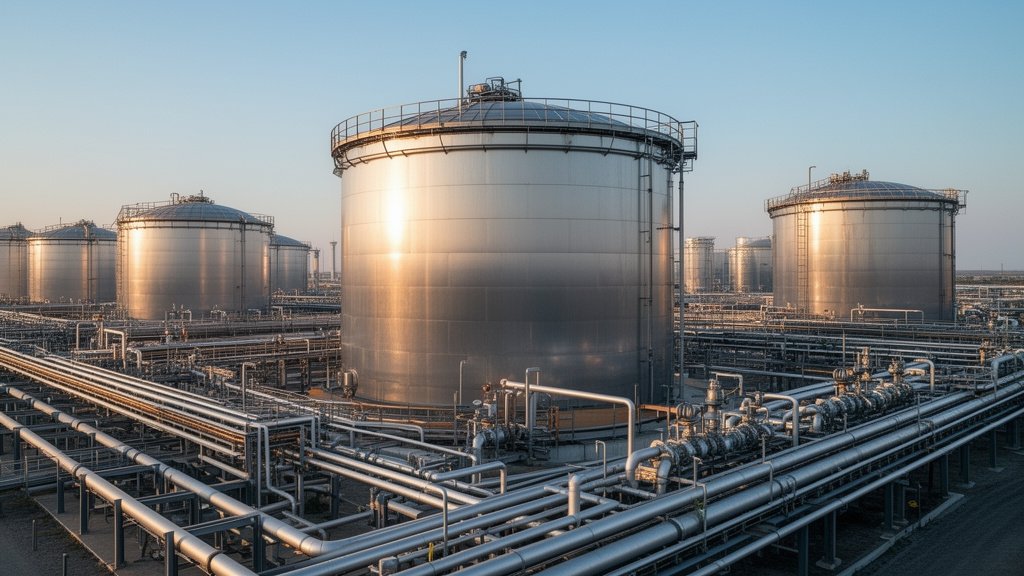
In an aggressive move to curb the inflationary surge impacting global markets, G7 nations have formally reached an agreement to release 100 million barrels of crude oil and diesel from strategic reserves. This synchronized intervention, designed to address the volatility in global energy markets, aims to provide immediate relief to consumers and industries grappling with the cascading effects of skyrocketing fuel costs. By tapping into these emergency stocks, the G7 alliance seeks to correct the supply-demand imbalance that has plagued the global economy, signaling a unified commitment to market stability.
Key Highlights
- Massive Supply Injection: A total release of 100 million barrels of crude oil and diesel reserves has been authorized across G7 nations.
- Direct Intervention: The move is a targeted response to rapidly climbing energy prices, intended to cool speculative market activity.
- Coordinated Defense: This action reinforces the collaboration between G7 nations and the International Energy Agency (IEA) to maintain global energy security.
- Stabilization Goals: Policymakers aim to dampen price volatility and ensure that critical diesel supplies remain available for transportation and industrial use.
Global Energy Stabilization: The Strategic Reserve Shift
The decision to inject 100 million barrels of oil and diesel into the marketplace is not merely a temporary fix; it is a calculated geopolitical and economic maneuver. As energy prices hit record highs, the cascading effect on the global supply chain has become unsustainable. From the logistics sector, which relies heavily on diesel, to manufacturing and heating, the cost of energy has become the primary driver of broader inflation. By deploying strategic reserves, the G7 is utilizing the most powerful lever available to governments to influence market sentiment and physically increase supply.
The Anatomy of the Energy Crisis
To understand the necessity of this 100 million barrel release, one must analyze the unique pressure on energy markets. Recent volatility was driven not just by raw demand, but by a structural disconnect in the global supply chain. Refineries have been operating near capacity, yet the specific demand for diesel—the lifeblood of global logistics—has outstripped output. This supply constraint, coupled with geopolitical instability, created a ‘perfect storm’ of pricing. The G7’s strategic release is designed to act as a buffer, preventing the supply shortage from creating a catastrophic bottleneck in global trade routes.
Mechanisms of Market Control
How exactly does a reserve release affect the market? It functions primarily through a combination of supply reality and psychological signaling. When 100 million barrels are added to the market, it increases the ‘days of supply’ available to refiners and consumers. More importantly, it signals to commodities traders and market speculators that the G7 nations are prepared to defend price levels. This often forces speculative ‘short’ or ‘long’ positions to adjust, which can lead to a rapid decompression of price premiums that have been built into the futures market.
Economic Impacts: Beyond the Pump
The implications of this release extend far beyond the price at the gas station. Diesel fuel, in particular, is the critical input for heavy freight, agriculture, and shipping. By stabilizing diesel supply, the G7 is effectively acting to reduce the cost of moving goods around the world. As freight costs stabilize, the upward pressure on the price of consumer goods—ranging from groceries to electronics—is expected to moderate. Economists note that while this supply injection cannot reverse structural inflation overnight, it serves as a crucial ‘circuit breaker’ to prevent the energy market from overheating further.
Geopolitics and Energy Independence
This decision also highlights a shift in energy policy. By utilizing national strategic reserves, G7 nations are asserting a degree of energy independence. The release is a message that strategic stockpiles are not just for wartime or absolute emergencies; they are modern economic tools to be used against economic warfare or severe market manipulation. This move forces a re-evaluation of energy dependency, pushing nations to prioritize domestic production and more secure supply chains in the long term, even as they utilize these short-term fixes.
The Balancing Act: Short-Term Relief vs. Long-Term Policy
A critical secondary angle often debated is the tension between these short-term emergency releases and the long-term energy transition. Critics argue that relying on reserve releases does not solve the fundamental problem of dependence on fossil fuels. However, proponents point out that the energy transition cannot occur if the global economy collapses under the weight of unaffordable fuel costs. This 100 million barrel release is, therefore, a bridge—providing the stability necessary to continue the transition to green energy without inducing a global recession. It is a tactical decision to secure the present while the future infrastructure is being built.
FAQ: People Also Ask
Q: How does releasing strategic reserves lower prices?
A: Releasing reserves increases the total supply of oil and diesel available in the market. This addresses the supply-demand deficit, cools speculative fear, and provides refiners with the necessary inputs to maintain production, which collectively helps to curb price spikes.
Q: What is the difference between crude oil and diesel reserves in this context?
A: Crude oil is the raw material used to produce gasoline and heating oil, while diesel is a refined product critical for heavy industry and transportation. The release of both ensures that there is enough raw material to process and enough ready-to-use fuel for the logistics sector.
Q: How long will it take for consumers to see the impact of this release?
A: Market impact is often immediate, as commodity traders price in the incoming supply. However, the physical effect on local retail prices at the pump or for industrial contracts may take several weeks as the inventory moves through the refining and distribution chain.