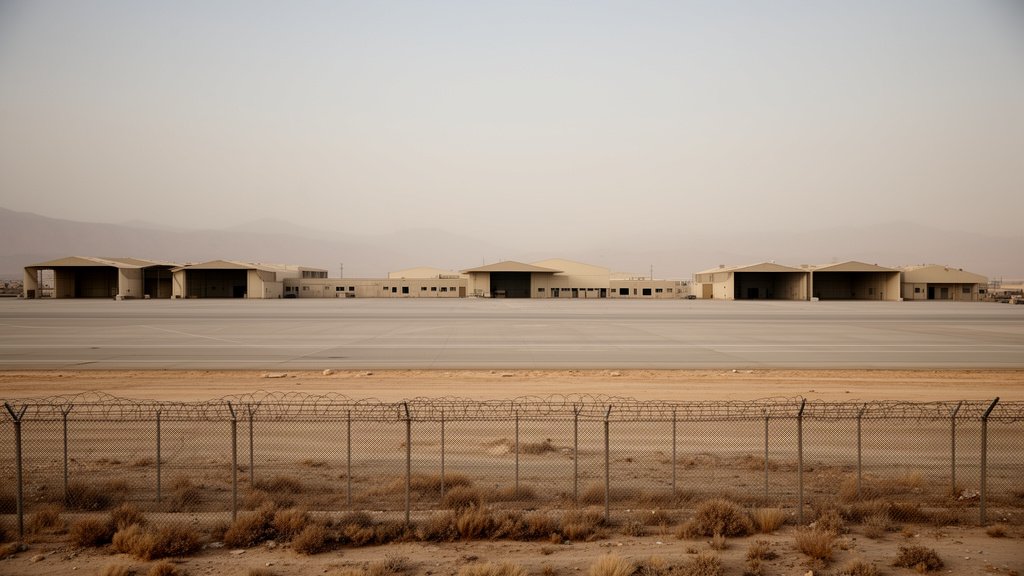
The U.S. military has formally concluded its 12-year presence in Iraq, marking a definitive end to the wartime coalition mission. With the final contingent of troops vacating the air base in Irbil, northern Iraq, control of security operations has been officially transitioned to an Iraqi-led framework, signaling a major strategic pivot for regional stability.
Key Highlights
- Official end of the 12-year combat and coalition mission in Iraq.
- Final troops exited from the strategic air base in Irbil, northern Iraq.
- Transition to an Iraqi-led security framework is now fully operational.
- Marks the close of Operation New Dawn and the exit of the U.S. military presence as a combat force.
The Strategic Pivot: Assessing the End of the Iraq Coalition
The formal departure of U.S. forces from the Irbil air base represents the closing chapter of a military engagement that began in 2003. This withdrawal is not merely a logistical milestone but a profound geopolitical recalibration. For over a decade, the U.S. military served as the primary guarantor of stability, counter-insurgency operations, and infrastructure development. The handover of command to the Iraqi Security Forces (ISF) effectively terminates the combat mission, placing the burden of national sovereignty squarely on local institutions.
The Irbil Departure: Logistics and Operations
The evacuation of the Irbil base was executed with high-precision logistical planning. Known as a critical hub for northern operations, the base acted as a central nervous system for intelligence and troop coordination. The decommissioning of this facility serves as the final “check-out” point in a multi-stage withdrawal process. Military commanders have emphasized that the drawdown was conducted in accordance with security agreements that prioritize the normalization of relations between the U.S. and the sovereign government of Iraq. This process involved the transfer of specialized equipment, base infrastructure, and intelligence data, ensuring that the Iraqi counterparts were positioned to maintain security integrity without immediate external reliance.
From Operation Iraqi Freedom to Stability
To understand the magnitude of this withdrawal, one must look at the evolution from Operation Iraqi Freedom to Operation New Dawn. The mission shifted from active combat and regime stabilization to an advisory and assistance role. This transition was marked by a gradual reduction in “boots on the ground” and an increased focus on the training of Iraqi battalions. The departure from Irbil acts as the symbolic punctuation mark on this trajectory. By withdrawing the last combat-ready units, the coalition has signaled its confidence—or at the very least, its strategic commitment—to the sustainability of the Iraqi security framework, despite critics who argue that internal vulnerabilities remain a significant risk factor.
The Legacy of the 12-Year Commitment
History will likely judge the 12-year commitment through a complex lens. Economically, the cost of the intervention reached hundreds of billions, fundamentally altering the national debt landscape of the United States and driving domestic policy debates for over a decade. Militarily, the conflict introduced new paradigms in urban warfare, drone usage, and asymmetric combat strategies. The institutional memory built during this time has reshaped the U.S. Department of Defense’s approach to foreign intervention, emphasizing the difficulty of nation-building in post-conflict environments. The legacy of this mission will be defined by the resilience of the Iraqi democratic institutions in the coming years.
Geopolitical Rebalancing in the Middle East
The withdrawal creates a power vacuum that regional actors are eager to fill. With the removal of the U.S. military presence, neighboring powers, including Iran and Turkey, face a new strategic reality. The Iraqi government is now under immense pressure to navigate these regional tensions while asserting its own diplomatic autonomy. The U.S. departure effectively forces a “neighborhood watch” scenario where Iraqi security is no longer an international mandate, but a domestic necessity. This shift is expected to accelerate the development of Iraq’s independent diplomatic channels as the nation seeks to balance its security interests against the influence of regional neighbors.
Challenges Ahead for the Iraqi Security Framework
Despite the successful transition, the road ahead is fraught with difficulty. The Iraqi Security Forces (ISF) face the daunting task of maintaining order without the logistical support, air cover, and intelligence sharing previously provided by the coalition. Challenges include the containment of insurgent remnants, the management of sectarian frictions, and the hardening of national borders. The Iraqi government has launched comprehensive reform initiatives aimed at professionalizing its officer corps and procurement processes. Whether these institutions can withstand the pressure of a post-coalition environment will be the ultimate test of the mission’s long-term efficacy.
FAQ: People Also Ask
Q: Why did the U.S. military withdraw from Iraq after 12 years?
A: The withdrawal was driven by the expiration of the Status of Forces Agreement (SOFA) and a strategic policy shift to transition from active combat roles to an Iraqi-led security model, ending the mission known as Operation New Dawn.
Q: What happens to the Iraqi Security Forces (ISF) now?
A: The ISF now bears full responsibility for national security, including border defense, counter-insurgency, and urban order. They are tasked with utilizing the training and infrastructure transition provided by the U.S. to maintain stability independently.
Q: Does this signal total U.S. disengagement from the region?
A: No. While the combat mission and base operations have concluded, the U.S. maintains diplomatic ties with Iraq and continues to monitor regional stability through intelligence and long-range strategic oversight, though it no longer operates in a troop-heavy capacity.