Portland’s culinary landscape is undergoing a significant transformation with the grand opening of Sip & Forage, a sophisticated new food cart pod located at the prominent address of 1900 SW 5th Avenue. Moving away from the traditional, often cramped confines of downtown dining, this project occupies a site formerly serving as a bank, effectively repurposing rigid, sterile urban infrastructure into a vibrant, community-focused social hub. The centerpiece of this operation is a meticulously restored Airstream cocktail bar, which anchors the space and offers patrons a unique intersection of high-end beverage service and the casual, accessible nature of food cart culture.
Key Highlights
- Strategic Location: Located at 1900 SW 5th Avenue, this pod revitalizes a former bank site into a high-traffic pedestrian dining destination.
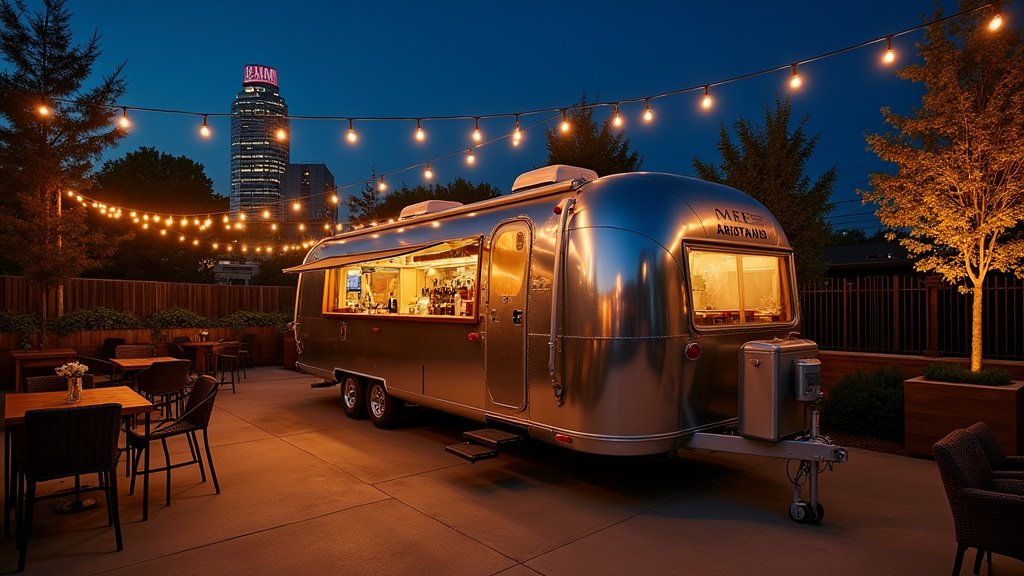
- Airstream Integration: The venue features a custom-fitted Airstream cocktail bar as the primary architectural and social focal point.
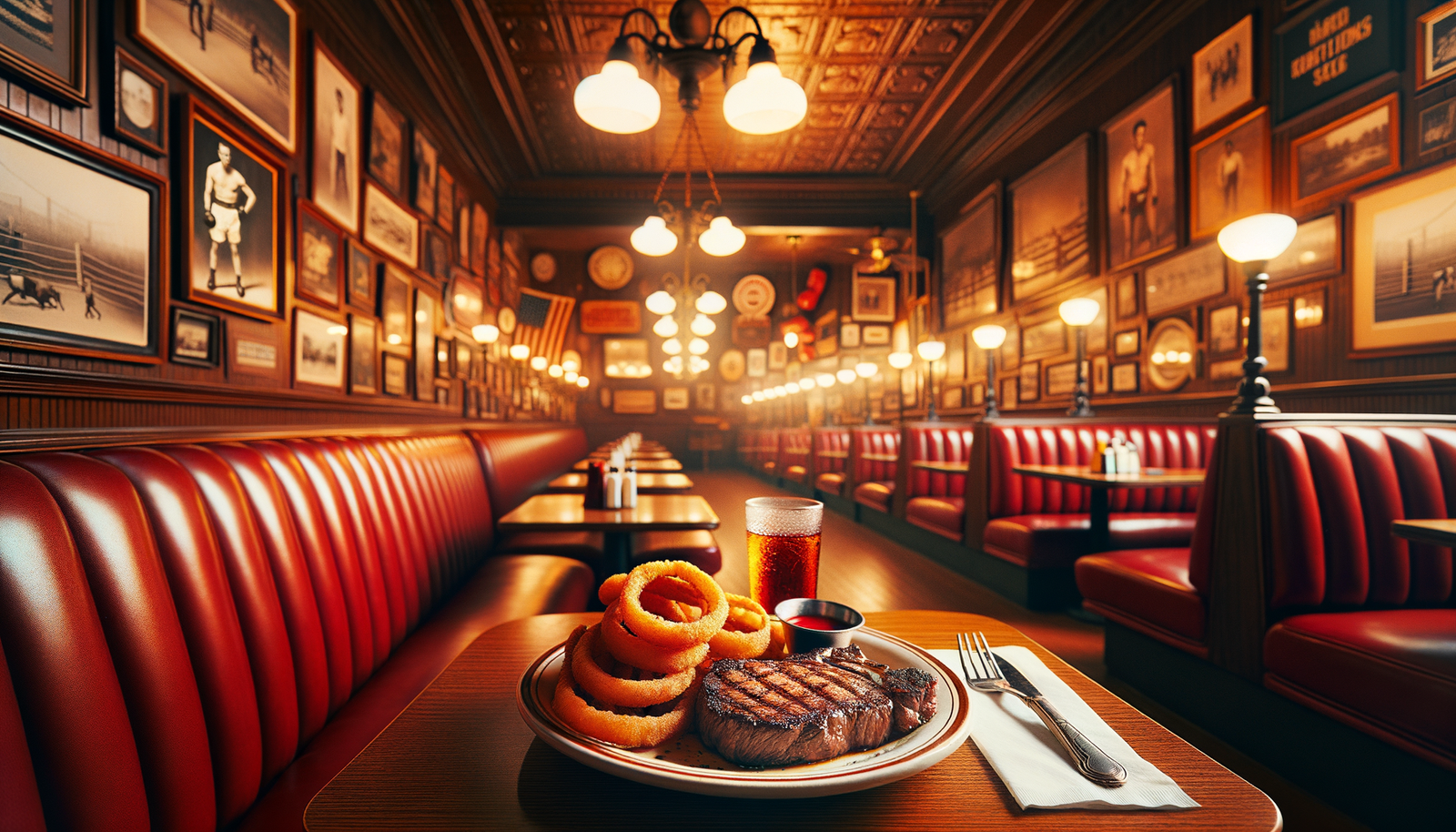
- Diverse Culinary Array: The pod includes specialized offerings such as Bistecca, bringing a gourmet, steak-centric menu to the outdoor cart format.
- Adaptive Reuse: The project exemplifies Portland’s trend of converting underutilized urban spaces into functional “third places” for socialization and dining.
The Architecture of Flavor: A Portland Transformation
The transformation of 1900 SW 5th Avenue from a staid financial institution into the Sip & Forage food pod is more than a simple business development; it is a masterclass in modern urban adaptive reuse. For decades, the site was characterized by the heavy, imposing architecture typical of mid-century banking facilities—concrete facades, limited transparency, and a design meant to convey stability rather than invitation. By stripping away these barriers and opening the lot, the developers have achieved a rare fluidity of space that encourages movement and congregation.
From Vaults to Vines: The Adaptive Reuse Trend
Adaptive reuse is the process of repurposing existing buildings for new uses, and in the context of the Portland food scene, it is a survival strategy. Restaurants in city centers face rising rent, labor shortages, and shifting consumer habits that favor speed and convenience. By utilizing a former bank lot, Sip & Forage avoids the massive overhead of permanent brick-and-mortar construction while retaining a high-value real estate footprint.
The aesthetic choice to utilize an Airstream trailer as the primary bar serves a dual purpose: it functions as a piece of mid-century Americana that bridges the gap between the building’s history and the modern “foodie” aesthetic, and it provides a mobile, flexible infrastructure. The polished aluminum exterior of the Airstream reflects the surrounding city lights, creating an inviting, luminous glow that contrasts sharply with the original gray concrete of the bank’s foundation. This visual juxtaposition has become a signature element of the pod, drawing in evening crowds and creating a distinct identity for the venue.
The Sip & Forage Ecosystem: A Blueprint for Micro-Dining
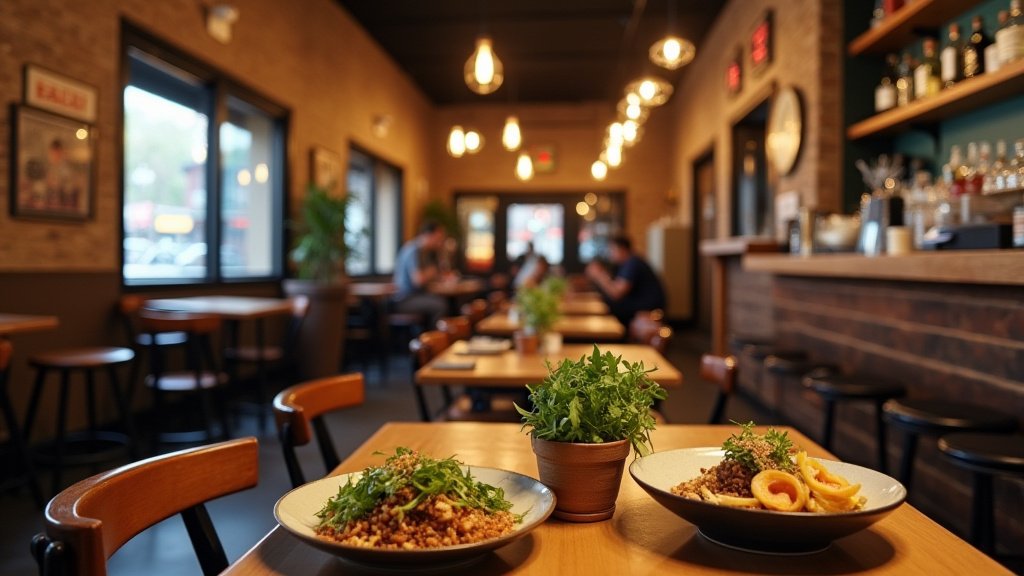
At the heart of the Sip & Forage model is the “Small Bites” philosophy. In an economy where diners are increasingly price-conscious, the ability to curate a meal from multiple vendors is a significant draw. The inclusion of Bistecca—a vendor dedicated to elevated steak preparations—within this pod structure validates the concept that high-quality, protein-heavy meals do not require a white-tablecloth environment.
The ecosystem relies on the synergy between the drink program (the cocktail Airstream) and the food vendors (like Bistecca). By creating a central “drinking destination,” the developers ensure that patrons stay longer, creating a higher revenue per visit than a standard grab-and-go cart pod might generate. This is a deliberate design choice: when a customer buys a cocktail, they are more likely to pair it with multiple small plates, effectively increasing the ticket size per customer visit.
Portland’s Culinary Resilience: Why Pods Matter
Food cart pods are the backbone of Portland’s resilience. Unlike restaurants, which are locked into long-term commercial leases and rigid operational structures, carts are agile. They can pivot menus, change pricing, and move locations if demand shifts. This resilience is critical in a post-pandemic economic environment.
The Sip & Forage pod adds a layer of permanence to the cart model by providing consistent infrastructure—power, water, and managed public space. This professionalization of the pod model is the future of urban dining. It removes the “sketchiness” often associated with older, unmanaged lots and replaces it with a curated, safe, and atmospheric environment. For the city of Portland, this means more tax revenue, more foot traffic for local downtown businesses, and a revitalized aesthetic that replaces empty concrete lots with active human connection.
FAQ: People Also Ask
Q: What is the exact location of Sip & Forage?
A: Sip & Forage is located at 1900 SW 5th Avenue, Portland, occupying the site of a former bank.
Q: What makes the Airstream bar unique?
A: The Airstream bar serves as the aesthetic and functional anchor of the pod, combining mid-century design with modern cocktail service to create a distinct “third place” atmosphere.
Q: Are there food options other than the cocktail bar?
A: Yes, the pod hosts multiple food vendors, including Bistecca, which focuses on high-quality steak dishes to complement the cocktail menu.
Q: Why is this considered an adaptive reuse project?
A: The project is considered adaptive reuse because it converts a former financial institution (a building and site designed for banking) into a bustling, outdoor culinary hub, repurposing existing infrastructure rather than demolishing it for new construction.