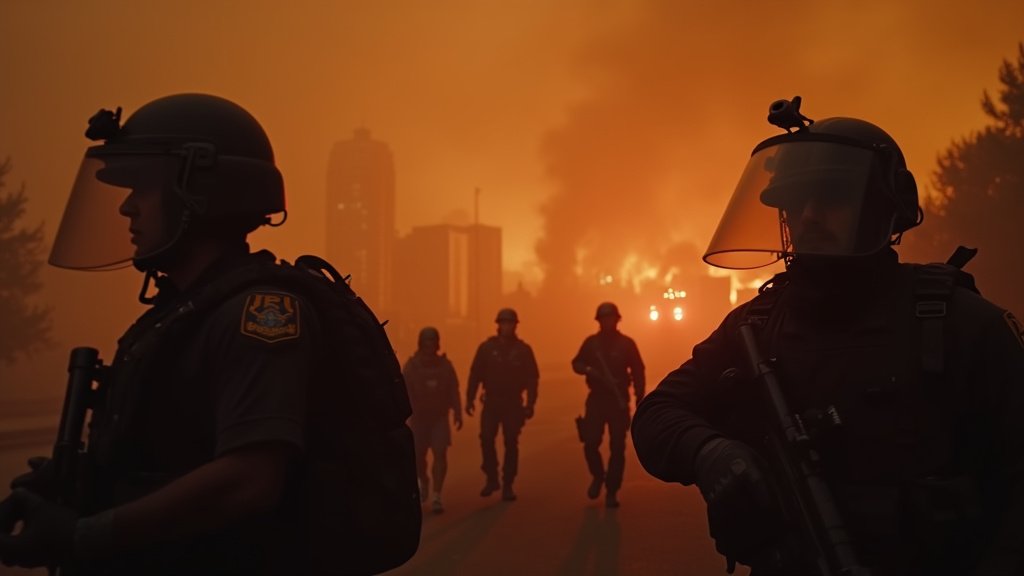
Six years after the 2020 Echo Mountain Fire turned homes to ash and upended lives, a sense of stability has finally returned to a segment of the displaced population. Lincoln City has officially inaugurated its $1.7 million tiny home pilot village, providing long-term, stable housing for survivors who have faced years of displacement in a region where recovery barriers have remained stubbornly high. This project represents more than just construction; it is a critical intervention in the long-tail recovery of a community that was among the hardest hit by Oregon’s historic 2020 wildfire season.
Key Highlights
- A $1.7 million investment has materialized into a dedicated tiny home village designed specifically to address housing shortages for Echo Mountain Fire survivors.
- The initiative provides a permanent housing solution for victims, many of whom have spent the last six years navigating the complexities of the rental market and recovery assistance programs.
- This pilot program serves as a scalable model for regional authorities to address chronic housing inventory issues compounded by natural disasters.
Rebuilding Foundations: The Path from Disaster to Stability
The 2020 Echo Mountain Fire did not just destroy property; it shattered the fragile housing ecosystem of Lincoln County. When the flames subsided, the immediate trauma of the event gave way to a secondary, slower-moving crisis: a lack of affordable, stable inventory. For many survivors, the immediate aftermath was characterized by a chaotic shuffle between temporary rentals, extended-stay motels, and the hospitality of friends and family. As years passed, the urgency of disaster aid often waned in the public consciousness, even while the residents remained displaced.
The Mechanics of the Pilot Village
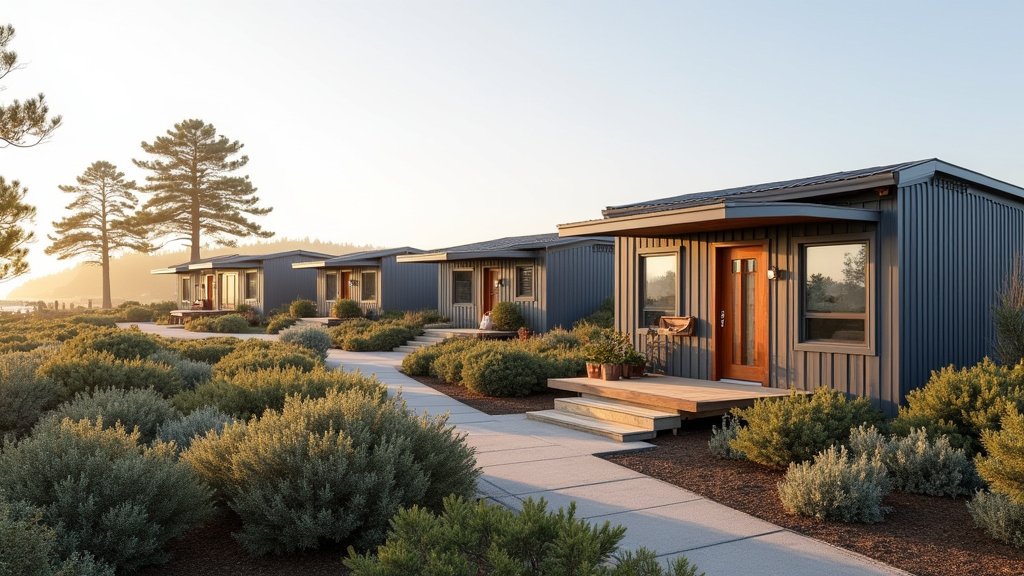
The $1.7 million pilot village is not merely a collection of structures; it is a carefully calibrated response to the unique geography and economic constraints of the Oregon coast. By utilizing the ‘tiny home’ format, developers were able to maximize density while maintaining a sense of privacy and dignity for residents. Unlike monolithic apartment complexes, these units offer a sense of ownership and personal space that mimics the single-family lifestyle many residents lost during the fire.
Each unit is outfitted to withstand coastal weather conditions—a nod to the environmental factors that helped fuel the 2020 blaze in the first place. The village is designed with integrated safety features, prioritizing fire-resistant materials and smart utility management, ensuring that this new community is not just a place to live, but a resilient investment for the future. The project was financed through a coalition of state and local funds, acknowledging that local municipal budgets alone could not bear the weight of such a significant recovery effort.
The Economic Reality of Coastal Displacement
The economic ripple effect of the Echo Mountain Fire was profound. Tourism and service-sector economies were already struggling; the loss of residential housing inventory only exacerbated the labor shortage. When survivors moved out of the area due to lack of housing, the local economy lost vital workers. This tiny home project, therefore, is an economic development tool as much as it is a humanitarian one. By providing stable housing, the project allows residents to root themselves back into the community, re-enter the local workforce, and contribute to the economic stabilization of Lincoln City.
Scaling the Model: A Blueprint for Future Recovery
One of the most critical aspects of this pilot is its potential for replicability. The Oregon Department of Emergency Management and local planners are closely monitoring the occupancy rates, satisfaction levels, and maintenance costs associated with this village. If successful, the ‘Tiny Home Pilot’ methodology could become the standard response protocol for future disaster recovery efforts in rural and semi-rural areas across the Pacific Northwest.
It challenges the conventional wisdom that disaster recovery must always look like large-scale apartment complexes or FEMA-style trailer parks. Instead, it offers a middle ground—a community-centric approach that respects the individuality of the residents while addressing the macro-level need for density. As the first residents turn the keys to their new doors, they are not just settling into a house; they are settling into a precedent-setting community that may well dictate the future of disaster-resilient housing in the region.
FAQ: People Also Ask
Who is eligible for the tiny home village?
The village is specifically prioritized for documented survivors of the 2020 Echo Mountain Fire who have remained in a state of housing insecurity since the event. Applications were managed through local housing authority intake processes, prioritizing those with the longest duration of displacement.
Is this permanent or transitional housing?
This project is designed as permanent housing. The goal was to remove the ‘temporary’ label from the residents’ living situation, allowing them to rebuild their lives without the looming uncertainty of a lease expiring or an owner selling the property.
How does this project address wildfire risk for the future?
The village incorporates ‘Firewise’ landscaping principles and fire-resistant building materials. The structural design emphasizes non-combustible exteriors and defensible space management, ensuring the village itself is protected against future wildfire threats.