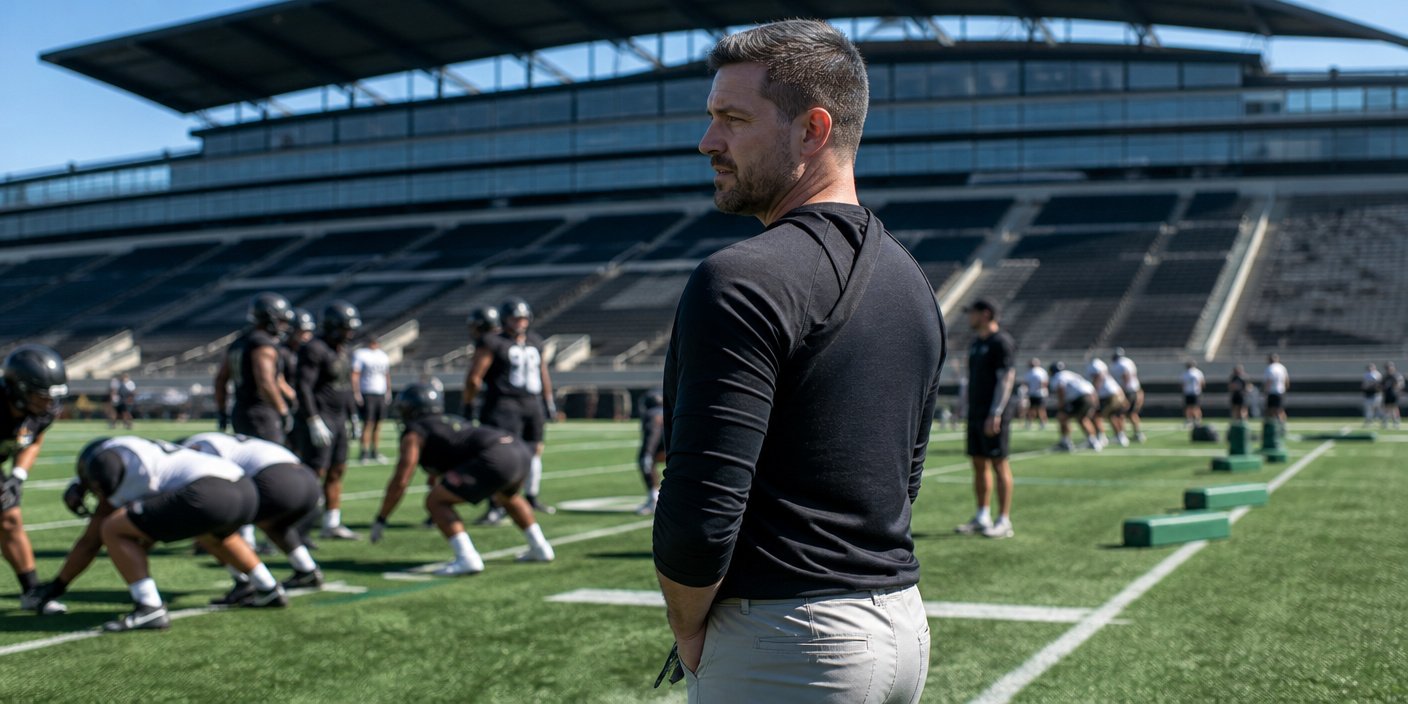
The Protect College Sports Act (PCSA) has emerged as the most significant legislative threat—and opportunity—for the current NCAA landscape, creating a potential federal firewall around the organization’s regulatory power. As the Oregon Ducks continue to leverage their massive, booster-backed NIL ecosystem to dominate recruiting cycles, the PCSA’s proposed anti-trust exemption could force head coach Dan Lanning and his administration to fundamentally alter their approach to roster construction. By granting the NCAA the legal authority to enforce national standards, the legislation aims to end the ‘Wild West’ of NIL compensation that has currently allowed programs like Oregon to flourish under state-specific, athlete-friendly laws.
Key Highlights
- Antitrust Immunity: The PCSA proposes a narrow antitrust exemption, allowing the NCAA to set binding national rules for athlete compensation without fear of constant litigation.
- The Oregon Factor: Programs like Oregon, supported heavily by high-net-worth boosters and collectives like Division Street, face a potential ceiling on the aggressive financial packages that have made them recruiting powerhouses.
- Lanning’s Adaptive Strategy: Dan Lanning’s ability to recruit top-tier talent in the current NIL landscape may be tested if federal regulations standardize compensation and restrict booster-led collective funding.
- Federal Preemption: The act would likely supersede state laws, effectively stripping states like Oregon of their ability to offer competitive advantages through localized legislation.
The Legislative Crossroads: How the PCSA Reconfigures Oregon Football
The landscape of modern college football is currently defined by a fractured regulatory environment. While the NCAA struggles to maintain a baseline of amateurism and fair play, individual states have passed legislation designed to attract talent by allowing nearly unfettered NIL access. Oregon has been a primary beneficiary of this environment. Through the strategic utilization of entities like Division Street and the backing of deep-pocketed alumni, the Ducks have successfully navigated the complexities of NIL, turning Autzen Stadium into a destination for the nation’s highest-rated recruits. However, the introduction of the Protect College Sports Act threatens to bring a federal hand to this localized ecosystem.
The Anti-Trust Shield and NCAA Authority
At its core, the PCSA is designed to grant the NCAA a limited antitrust exemption. Currently, the NCAA operates in a state of ‘legal vulnerability,’ where every rule change regarding athlete pay risks a multi-million dollar lawsuit under the Sherman Antitrust Act. By passing the PCSA, Congress would essentially legalize the NCAA’s ability to act as a cartel once again. For Oregon, this means that the regulatory goalposts could shift overnight. If the NCAA is empowered to cap NIL earnings, establish a standardized national contract, or restrict the involvement of third-party collectives, the ‘Oregon Advantage’—which relies on high-level, aggressive compensation packages—could be neutralized. The university’s administration would have to transition from a model of hyper-competitive, booster-driven NIL funding to a standardized model where the ability to pay is strictly dictated by national NCAA bylaws rather than competitive market forces.
NIL and the Division Street Model
The Division Street collective represents the ‘gold standard’ of current collegiate NIL operations. By aggregating booster wealth and providing student-athletes with professional-level marketing and brand management, Oregon has built a sustainable pipeline that few programs can replicate. The PCSA poses a direct challenge to this model. Legislative advocates for the PCSA argue that the current disparity in NIL funding is detrimental to the long-term health of the sport, leading to massive attrition and instability. If the PCSA includes provisions that limit how much collectives can directly interact with recruits or mandate ‘revenue sharing’ models that redirect funds away from private collectives and into university-sanctioned pools, Oregon’s unique advantage would be severely diluted. This shift would represent a transition from ‘market value’ recruiting to ‘salary cap’ recruiting, where the sheer volume of wealth available to the Oregon program matters less than the NCAA’s ability to impose parity.
Dan Lanning’s Recruitment Philosophy
Dan Lanning has built his tenure at Oregon on a foundation of intense evaluation, relationship building, and an agile response to the transfer portal. While his coaching ability remains the primary driver of his success, he has been an undeniable beneficiary of the current, permissive NIL rules. A shift to a federally regulated environment would change the ‘pitch’ Lanning uses in living rooms across the country. If the NCAA enforces strict national rules on compensation, the recruiter who can promise the most lucrative, unregulated NIL deal is replaced by the recruiter who can promise the best developmental infrastructure. While Lanning excels in development, the reduction of the NIL variable would make the recruiting process more homogenous, potentially allowing traditional ‘blue blood’ programs to leverage their historical prestige more effectively against programs like Oregon that have risen recently through financial agility.
Beyond Oregon: The National Parity Question
While the focus remains on the impact at Autzen, the PCSA is ultimately a national play. Supporters argue that without this legislation, the sport faces an existential crisis of competitive imbalance. Detractors, however, argue that the PCSA is an attempt to suppress the market value of student-athletes who have finally gained leverage. For Oregon, the goal is to survive this transition without losing the momentum of the last three years. The university must prepare for a future where ‘NIL’ stands less for ‘Name, Image, and Likeness’ and more for ‘National Institutional Limits.’ If the legislation passes, Oregon will need to pivot its strategy from acquiring the best NIL-supported talent to developing a culture that thrives under a more restrictive, NCAA-managed financial framework. This evolution is not just a legal hurdle; it is an organizational restructuring that will define the next decade of Ducks football.
FAQ: People Also Ask
1. Would the Protect College Sports Act stop Oregon from using NIL entirely?
No, it would not stop NIL. Instead, it would likely impose federal oversight and stricter regulations on how these deals are negotiated, potentially standardizing them and curbing the influence of independent, booster-backed collectives that currently provide Oregon with an advantage.
2. Why is the NCAA seeking an antitrust exemption?
Currently, the NCAA is frequently sued under antitrust laws when it tries to restrict athlete compensation or enforce rules that could be seen as price-fixing. An exemption would give them legal ‘safe harbor’ to set rules without the constant threat of litigation.
3. How does this affect recruiting for the Oregon Ducks?
If the PCSA limits the amount or type of money that can be funneled through collectives, it levels the playing field. This could make it harder for Oregon to use its significant financial resources as a primary differentiator against other Power Four programs.
4. Is the PCSA already law?
As of the latest legislative cycle, the PCSA remains a proposal under debate. It has faced significant scrutiny in Congress, with ongoing negotiations regarding the extent of the exemption and protections for athletes’ rights, meaning the final version of any potential law could look very different from the current draft.