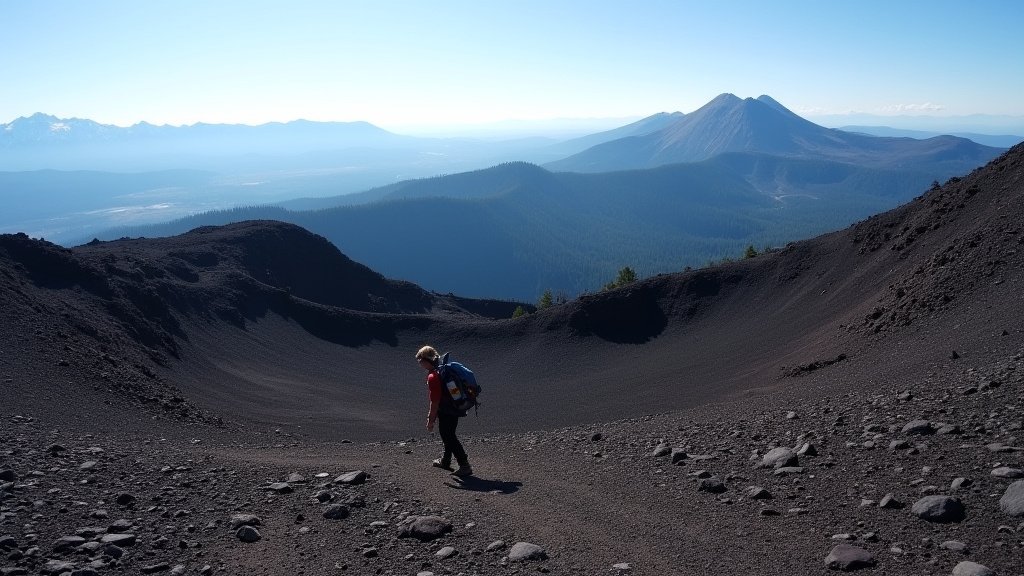
As of October 2026, Lava Butte stands as one of the most accessible and visually arresting geological features in the Pacific Northwest, drawing thousands to the heart of the Deschutes National Forest. While the allure of walking the rim of a 500-foot cinder cone remains a bucket-list activity for outdoor enthusiasts, navigating the operational logistics is now more critical than ever to ensure a stress-free visit. With updated enforcement of site-specific fees and a necessary distinction between transit options, preparation is the key to enjoying this iconic piece of Oregon’s volcanic history.
Key Highlights
- $5 Day-Use Fee: A mandatory $5 day-use fee applies to all visitors accessing the site, distinct from any shuttle costs.
- Shuttle vs. Parking: Shuttle tickets are not parking passes; visitors must secure the correct documentation for their chosen mode of transport.
- Hydration Protocol: Due to the high-desert climate and elevation, carrying ample drinking water is non-negotiable for all crater trail trekkers.
Navigating the Crater: A Visitor’s Operational Handbook
Lava Butte is more than just a destination; it is a living classroom of geological history, situated within the vast Newberry National Volcanic Monument. For travelers planning their excursion as of this October 2026 update, understanding the interplay between Forest Service regulations and on-site infrastructure is paramount. The U.S. Forest Service continues to manage this site with a focus on both visitor experience and the preservation of the delicate volcanic substrate.
Understanding the Logistics: Fees and Transit
The most common point of confusion for first-time visitors is the separation of transit and site access. The $5 day-use fee is a fundamental requirement for maintaining the Lava Lands Visitor Center and the trail facilities surrounding the butte. It is essential to note that paying for a shuttle ticket to the summit does not exempt a visitor from the general site day-use fee. These are two separate transactional layers. Visitors planning to drive to the summit parking area—when open—must be aware that vehicle capacity is strictly limited. During peak seasons, the shuttle system is the primary, and often the only, method of ascent. Always verify current operating hours and vehicle restrictions via the Deschutes National Forest official channels before departure, as these can shift based on road conditions and seasonal staffing.
Geological Significance: Why We Visit
Formed approximately 7,000 years ago, Lava Butte is a cinder cone volcano that erupted, sending lava flows across the surrounding landscape, effectively damming the Deschutes River and creating the area’s distinct geography. The trail around the crater rim offers a unique 360-degree perspective of the High Cascades, including views of Mt. Bachelor, Broken Top, and the Three Sisters. This geological window allows visitors to witness the sheer scale of the eruption that shaped Central Oregon. The path is well-maintained, but it remains a high-desert environment. The lack of shade and the reflective nature of the volcanic rock can lead to rapid heat accumulation, even on cool autumn days.
The Critical Importance of Hydration
Perhaps the most vital advice for any visitor to Lava Butte is the absolute necessity of water. The arid climate of the high desert can cause rapid dehydration, which is often exacerbated by the exertion of climbing the trail. There is no reliable potable water source at the summit rim. Visitors are strongly advised to carry at least one liter of water per person, regardless of the planned duration of the hike. This simple precaution ensures that the physical demands of the high-elevation environment do not compromise the safety of your group.
Beyond the Rim: Secondary Perspectives
To fully appreciate the scope of the Newberry National Volcanic Monument, it is beneficial to look beyond the crater rim. First, consider the historical context: The indigenous peoples of the region, including the Confederated Tribes of Warm Springs, have a deep, thousands-year-old connection to this land, a narrative often overlooked by casual tourists. Second, analyze the economic impact: The steady influx of visitors to Lava Butte has turned the Lava Lands Visitor Center into a critical hub for Central Oregon’s tourism-based economy, necessitating the strict fee structures now in place to maintain sustainable operations. Finally, look toward future predictions: As climate patterns in the Pacific Northwest continue to shift, the Deschutes National Forest is increasingly focusing on fire-mitigation strategies around the butte, meaning visitors may occasionally encounter trail closures or maintenance activities designed to protect this historic monument from wildfire damage.
FAQ: People Also Ask
Q: Are shuttle tickets the same as my parking pass?
A: No. Shuttle tickets cover the transportation service to the summit, while the $5 day-use fee is for access to the forest site. You must ensure you have both if you are parking a vehicle and taking the shuttle.
Q: Can I hike the trail if the shuttle is not running?
A: Access depends on seasonal closures. If the road to the summit is closed and the shuttle is not operating, the summit trail is typically inaccessible to the public to prevent damage to the ecosystem.
Q: What should I bring other than water?
A: Sturdy hiking shoes, sun protection (hat, sunscreen), and binoculars to better view the surrounding Cascade peaks are highly recommended due to the exposed nature of the summit trail.