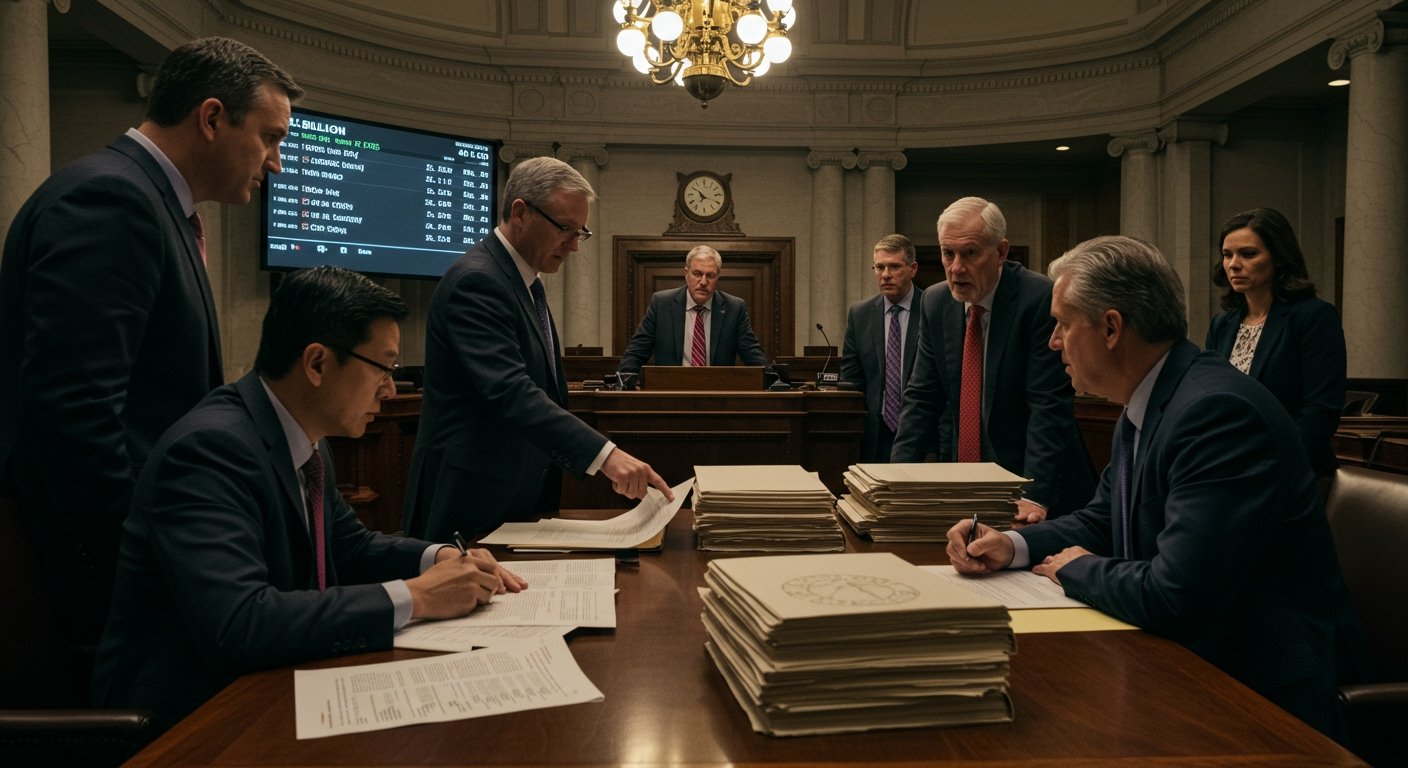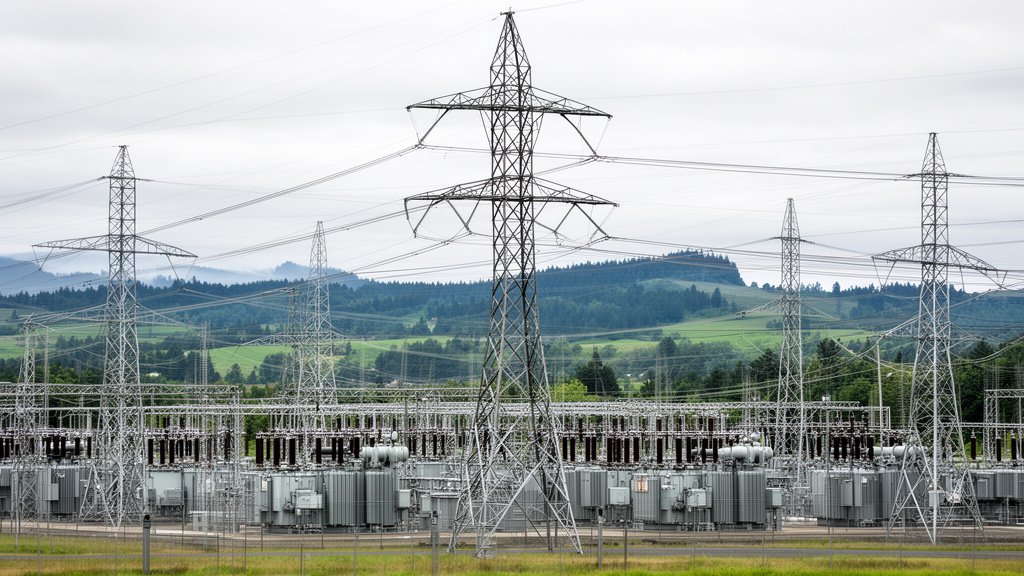
Oregon’s electrical grid is currently navigating a precarious intersection of rapid digital expansion and public utility management. As the demand for computing power from hyperscale data centers continues to climb, the state has been forced to re-evaluate how it distributes the costs of energy consumption. Recent data indicates that the Pacific Northwest is balancing a massive, AI-driven surge in electrical load with the necessity of keeping utility costs manageable for the average citizen. Central to this strategy is the recent application of the Oregon Power Act, a regulatory shift that has effectively protected Portland General Electric (PGE) customers from the volatility associated with massive industrial power usage.
The Shift in Cost Allocation
The traditional model for utility rate-setting has long been based on broad cost-averaging, where large industrial consumers and residential users share the burden of grid maintenance and expansion. However, the sheer scale of modern data centers—which can consume power equivalent to small cities—has rendered this model obsolete. Under the enforcement mechanisms outlined in the Oregon Power Act, a definitive pivot has occurred. Data centers are no longer being subsidized by residential households. Instead, these facilities are absorbing significant cost increases, specifically linked to the high-voltage infrastructure upgrades and transmission capacities required to support their operations.
This policy shift has yielded tangible results for PGE customers. While energy markets in neighboring states have seen sharp price spikes due to infrastructure lag, PGE has demonstrated a stabilized, and in some segments, decreased rate environment for residential ratepayers. This represents a triumph of regulatory intervention, ensuring that the “digital economy” pays for the physical infrastructure it necessitates.
Grid Reliability in the Age of AI
The technological imperative driving this energy demand is twofold: the proliferation of cloud computing and the integration of generative AI models. These systems require consistent, 24/7 uptime, placing an unprecedented load on Oregon’s baseload power. As Portland General Electric and the Oregon Public Utility Commission work to integrate these demands, the focus has shifted toward “load-specific” pricing.
By forcing data centers to shoulder their own infrastructure costs, the state is effectively discouraging the concentration of “inefficient” power usage, pushing companies toward high-efficiency design and on-site generation solutions. This strategy is not merely about cost; it is about grid reliability. By isolating the massive fluctuations caused by high-demand data centers, the rest of the grid—serving homes, small businesses, and schools—remains insulated from the immediate risks of brownouts or system failures during peak demand periods.
Secondary Implications: The Competitive Landscape
1. Regional Competition: Oregon’s aggressive regulatory stance places it in a unique position relative to Washington and California. While states like Washington have relied on hydro-heavy power availability, Oregon’s regulatory framework for cost allocation may become the blueprint for other states facing similar AI-driven energy crunches.
2. Transmission Infrastructure: The cost absorption by data centers is also financing critical updates to Oregon’s aging transmission network. These “necessary evils” of industrial growth are essentially funding the hardening of the grid against climate-related threats, such as wildfire-prone seasons that have historically destabilized supply lines.
3. Environmental Trade-offs: While the cost is being managed, the environmental footprint remains a focal point. With data centers absorbing the cost of infrastructure, the push for them to contract directly with renewable energy projects—rather than relying solely on the grid—is gaining momentum. This creates a secondary market for green energy credits that benefits the state’s broader decarbonization goals.
Future-Proofing the Grid
Looking ahead, the Oregon Power Act is expected to face legal and lobbying challenges from major tech entities looking to minimize their overhead. However, the regulatory consensus remains clear: utility commissions are increasingly prioritizing public reliability over private expansion speed. The current data reflects a market correction—a necessary adjustment to the realities of 21st-century power requirements. As Oregon moves forward, the success of this regulatory model will likely depend on the continued ability of PGE and state regulators to enforce these cost-sharing boundaries, ensuring that while Oregon invites tech innovation, it does not do so at the expense of its energy security or the financial well-being of its residents.
FAQ: People Also Ask
How does the Oregon Power Act impact residential PGE rates?
It prevents residential customers from subsidizing the massive infrastructure costs required by hyperscale data centers. By forcing data centers to absorb these costs, residential rates are shielded from inflationary pressures related to grid expansion, contributing to the recent rate decreases observed.
Are data centers paying for the entire grid upgrade?
No, they are primarily responsible for the specific high-voltage transmission and substation upgrades required to meet their immense load capacity. This prevents “cost-shifting,” where the general ratepayer would otherwise have to cover the cost of infrastructure built purely to support one industry.
Why is the electrical load from data centers such a concern in Oregon?
Data centers require consistent, high-capacity power to run AI and cloud systems. Because their power draw is massive and constant, it can strain the existing grid, potentially causing instability if not properly managed through specific load allocation policies.
Is this regulatory model being adopted elsewhere?
Other states with high data center concentrations, such as Virginia and Arizona, are closely watching Oregon’s approach. The shift toward making industrial users bear their own infrastructure costs is becoming a national trend in utility regulation.