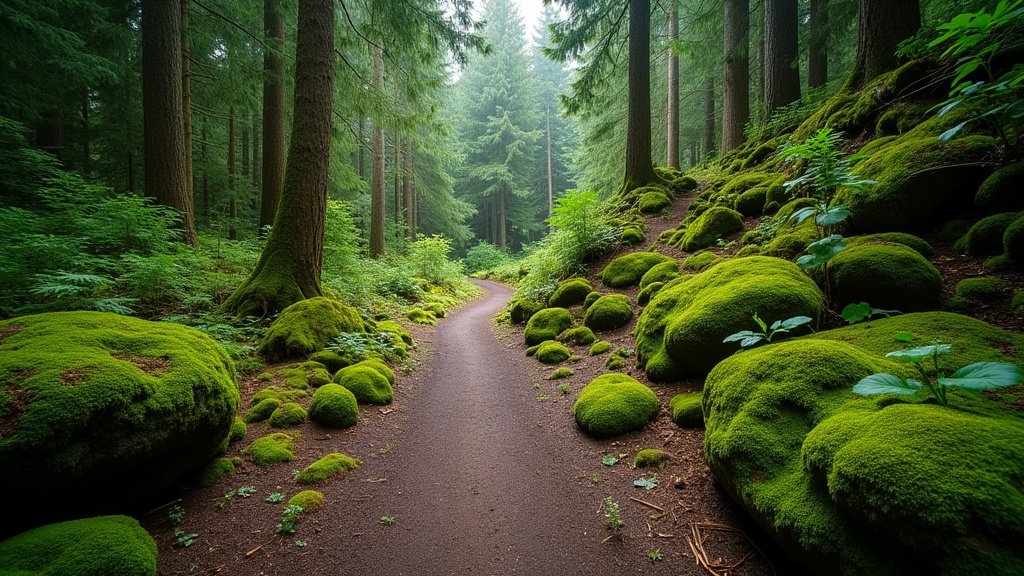
The Oregon Parks and Recreation Department (OPRD) has officially opened the application process for the 2026 Recreational Trails Program (RTP), earmarking $1.6 million in federal funding to catalyze the development, expansion, and essential maintenance of public trail networks across the state. This initiative, supported by the Federal Highway Administration (FHWA), aims to address the growing demand for accessible outdoor recreation while ensuring the longevity of Oregon’s diverse trail ecosystems.
Key Highlights
- Funding Scope: A total of $1.6 million is available for projects statewide, sourced from federal allocations.
- Objective: The program targets public trail construction, expansion, and critical maintenance to ensure safety and environmental sustainability.
- Scope of Work: Eligible projects range from urban pathways to rugged wilderness trails, reflecting the diversity of Oregon’s topography.
- Strategic Goal: Strengthening the state’s outdoor tourism infrastructure while promoting public health and community engagement.
Strengthening Oregon’s Outdoor Infrastructure
The launch of the 2026 Recreational Trails Program represents a pivotal investment in the backbone of Oregon’s outdoor lifestyle. As one of the premier states for hiking, cycling, and equestrian activities, the physical condition of Oregon’s trail systems directly influences public safety, tourism revenue, and the preservation of natural habitats. This grant cycle is designed to bridge the gap between the increasing usage rates of these trails and the financial capacity of local land managers to maintain them.
The Role of Federal Funding
The Recreational Trails Program operates under the umbrella of the Federal Highway Administration, which underscores the interconnected nature of modern infrastructure. By viewing trails as essential conduits for transportation and recreation—rather than mere recreational amenities—the FHWA ensures that states like Oregon can secure consistent funding. The $1.6 million allocated for the 2026 cycle is a direct injection of capital designed to alleviate the maintenance backlog that often accumulates in state and municipal trail systems.
Project Eligibility and Scope
Competition for RTP grants is historically high, necessitating that applicants demonstrate clear, achievable goals. The OPRD emphasizes that successful applications typically include a detailed scope of work covering either motorized or non-motorized trail development. This includes the stabilization of eroding trails, the installation of safety signage, the construction of bridges or boardwalks, and the expansion of existing routes to accommodate rising pedestrian traffic. For many rural municipalities, these grants are the primary vehicle for achieving safety-compliant trail upgrades that would otherwise be budget-prohibitive.
Economic and Environmental Stewardship
Beyond the physical dirt and stone, these projects carry profound economic weight. Outdoor recreation contributes significantly to Oregon’s economy, with trail-adjacent businesses—such as bike shops, gear outfitters, and local cafes—often serving as the primary beneficiaries of well-maintained public paths. Furthermore, the RTP grants demand a level of environmental stewardship. Projects must adhere to strict environmental compliance guidelines, ensuring that new trail construction does not inadvertently harm the biodiversity of the surrounding areas. The grant selection process therefore acts as a filter, favoring projects that offer a balance between accessibility and conservation.
Challenges in Trail Management
While the funding is substantial, trail managers face increasing challenges, including the effects of climate change. Increased wildfire activity and more severe winter storms have necessitated more robust trail designs and more frequent maintenance cycles. The 2026 funding cycle is expected to see a significant focus on “resilient infrastructure”—projects that are engineered to withstand the extreme weather patterns that have increasingly defined the Pacific Northwest climate in recent years. This strategic shift is vital to preventing the loss of historical and cultural access points across the state.
Looking Toward 2026 and Beyond
The application phase is not merely a request for funds; it is an invitation for communities to articulate their long-term vision for Oregon’s outdoor landscape. As the OPRD reviews the influx of proposals, they are looking for projects that align with statewide priorities: equitable access, safety, and sustainable trail management. For local governments, non-profits, and state agencies, this grant cycle is a critical opportunity to secure the resources necessary to keep Oregon’s trails as a top-tier destination for residents and visitors alike. The successful grantees will be the architects of the next generation of Oregon’s outdoor experiences, ensuring that the wilderness remains both wild and accessible.
FAQ: People Also Ask
Q: Who is eligible to apply for the 2026 Recreational Trails Program grant?
A: Eligibility typically extends to local governments, state and federal agencies, and non-profit organizations that manage or possess the authority to improve public trail systems. Applicants must demonstrate legal access to the land in question.
Q: Are there specific types of trails that receive priority for funding?
A: The RTP supports both motorized and non-motorized trail projects. Priority is often given to projects that address critical maintenance, safety improvements, and those that connect fragmented trail systems or expand existing public access.
Q: What is the primary purpose of the Federal Highway Administration’s involvement?
A: The FHWA provides the federal funding for the program, treating trails as essential components of the nation’s transportation network. This ensures that trail systems receive federal backing similar to traditional road infrastructure.
Q: How does the grant process ensure environmental sustainability?
A: All applicants are required to undergo environmental review processes as part of the grant application. This ensures that any new construction or significant maintenance work complies with federal and state conservation regulations to protect Oregon’s ecosystems.