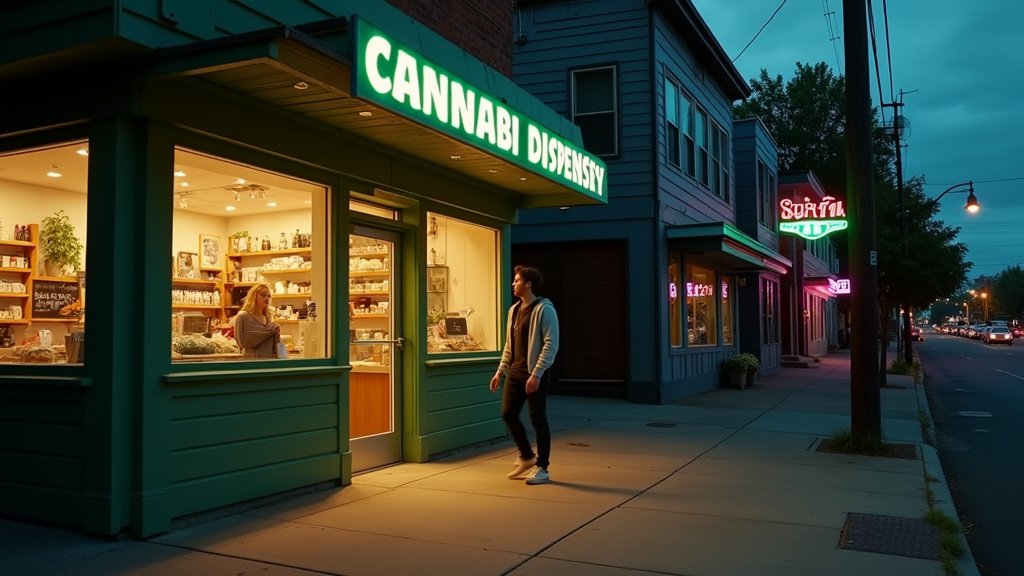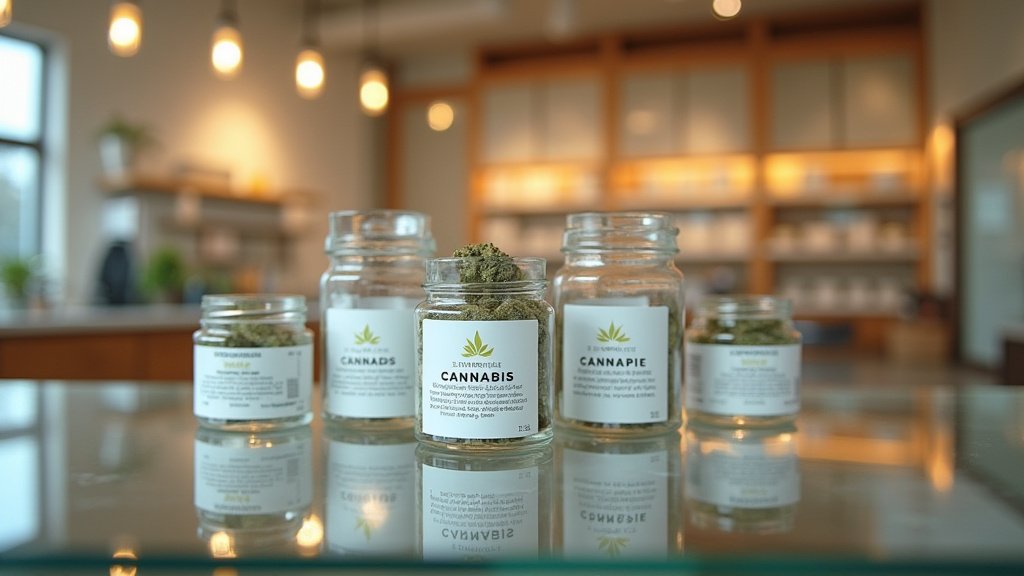
As the scientific understanding of cannabis continues to evolve, a pivotal new study from Washington State University (WSU) has shed light on the complex relationship between cannabinoids and stress management. While the research offers critical insights into the physiological mechanisms of stress relief, it also provides a unique, localized lens through which to view the volatile economics of the Oregon cannabis market. In 2025, the industry finds itself at a crossroads: while consumer demand for stress-relieving cannabis products remains steady, the supply side of the equation—characterized by record production levels—has triggered a sustained downward pressure on retail prices across the Pacific Northwest.
The WSU Study: Decoding Cannabis and Stress
The research conducted by Washington State University represents one of the most rigorous attempts to quantify the efficacy of cannabis as a tool for stress mitigation. By examining real-time consumer data, the study moves beyond anecdotal evidence to analyze the specific cannabinoids and terpenoid profiles that may contribute to perceived stress reduction. Researchers tracked participants’ subjective experiences of stress before and after product consumption, identifying key shifts in cortisol regulation and mood stabilization. These findings are essential not just for medical discourse, but for the commercial sector, as they help explain the persistent consumer demand that has maintained stable market participation even as the broader economy shifts.
The 2025 Oregon Market Paradox
While the scientific community focuses on the molecular benefits of the plant, the Oregon cannabis market is telling a different story—one of economic saturation. Data from 2025 indicates that the state has reached record production levels, a culmination of years of infrastructure investment, improved cultivation efficiencies, and a maturing regulatory environment led by the Oregon Liquor and Cannabis Commission (OLCC).
Paradoxically, this abundance has not led to a surge in market valuation. Instead, the inverse has occurred: high supply levels, paired with steady demand, have exerted significant downward pressure on retail prices. Consumers are currently benefiting from the most affordable prices seen in the legal market’s history, but this “price compression” presents a formidable challenge for cultivators and processors operating on thin margins. The market is effectively balancing the scientific promise of stress-relieving cannabis with the economic reality of a commodity market in overdrive.
Economic Impacts and Retail Dynamics
The retail landscape in Oregon is shifting rapidly. With wholesale prices dipping, retailers are finding it harder to maintain traditional margins. However, volume is acting as a stabilizer. The steady demand mentioned in the WSU study suggests that the product remains a consumer staple, preventing a total market collapse. Instead, we are seeing a transition toward value-oriented retail models.
Independent dispensaries are increasingly relying on the WSU-backed data to market products, emphasizing specific chemical compositions that offer targeted stress relief. By moving away from “catch-all” branding and toward science-backed, wellness-focused categories, retailers hope to create a moat around their pricing and preserve value in an environment where the raw material is becoming cheaper by the month. This shift is critical; as supply continues to outpace demand, only those brands that can effectively demonstrate product efficacy will survive the coming consolidation.
Future Predictions: Efficiency vs. Craft
Looking ahead, the tension between production and price will likely define the next phase of the Oregon cannabis industry. We anticipate that record production levels of 2025 will eventually stabilize as smaller, less efficient operations are squeezed out of the market. The survivors will likely be large-scale, automated facilities that have achieved the economies of scale necessary to thrive in a low-price environment, or boutique craft growers who successfully leverage the data from studies like the WSU project to command a premium for “purpose-driven” cannabis. The future of the industry lies in this data-backed segmentation: moving from a market where cannabis is sold as a generic product to one where it is treated as a highly specific, science-verified tool for stress management.
FAQ: People Also Ask
Q: How does the WSU study change the way we view cannabis for stress?
A: The WSU study provides a more empirical basis for stress relief claims by analyzing specific consumer behaviors and physiological responses, moving the conversation away from general usage toward targeted, strain-specific applications.
Q: Why are cannabis prices in Oregon dropping despite steady demand?
A: The primary driver is an oversupply issue. Record production levels achieved by Oregon growers in 2025 have outpaced the growth in consumer demand, leading to a surplus of inventory that forces retail prices downward.
Q: What is the outlook for Oregon cannabis producers in 2025?
A: The market is currently undergoing consolidation. Producers who cannot achieve significant economies of scale or differentiate their products through science-backed marketing will face increasing difficulty in maintaining profitability as price compression persists.