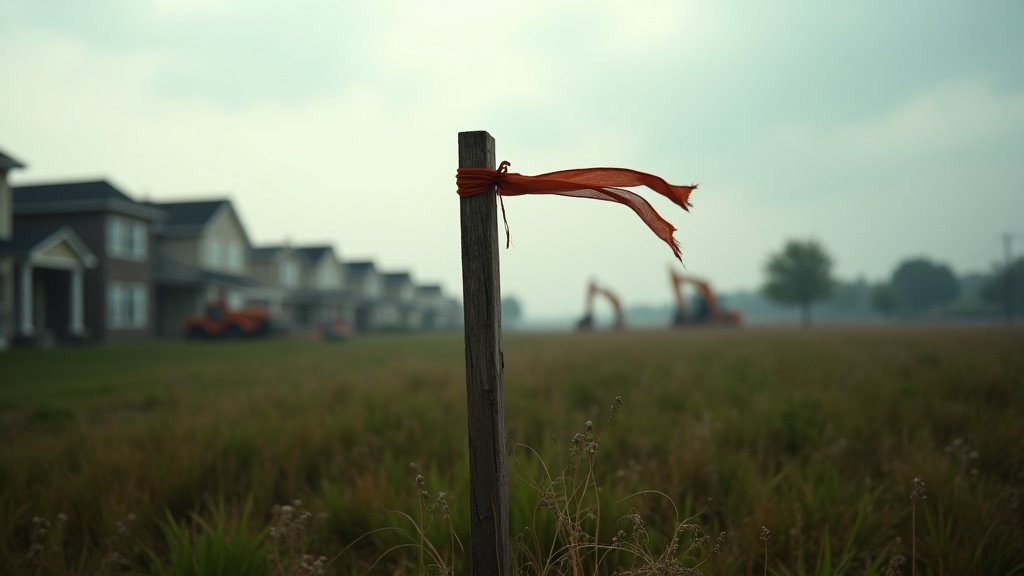
In a pivotal move to resolve one of the most contentious real estate sagas in Oregon, the West Linn-Wilsonville School District Board of Directors has unanimously voted to approve the sale of the 10-acre Oppenlander property to Lake Oswego-based developer Venture Properties. The agreement, finalized during the board’s meeting on Monday, April 20, 2026, secures a $7.925 million sale price, marking a significant milestone for the district as it seeks to monetize long-held surplus land to fund capital improvements, including new athletic infrastructure at Riverside High School.
Key Highlights
- Sale Approval: The school board voted unanimously to sell the 10-acre Oppenlander field to Venture Properties of Lake Oswego for $7.925 million.
- Development Path: The buyer, Venture Properties, intends to apply for a municipal subdivision and middle housing development, potentially altering the landscape of the long-standing community site.
- Resolution of Conflict: This transaction follows the collapse of a previous sales agreement with Icon Construction earlier this year, which failed due to geotechnical feasibility concerns and unexpected remediation costs.
- Long-Standing Saga: The property has been the subject of a years-long dispute between the school district and the City of West Linn, including a 2022 lawsuit regarding the valuation and future use of the land.
- Fiscal Strategy: The school district plans to utilize proceeds from this sale to support district-wide educational assets, with specific plans already earmarked for athletic field improvements elsewhere.
Unlocking the Future of Oppenlander: A Shift in Ownership
The approval of the sale to Venture Properties represents more than just a real estate transaction; it signifies the end of a turbulent period that has dominated headlines in the West Linn-Wilsonville School District for nearly half a decade. Originally purchased by the district in the 1970s and maintained as surplus land, Oppenlander field has served as a de facto park for local residents, creating a deep emotional and civic attachment that clashed with the district’s fiduciary responsibility to manage its assets effectively.
The Transition to Middle Housing
Unlike the previous attempt to develop the site, where the developer prioritized a mix of housing and sports fields, the arrival of Venture Properties signals a shift toward residential intensification. The current proposal—a middle housing development—aligns with broader statewide initiatives to increase density and affordability in suburban corridors. For the city of West Linn, this development represents a substantial change in land use for the Rosemont Road site.
Residents who once hoped for the preservation of the fields as a permanent, city-owned green space face the reality of a changing suburban landscape. The district’s victory in the 2022 lawsuit against the city regarding the appraisal and disposition of the property set the legal precedent that ultimately allowed this sale to proceed. The board has maintained that its mandate is to prioritize the financial health of the educational institution, which necessitates the liquidation of non-essential real estate holdings to bolster the budget for student-facing facilities.
Lessons from the Failed Icon Construction Deal
To understand the gravity of this new agreement, one must look at the immediate predecessor. Earlier this year, a deal with Icon Construction and Development fell through during the due diligence period. That failure was a cautionary tale for land development in the Pacific Northwest. Icon discovered, through geotechnical investigations, that the site—comprised of soft earth, clay, and legacy fill—presented significant remediation hurdles.
Icon’s withdrawal was driven by the realization that the cost to remediate the undocumented fill, estimated between $880,000 and $1.7 million, alongside the reality of lower housing yields than initially projected, made the project unviable at the agreed-upon price. The fact that Venture Properties has stepped in with a higher offer—$50,000 more than Icon’s original bid—suggests a different development strategy or a higher risk tolerance regarding the site’s topography. The market is watching closely to see how Venture navigates these same geological realities.
The Economic and Community Ripple Effect
From a macroeconomic perspective, the $7.925 million figure is a significant influx of capital for the school district. By converting a stagnant asset into liquid capital, the board is effectively prioritizing the modernization of student infrastructure over the maintenance of open land that the district does not technically utilize for educational purposes.
However, the community impact is undeniable. The loss of Oppenlander field as a recreational site is a poignant reminder of the tension between suburban growth and the preservation of “hidden” public spaces. While the city of West Linn previously expressed interest in purchasing the land, budgetary constraints prevented the city from meeting the district’s market-rate appraisal. This economic mismatch turned a municipal real estate transaction into a public discourse on the value of green space versus the necessity of housing development. As the due diligence period begins, the community remains in a state of watchful waiting, keen to see if any concessions for public park space will survive the transition to private development.
FAQ: People Also Ask
1. Why did the previous sale to Icon Construction fail?
The sale to Icon Construction fell through in early 2026 because the developer determined, during their due diligence phase, that the land was more challenging to build upon than initially anticipated. High costs associated with removing undocumented fill and lower-than-expected density potential rendered the project financially unfeasible for them.
2. What is Venture Properties planning to build on the site?
Venture Properties plans to apply for a subdivision and middle housing development. This typically includes a variety of residential units—such as townhomes, duplexes, or smaller single-family homes—designed to increase housing density in the area.
3. Will any part of Oppenlander field remain a park?
It is currently unclear if Venture Properties plans to include any public park land as part of their project. While previous developers (like Icon) had proposed keeping some of the area as a park with baseball fields, it has not been confirmed whether Venture will continue this approach or maximize the development footprint.
4. What will the school district do with the money from the sale?
The district has indicated that the proceeds from the sale are earmarked for capital improvement projects. Specifically, they have previously stated an intention to invest approximately $1.2 million of such proceeds into the construction of two new baseball or softball fields at the district’s Riverside High School, ensuring that the athletic utility lost at Oppenlander is replaced elsewhere.