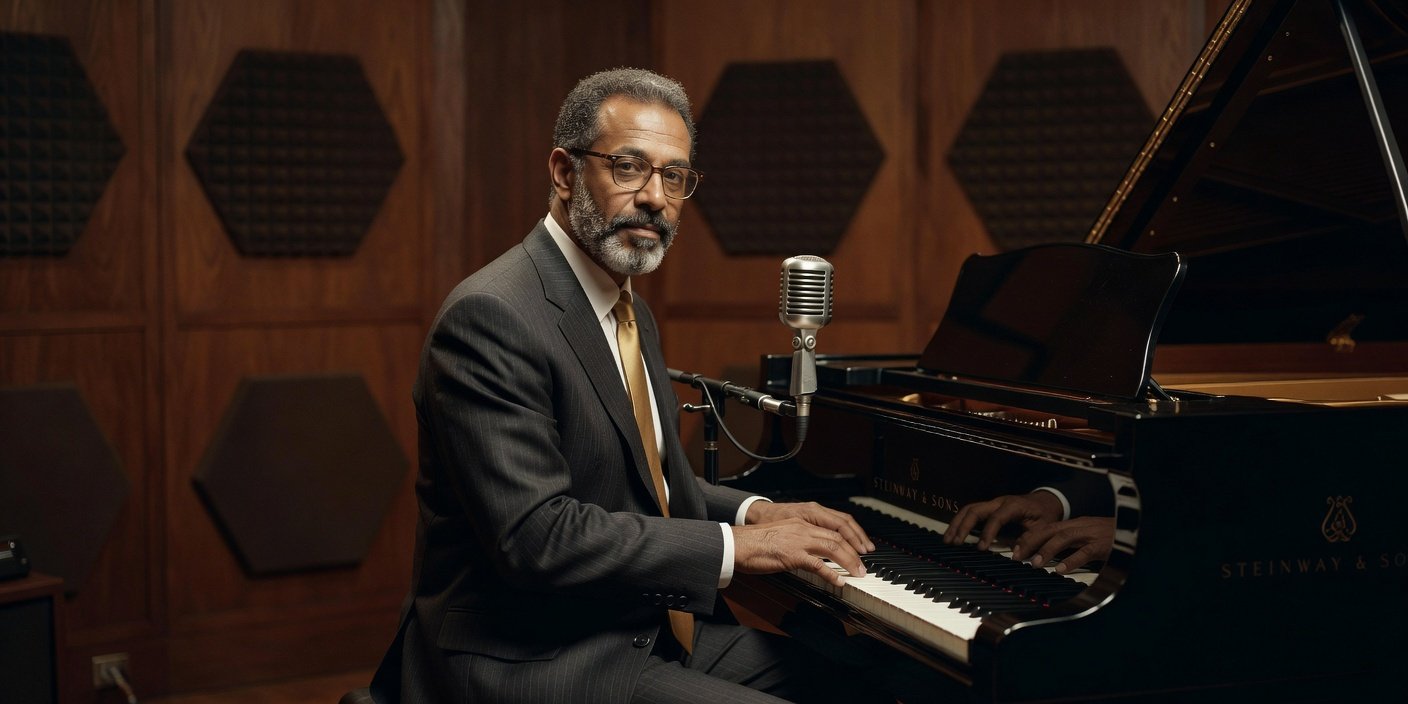
The jazz world has long celebrated Billy Childs for his uncanny ability to bridge the gap between complex chamber compositions and the raw, kinetic energy of post-bop improvisation. With his latest release, “One Fleeting Instant,” Childs offers a profound reminder of his foundational roots as a pianist. As the lead single from his highly anticipated album Triumvirate, this track arrives not merely as a new composition but as a statement of intent, signaling a rare and welcomed return to the trio format—a configuration he has largely stepped away from for a quarter-century to focus on his ambitious symphonic and quartet-based projects. The release serves as the cornerstone for Triumvirate, which features the masterful interplay of bassist Matt Penman and drummer Ari Hoenig, creating a dialogue that is as intimate as it is expansive.
The Anatomy of the Trio
For many jazz enthusiasts, the piano trio is the ultimate litmus test for a performer. It is an exposed, vulnerable space where the pianist cannot hide behind the textures of a larger ensemble. “One Fleeting Instant” captures this vulnerability with surgical precision. Childs, who has spent the last decade earning accolades for his quartet albums like The Winds of Change and Rebirth, approaches the trio format here with a refined maturity. The chemistry between Childs, Penman, and Hoenig is immediate, characterized by a shared intuition that allows the music to breathe in ways that larger ensembles rarely permit.
Hoenig’s drumming is particularly noteworthy; his ability to provide rhythmic complexity without overwhelming the melodic narrative allows Childs to explore the harmonic depth of the piece. Similarly, Penman’s bass work acts as the tether, grounding the composition while simultaneously pushing against the boundaries of the traditional rhythm section. This is not a return to a younger, more aggressive version of Billy Childs; it is an evolution of a veteran musician revisiting a format he mastered long ago, now imbued with the wisdom of his extensive classical and compositional career.
The Compositional Renaissance
Childs has always maintained a dual identity: the “swinging jazz pianist” and the “classical composer.” Triumvirate is the synthesis of these identities. While “One Fleeting Instant” leans into the lyrical, emotive qualities of a ballad, it is underpinned by the structural integrity that one would expect from a composer of Childs’ pedigree. The track unfolds with a logic that feels inevitable, yet it remains unpredictable—a hallmark of his best work.
Historically, Childs has been commissioned to write concertos and chamber music for some of the world’s most prestigious orchestras. Bringing that compositional rigor back to the trio format creates a “chamber jazz” sound that feels uniquely contemporary. He is not merely playing standards; he is curating a landscape where the piano, bass, and drums act as equal voices in a sophisticated conversation. This approach elevates the track beyond standard jazz fare, positioning it as a piece of art that demands focused listening. The track showcases his ability to layer harmonies that are lush and accessible, yet deeply rooted in the complex theoretical structures that define modern jazz.
Shaping the Future of Jazz
In an era where streaming algorithms often prioritize short, mood-based tracks, the emergence of a song like “One Fleeting Instant” feels like an act of defiance. It is a long-form expression of musicality that refuses to conform to the quick-hit culture of the modern industry. This release suggests that Childs is interested in legacy—not just in the sense of repeating past triumphs, but in building a body of work that evolves alongside the artist.
By engaging with the trio format at this stage in his career, Childs is effectively bridging the generational divide. He is reminding younger musicians that the power of jazz lies in the live interplay between human beings, not just the digital replication of a sound. The recording process for Triumvirate was conducted with a focus on capturing that live, breathing quality, which translates clearly through the speakers. For listeners who have followed his journey from the Windham Hill years through his Mack Avenue tenure, “One Fleeting Instant” is a poignant reminder that while the artist has traveled across vast musical continents, he still knows the way home to the piano trio.
The Secondary Angles of Influence
1. Pedagogical Impact: Childs has become a mentor to a new generation of musicians, and his return to the trio format is likely to reignite interest in the pedagogical importance of small-group improvisation. By demonstrating how to lead a trio with restraint and structural focus, he provides a blueprint for students looking to move beyond the “licks and tricks” approach to jazz improvisation.
2. Economic Resilience in Jazz: The decision to release a high-quality trio album on a major jazz label like Mack Avenue Records speaks to the ongoing viability of the “prestige jazz” market. Despite the challenges of the music industry, there is a clear, dedicated audience for high-fidelity, intellectually demanding music that labels continue to champion.
3. Genre Fluidity: The track exemplifies the ongoing erasure of boundaries between classical and jazz training. Childs serves as a primary case study for the modern musician who is fluent in both idioms, proving that such duality is not a distraction, but a vital asset that enhances the listener’s experience and broadens the genre’s appeal to crossover audiences.
FAQ: People Also Ask
1. Is ‘One Fleeting Instant’ available on all streaming platforms?
Yes, the track is currently available on all major streaming platforms, including Spotify, Apple Music, and Tidal, and acts as the lead single for the album Triumvirate.
2. Why is ‘Triumvirate’ considered a significant album in Billy Childs’ career?
It is his first trio album in 25 years. Throughout the last two decades, Childs has been largely focused on larger ensembles, chamber music, and quartet arrangements. Returning to the trio format allows him to strip away the density of his larger works and focus on the raw, interplay-driven sound that first defined his early career.
3. Who are the other musicians featured on the track?
The trio consists of Billy Childs on piano, Matt Penman on bass, and Ari Hoenig on drums. Both Penman and Hoenig are highly respected figures in the jazz scene, known for their versatility and collaborative experience.
4. How does this song compare to his recent Grammy-winning work?
While his previous records like The Winds of Change explored expansive, orchestrated jazz, Triumvirate and this single represent a pivot toward intimacy. It prioritizes the “three-way conversation” of the trio over the layered, dense textures of his recent quartet projects.