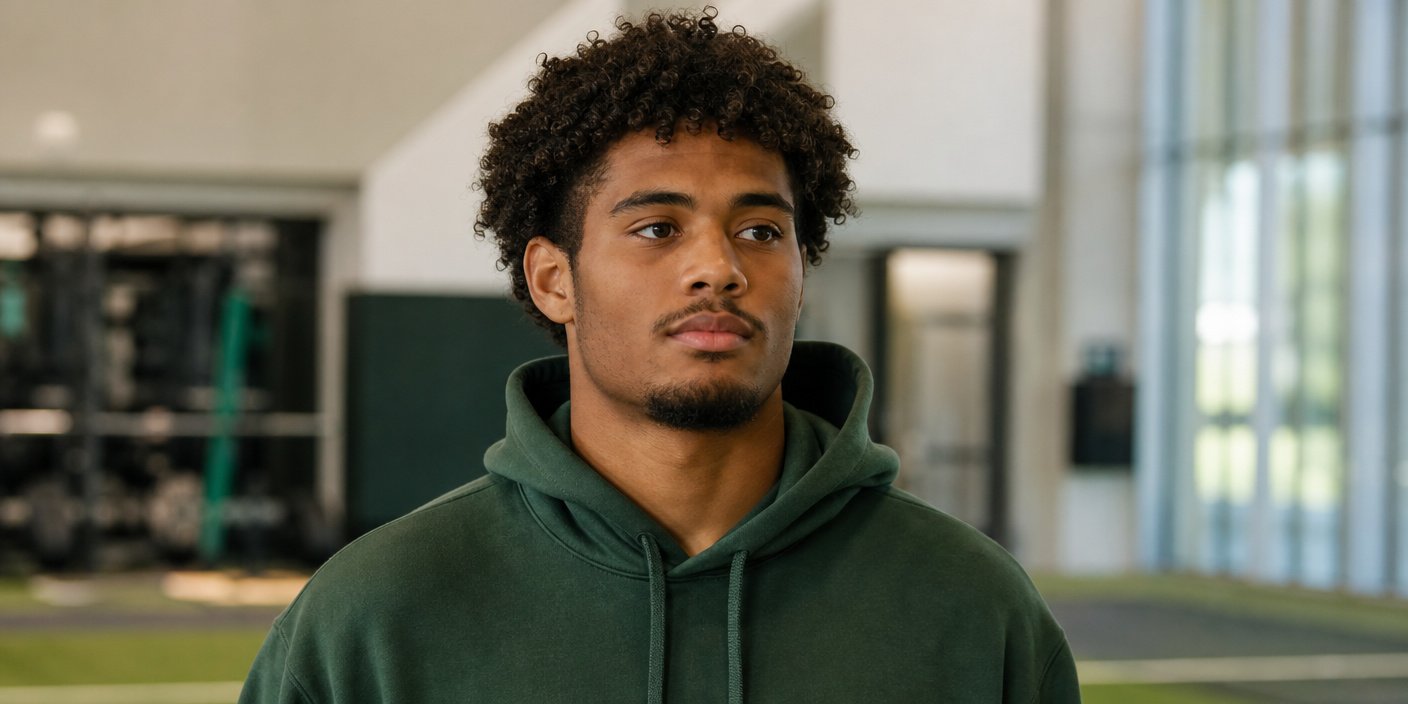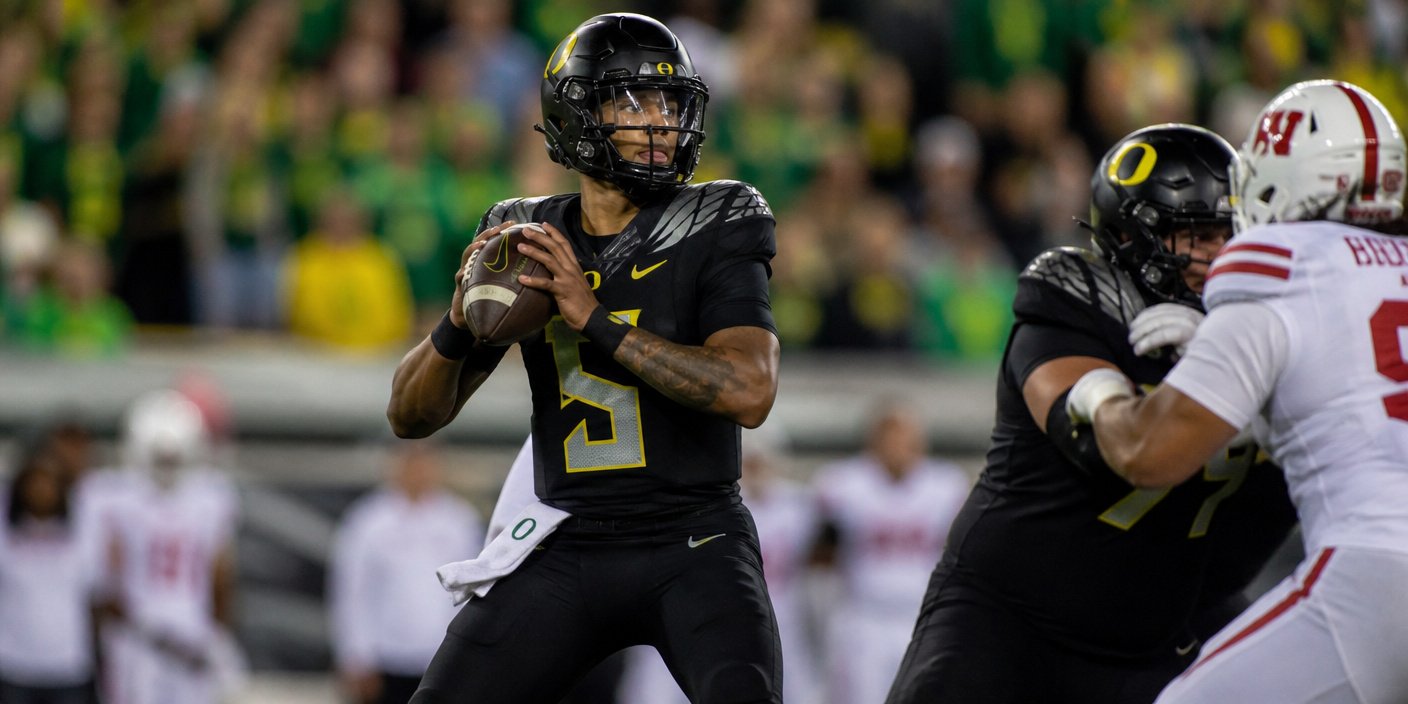
Oregon State baseball phenom Dax Whitney, the premier prospect for the 2027 MLB Draft, left his start against Hawaii on Friday with concerning arm “tightness,” leaving the Beavers’ pitching staff—and his massive fanbase—on high alert. The sophomore right-hander, who has been the cornerstone of the Beavers’ success this season, departed in the middle of the sixth inning, immediately prompting discussions about the fragility of elite collegiate arms. While the team secured a dominant 12-4 victory, the post-game narrative was entirely overshadowed by the health of their most valuable asset.
Key Highlights
- Dax Whitney exited his Friday start in the 6th inning following an 89-pitch outing against Hawaii.
- Beavers head coach Mitch Canham characterized the issue as “tightness,” refusing to speculate on a specific injury.
- Whitney is widely considered the top draft prospect for 2027, making any health concern a significant development for MLB scouts.
- Despite the exit, the No. 6 ranked Beavers successfully navigated the remainder of the game to win 12-4, improving their standing.
The Uncertain Status of a Rising Star
The immediate aftermath of Friday’s game at Goss Stadium was dominated by the absence of definitive news. In the world of college baseball, where the line between a minor muscle strain and a season-ending injury is razor-thin, the vagueness of the team’s medical update is as notable as the injury itself. Mitch Canham’s post-game press conference was a masterclass in coaching prudence, as he urged observers not to “make assumptions.” For fans and analysts, however, the silence is deafening. Whitney, an Idaho native who has rapidly ascended to become the face of Oregon State’s pitching rotation, has shown durability and elite-level control throughout his sophomore year. To see him walk off the mound before completing the inning suggests that the “tightness” was significant enough to cause hesitation—a red flag for any pitcher, particularly one with the velocity and workload that Whitney carries.
Analyzing the Impact: Why “Tightness” Spooks Coaches
“Tightness” is perhaps the most ambiguous term in modern sports medicine, yet it carries the most anxiety. In the context of collegiate pitching, where high-velocity demands are relentless, tightness in the throwing arm is rarely dismissed as trivial. It is the canary in the coal mine, often preceding structural damage such as ulnar collateral ligament (UCL) strains or flexor tendon issues. Coaches like Canham operate on a paradigm where protection is prioritized over a single win. Pulling a pitcher mid-at-bat, as Whitney was removed, signifies a recognition of distress that goes beyond simple fatigue. The medical staff at Oregon State faces the unenviable task of distinguishing between a temporary recovery issue and a chronic condition. For the Beavers, this is a calculated pause. They are not merely managing a player; they are managing a high-stakes investment in the program’s short-term postseason viability.
The Broader Context: A Stellar Sophomore Campaign
To understand why this development is a headline-grabbing event, one must look at the statistical profile Dax Whitney has built. With a 2.00 ERA over 63 innings and a staggering 104 strikeouts, he hasn’t just been an effective starter; he has been a dominant force in the NCAA. His performances against mid-major and high-profile opponents alike have solidified his status as the number one prospect for the 2027 MLB Draft. MLB organizations do not draft solely on talent; they draft on longevity. The history of collegiate baseball is littered with “can’t-miss” arms whose ceilings were permanently lowered by injuries sustained during their formative years. Whitney’s situation is now being monitored not just by Corvallis, but by scouting departments across the country. Every pitch he throws is an exercise in valuation, and Friday’s premature exit has introduced a variable of volatility into what was previously a smooth, upward trajectory.
Looking Ahead: What This Means for Oregon State’s Rotation
The immediate concern for the Oregon State Beavers is the schedule. As they progress through the season and look toward the regional tournament, the depth of the pitching rotation becomes critical. If Whitney is forced to miss time, the structural integrity of the Beavers’ pitching hierarchy will be tested. Coach Canham will likely lean on the depth of his bullpen and the versatility of his secondary starters to weather the storm. This creates a trial-by-fire scenario for the rest of the staff. However, the greater strategic question remains: how does the team balance its championship ambitions with the long-term health of its star? In the modern era of player-centric development, the answer increasingly favors caution. Even if Whitney is cleared to return quickly, his workload will undoubtedly be scrutinized with newfound intensity. The “tightness” of April could very well define the management strategy of May and June.
FAQ: People Also Ask
1. What exactly was the nature of Dax Whitney’s injury?
Currently, there is no official medical diagnosis. The team has described it as “tightness” in his throwing arm, and head coach Mitch Canham has urged fans and media not to jump to conclusions until further medical evaluation is complete.
2. Is Dax Whitney expected to miss the rest of the season?
It is too early to tell. There is no official timeline for his return, and the team is operating with extreme caution. His status will likely be updated once he undergoes standard medical screening.
3. How does this impact his status for the 2027 MLB Draft?
While scouts have already seen enough of Whitney’s talent to place him at the top of draft boards, a significant injury could impact his evaluation regarding his durability and long-term health. Organizations will monitor his recovery closely.
4. What are the Beavers’ options if Whitney is sidelined long-term?
Oregon State possesses a deep roster with reliable secondary starters and bullpen arms. The team would rely on collective pitching efforts and elevated roles for depth pitchers to cover the innings usually occupied by their ace.