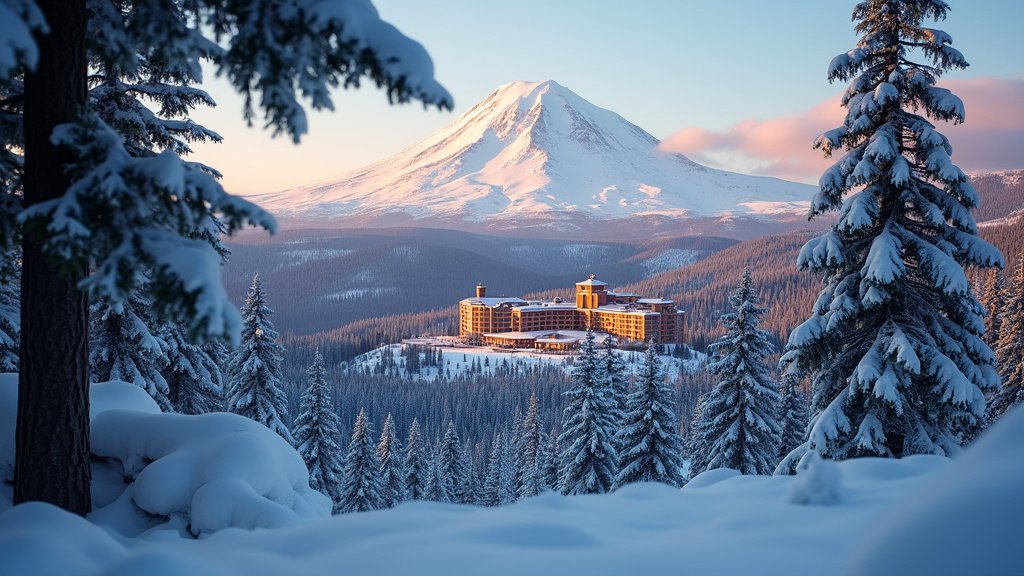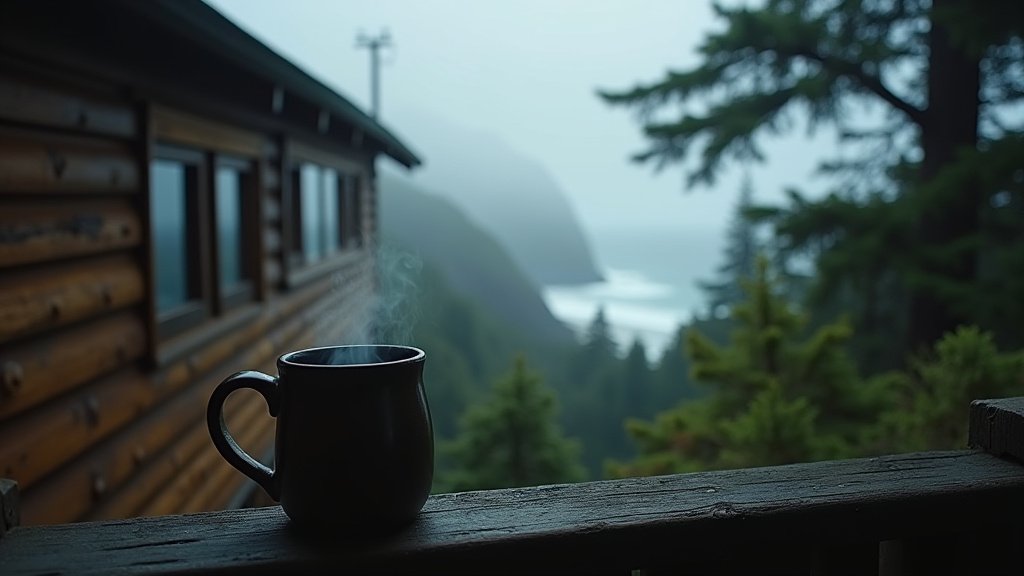
As the spring season hits its stride in April 2026, Oregon is undergoing a significant shift in its travel landscape, moving away from traditional sightseeing checklists toward more intentional, ‘milestone-driven’ experiences. Whether you are navigating the high-elevation volcanic terrain of the Cascades or seeking the solitude of the Pacific coast, the state’s tourism infrastructure is adapting to a new era of purposeful, sustainable exploration. Travelers this year are finding that the most rewarding journeys require a blend of meticulous planning and a willingness to embrace the quiet, unhurried pace of the Pacific Northwest.
Key Highlights
- Crater Lake Adjustments: The 2026 ‘Ride the Rim’ event has been officially cancelled due to major infrastructure and rehabilitation projects, including repairs to the East Rim Drive and Cleetwood Cove Trail.
- Klamath Falls Recognition: The city has been awarded the prestigious 2026 IMBA Trail Town designation, solidifying its status as a premier destination for mountain biking and sustainable outdoor recreation.
- The ‘Milestone’ Travel Trend: New research from AAA and Bread Financial indicates that over 75% of 2026 travelers are prioritizing trips tied to significant life events—birthdays, anniversaries, and reunions—rather than generic vacations.
- Spring Logistics: The Oregon Department of Transportation (ODOT) mandate for the removal of studded tires is now in effect as of April 1st, and late-season frost warnings remain active for high-elevation transit routes.
Navigating the Evolution of Oregon Tourism
The Pacific Northwest has long been a sanctuary for those seeking rugged beauty, but the current travel climate in Oregon is defined by a dichotomy: the pursuit of iconic, high-profile destinations and the rising desire for ‘quiet’ exploration. The state is currently recalibrating its approach to tourism, emphasizing quality of experience over the volume of visitors. For the seasoned traveler, this requires a deeper understanding of regional dynamics, ranging from the volcanic high desert to the salt-sprayed coastline.
The Shift to Intentional Travel
According to recent industry data from the Oregon Association of Independent Innkeepers and AAA, the post-pandemic ‘revenge travel’ frenzy has subsided, giving way to a more thoughtful approach. Visitors are no longer simply ‘checking boxes’ on a map. Instead, they are seeking what industry analysts call ‘Whycations’—trips that align with personal values, ancestral connections, or specific life milestones. This trend is particularly evident in Oregon’s smaller towns, where independent inns and bed-and-breakfasts are reporting higher demand than impersonal urban rentals. Travelers are looking for genuine hospitality, a sentiment reflected in the shift toward ‘slow tourism’—spending more time in one location to better understand its cultural and ecological fabric.
Infrastructure Realities: The Crater Lake Case
The recent announcement regarding Crater Lake National Park serves as a poignant reminder that Oregon’s natural majesty requires constant maintenance. The cancellation of the 2026 ‘Ride the Rim’ event, a staple for many cyclists, is not merely a scheduling change; it reflects the broader reality of managing world-class public lands. The extensive construction scheduled for East Rim Drive and the Cleetwood Cove Trail represents a necessary investment in the longevity of the park’s infrastructure. For travelers, this means the need to pivot. While the park remains open for sightseeing, visitors should anticipate limited access and adjust their itineraries to include secondary destinations like the nearby Klamath Falls region, which is currently enjoying a surge in prestige following its IMBA Trail Town designation.
Coastal Dynamics and High Desert Sustainability
While the volcanic regions deal with seasonal maintenance, Oregon’s coastal communities are facing a different set of challenges and opportunities. The emphasis has shifted toward sustainable accessibility. As vacation rental markets find equilibrium after the volatility of 2021–2023, the focus has tightened on single-family homes in established coastal hubs. This stability is attracting travelers who are wary of the ‘overcrowded hotspot’ phenomenon. Instead, they are finding refuge in the quieter, off-grid pockets of the coast, where the connection to the Pacific is felt most acutely. The interplay between the high desert—known for its ‘noctourism’ and stargazing opportunities in places like Prineville Reservoir—and the coastal fog creates a unique environmental dichotomy that keeps Oregon at the forefront of experiential travel.
The Future of Outdoor Recreation
Economic impacts of this tourism shift are becoming clearer. By investing in trail infrastructure and promoting ‘Electric Byways’ through the Columbia River Gorge, the state is actively shaping a travel economy that values the environment as much as the visitor experience. This approach is intended to mitigate the wear and tear associated with high-volume tourism, ensuring that the volcanic landscapes and pristine beaches remain viable for future generations. As we move through 2026, the success of this strategy will depend on the collaborative efforts of travelers, local governments, and the hospitality sector to maintain the balance between accessibility and preservation.
FAQ: People Also Ask
Is Crater Lake National Park completely closed for construction in 2026?
No, the park remains open to visitors, but significant construction projects, including road and trail rehabilitation, have resulted in the cancellation of the ‘Ride the Rim’ event for the 2026 season. Visitors should check the official NPS website for real-time traffic and access updates before arriving.
What are the current rules regarding studded tires in Oregon?
As of April 1, 2026, the use of studded tires is prohibited on Oregon roadways. Law enforcement officers may issue citations with a $165 fine for vehicles found in violation of this statute. Drivers are encouraged to use all-weather or traction tires if traveling in higher elevations where late-season snow or frost may still occur.
What is ‘Milestone Travel’ and why is it trending in Oregon?
‘Milestone Travel’ refers to trips planned around significant life events, such as family reunions, anniversaries, or birthdays. Data from AAA and other tourism agencies show that 2026 travelers are prioritizing these meaningful connections over traditional, generic sightseeing, choosing Oregon for its ability to provide intimate, high-quality, and ‘quiet’ experiences.
What should I look for when booking lodging in Oregon this year?
There is a notable trend toward ‘authentic’ lodging experiences, such as independent inns, bed-and-breakfasts, and unique cabin rentals that offer personal interaction with hosts. These accommodations are increasingly favored over impersonal, large-scale vacation rentals, as they align with the current desire for genuine, local hospitality.