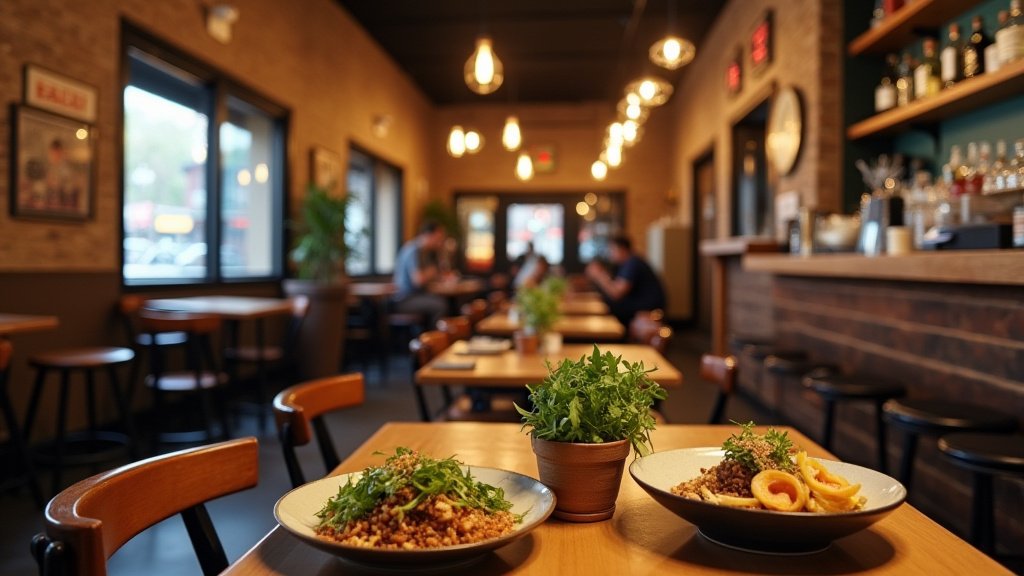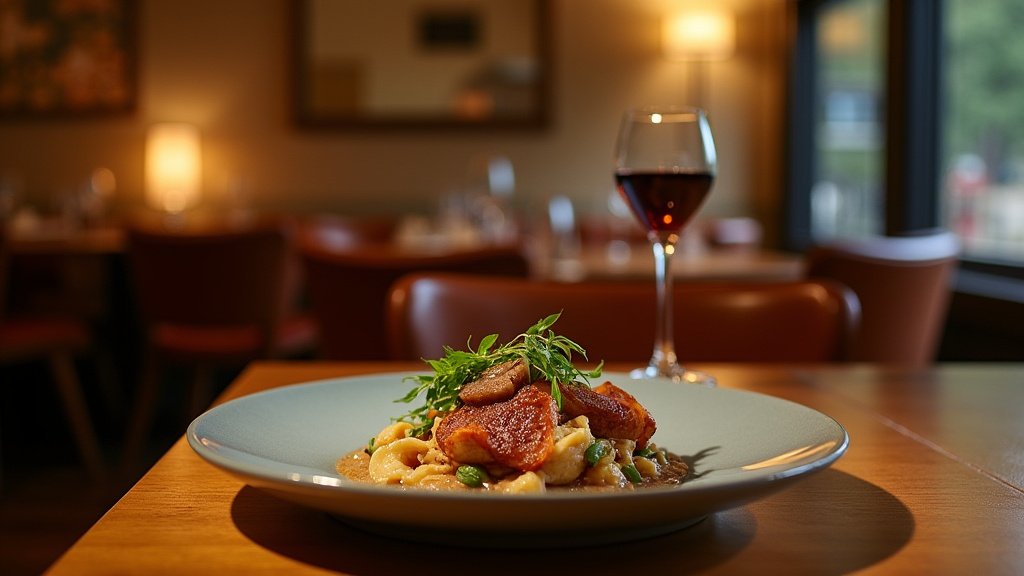
Tetherow Resort has officially transformed its culinary landscape by launching Coorie, a sophisticated new fine-dining destination in Bend, Oregon. Occupying the footprint formerly held by Solomon’s, Coorie introduces a “nesting” philosophy that aims to redefine luxury dining through hyper-local sourcing and an intimate, cozy atmosphere designed to resonate with both resort guests and the local community.
- Coorie replaces the outgoing restaurant Solomon’s at the Tetherow Resort property.
- The concept centers on the Scottish term “coorie,” emphasizing comfort, nesting, and intimate dining experiences.
- The culinary team prioritizes partnerships with Central Oregon’s agricultural community, sourcing seasonal ingredients from local ranchers and farmers.
- The venue is positioned as a premier upscale dining hub intended to elevate the High Desert’s hospitality offerings.
A Culinary Shift in the High Desert
The transformation of the space previously occupied by Solomon’s marks a strategic shift for Tetherow Resort. In the competitive landscape of Pacific Northwest hospitality, resorts are increasingly moving away from generic, high-volume dining toward experiences that offer specific, narrative-driven menus. Coorie represents this trend, opting for a brand identity that evokes the Scottish tradition of ‘coorie’—the act of nestling, cuddling, or seeking comfort in a warm space. By adopting this moniker, the resort is signaling a move toward a more curated, immersive dining experience that contrasts with the fast-paced, high-adventure reputation often associated with Bend.
The ‘Nesting’ Philosophy
At the heart of Coorie is the concept of ‘nesting’—creating a sanctuary where diners feel sheltered from the elements, particularly important given the high-desert climate of Central Oregon. This isn’t just a marketing pivot; it is a design and culinary ethos. The interior atmosphere is being recalibrated to foster intimacy, utilizing lighting, texture, and spacing to encourage long-form dining rather than quick, transient meals. This shift acknowledges the modern diner’s desire for ‘slow food’ and meaningful connections, moving the needle away from the traditional, stark hotel-restaurant model toward something warmer and more deeply integrated into the local environment.
Local Partnerships and Supply Chain Economics
One of the most critical aspects of Coorie’s business model is its aggressive commitment to Central Oregon sourcing. By collaborating directly with regional farmers and ranchers, Coorie is effectively strengthening the local food ecosystem. This farm-to-table approach serves two purposes: it ensures the highest quality of fresh, seasonal ingredients for the kitchen, and it solidifies the resort’s role as an economic engine for the surrounding agricultural community. For Bend, which has seen an explosion in tourism, this model helps distribute the economic benefits of hospitality beyond the immediate hotel property, creating a more sustainable and resilient local supply chain.
Evolving the Bend Dining Narrative
The departure of Solomon’s, while nostalgic for some, allows Tetherow to refresh its brand identity. In the hospitality industry, stagnation is the enemy of relevance. By introducing a new concept, Tetherow is not only catering to repeat luxury guests who are looking for fresh experiences but is also signaling to the local Bend population that the resort is a living, breathing part of the city’s culinary scene, not just an island for tourists. This integration is vital for the long-term viability of high-end resort dining. The success of Coorie will likely be measured by how well it balances its upscale expectations with the rugged, authentic spirit of the High Desert.
Future Predictions for the High Desert Market
Looking ahead, the success of Coorie may trigger a domino effect in the regional hospitality sector. We expect to see more resorts in Central Oregon abandon generic ‘American Grill’ concepts in favor of highly branded, niche experiences that tell a specific story. Whether it is through focused sourcing, cultural themes, or unique atmosphere design, the days of the ‘one-size-fits-all’ resort restaurant appear to be numbered. Coorie serves as a benchmark for this transition, and industry observers will be watching closely to see how the restaurant’s occupancy rates and critical reception evolve over the coming peak season.
FAQ: People Also Ask
Q: What does the name ‘Coorie’ mean?
A: ‘Coorie’ is a Scottish term that roughly translates to ‘nesting,’ ‘cuddling,’ or ‘snuggling.’ It encapsulates the restaurant’s goal of providing a warm, intimate, and comfortable dining experience, providing a retreat for guests.
Q: Is Coorie open to the general public, or is it only for resort guests?
A: Coorie is open to both Tetherow Resort guests and the general public, serving as a dining destination for the wider Bend community.
Q: What happened to Solomon’s restaurant?
A: Solomon’s was the previous restaurant concept at the Tetherow Resort space. It has been replaced by Coorie as part of the resort’s rebranding and refresh of its culinary offerings.
Q: What is the primary culinary focus of the new menu?
A: The menu emphasizes hyper-local sourcing, partnering with regional farmers and ranchers across Central Oregon to create seasonal dishes that reflect the High Desert’s agricultural bounty.