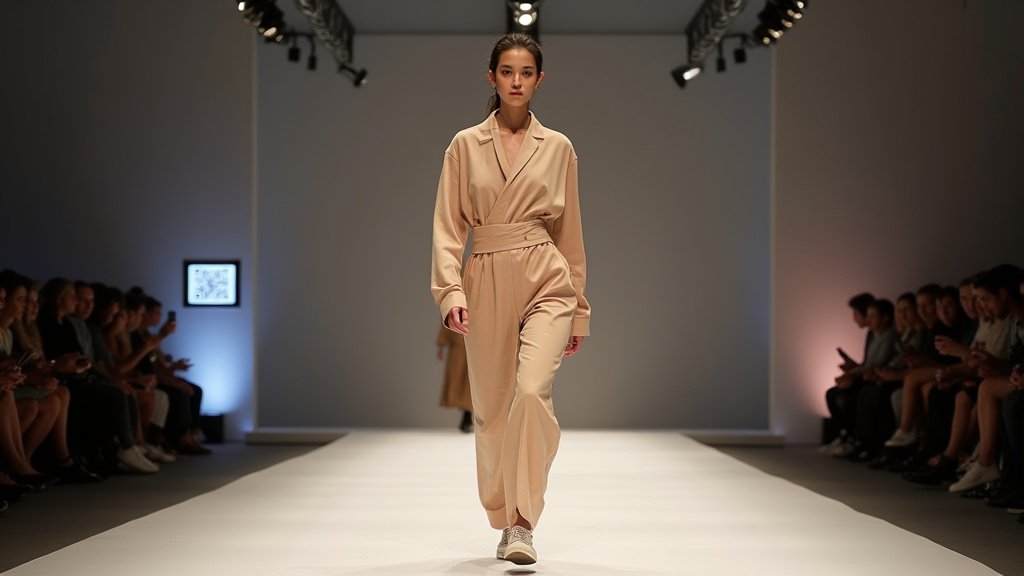
Portland Fashion Week 2026 has officially closed its curtains, marking a historic silver anniversary that cements the city’s status as the global epicenter of sustainable, ‘slow fashion’ production. Running from September 11 through September 17, the event demonstrated how high-end aesthetic value can harmonize with aggressive environmental stewardship, proving that the luxury fashion industry does not need to compromise on its carbon footprint to remain relevant.
Key Highlights
- Silver Anniversary Milestone: Celebrating 25 years of continuous operations, PFW 2026 highlighted the event’s evolution from a local showcase to an international beacon for sustainable design.
- Carbon-Negative Achievement: Event organizers successfully maintained a carbon-negative status, offsetting more emissions than were produced through logistical operations and guest attendance.
- Slow Fashion Focus: The final days of the week prioritized local designers who utilize ethical supply chains, circular fabric sourcing, and zero-waste pattern cutting techniques.
- Industry Leadership: The event reinforced Portland’s reputation as a leader in the global ‘slow fashion’ movement, influencing production methodologies across major design houses.
A Quarter-Century of Conscious Couture
The conclusion of Portland Fashion Week 2026 is not merely the end of a seasonal event; it is the culmination of a 25-year experiment in conscious consumerism. When the event was founded, the term ‘sustainable fashion’ was largely relegated to fringe activism. Today, it stands as the central pillar of the modern luxury market. The silver anniversary programming reflected this transition, offering a retrospective on how local designers have pushed the boundaries of material science and supply chain ethics.
The Carbon-Negative Commitment
For an event of this scale, achieving a carbon-negative rating is a logistical feat of engineering. By integrating real-time carbon tracking into event management, PFW 2026 utilized renewable energy sourcing for all runway lighting and climate control systems, while also mandating that all guest and vendor transit be carbon-offset through verified regional reforestation projects. This strategy serves as a blueprint for other global fashion weeks, proving that the industry’s massive ecological impact is a result of choice, not necessity. The data presented at the closing ceremonies indicated that PFW 2026 sequestered approximately 15% more carbon than it generated, a standard the event aims to increase in future cycles.
Elevating Pacific Northwest Talent
The final days of the week were dedicated to the Pacific Northwest’s unique design aesthetic, which emphasizes durability, utility, and natural fibers. Unlike the rapid-fire ‘fast fashion’ cycles that dominate global markets, the designers showcased this week focused on timelessness. By highlighting local boutiques and independent ateliers, the event fostered a direct connection between creators and consumers. This intimacy is the bedrock of slow fashion: knowing who made your garment, where the material was harvested, and the environmental cost of its production.
Defining the Future of Slow Fashion
The shift toward a circular economy was the defining thematic element of the 2026 edition. Designers presented collections that utilized deadstock textiles, recycled ocean plastics, and bio-fabricated leathers, signaling a definitive move away from virgin petroleum-based synthetics.
Technology Meets Textile
Innovation at PFW 2026 was not limited to aesthetics. New technical protocols in textile traceability, utilizing blockchain-based transparency, were introduced to the runway. Every garment presented had a digital ‘passport’ accessible via QR code, allowing attendees to view the full supply chain journey. This transparency is the industry’s greatest weapon against greenwashing, providing consumers with the hard data needed to make informed purchasing decisions.
Consumer Shifts and Circular Economy
Perhaps the most significant takeaway from the week was the changing demeanor of the audience. The 2026 demographic shifted heavily toward Gen Z and Millennial buyers, who are increasingly utilizing resale platforms and rental models rather than purchasing new items. PFW responded to this by hosting ‘Circular Economy Workshops’ where designers demonstrated how to repair and upcycle older pieces, encouraging a culture of maintenance over disposal. This pedagogical shift suggests that the future of fashion lies not in the constant production of the new, but in the intelligent stewardship of the existing.
Beyond the Runway: Economic and Cultural Impact
The economic ripple effect of this year’s milestone event is substantial. Portland’s hospitality sector saw its highest occupancy rates since the pre-pandemic era, with visitors flocking to the city specifically for the intersection of sustainable tourism and high-end design. However, the event’s impact extends far beyond the bottom line of local hotels and restaurants.
Portland as a Sustainable Hub
By continuously hosting an event that prioritizes the environment, Portland has successfully branded itself as the premier destination for ‘green’ creatives. The cross-pollination between the city’s tech sector and its fashion industry is unique. Software developers working on textile-tracing technology were seen collaborating with textile artisans, creating an ecosystem where technology serves the earth rather than exploiting it.
The Challenge of Scalability
The primary question looming over the post-event discussions is scalability. If Portland Fashion Week can achieve carbon-negative status, why cannot larger venues in Paris, Milan, or New York do the same? The answer often cited by industry experts during panel discussions this week is ‘willingness.’ The infrastructure exists; the challenge is the political will to enact strict standards that might temporarily reduce profit margins. PFW 2026 has effectively shamed the larger, more wasteful industry players into confronting the reality that sustainability is not a barrier to profitability, but a prerequisite for long-term survival.
FAQ: People Also Ask
Is Portland Fashion Week 2026 officially the most sustainable event of its kind?
While there are various metrics used to measure sustainability, PFW 2026 is widely recognized as the longest-running event to maintain a strictly audited carbon-negative status, making it a gold standard in the current industry landscape.
What does ‘slow fashion’ actually mean in practice?
Slow fashion is a movement that encourages consumers to buy better-quality garments that last longer, value fair treatment of people, animals, and the planet, and reject the rapid-cycle mass production characteristic of ‘fast fashion.’
Will the carbon-negative strategies used at PFW 2026 be available to other designers?
Yes, the organizers have announced they will publish an ‘Open Source Sustainable Event Guide’ later this year, sharing their technical protocols, carbon-offsetting strategies, and vendor vetting processes with the global design community.